Last Updated:** October 2024
Introduction: Why Retinol is the Gold Standard for Skin
Retinol remains the most scientifically proven anti-aging ingredient available without a prescription. With decades of research backing its effectiveness, retinol serums can reduce wrinkles by up to 50%, improve skin texture, fade hyperpigmentation, and even treat acne—making them the ultimate multi-tasking skincare investment.
But with hundreds of retinol serums on the market, how do you choose the right one? This comprehensive guide breaks down the best retinol serums for every skin type, concern, and budget. Whether you’re a complete beginner or looking to upgrade to a more potent formula, we’ve tested and researched the top options to help you find your perfect match.
What You’ll Learn:
- The 10 best retinol serums for different skin types and concerns
- How to choose the right retinol strength
- What to look for in a quality retinol serum
- How to use retinol without irritation
- Common mistakes to avoid
If you’re new to retinol, start with our retinol for beginners guide to understand the basics before diving into specific products.
What Makes a Great Retinol Serum?
Before reviewing specific products, let’s understand what separates exceptional retinol serums from mediocre ones.
Key Factors to Consider:
1. Retinol Concentration
- Beginner: 0.25-0.3% (gentle introduction)
- Intermediate: 0.5-0.75% (noticeable results)
- Advanced: 1-2% (maximum OTC strength)
2. Formulation Quality
- Stabilized retinol: Protected from light and air degradation according to the American Academy of Dermatology, proper retinol stabilization is crucial for effectiveness.
- Encapsulated delivery: Time-release technology reduces irritation
- Supporting ingredients: Hyaluronic acid, niacinamide, peptides enhance results
- pH-balanced: Proper pH ensures retinol remains active
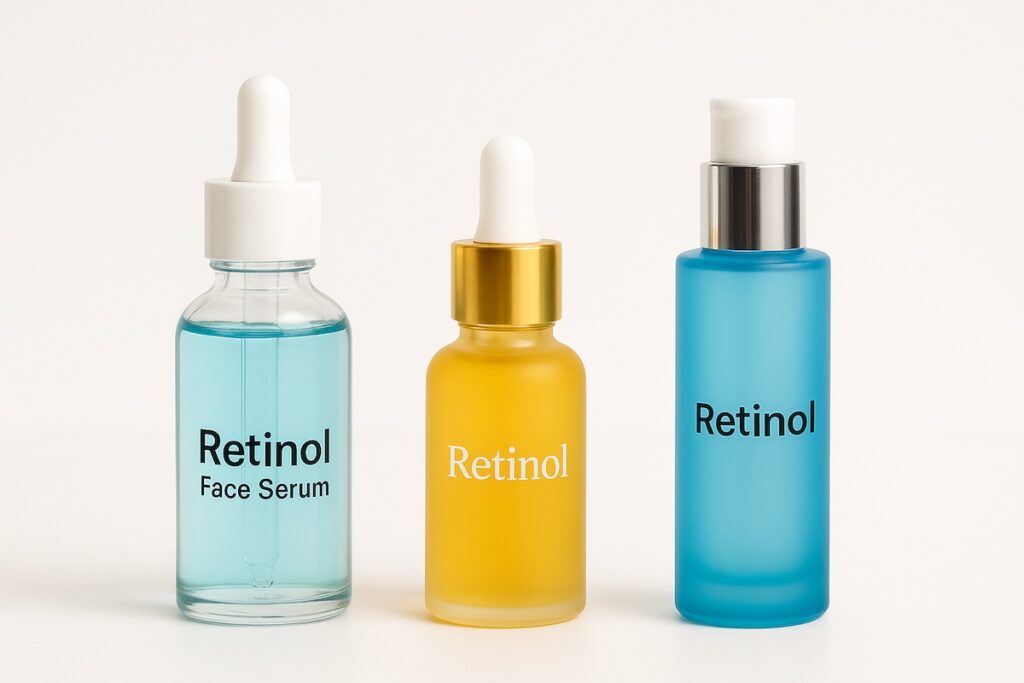
3. Packaging
- Airless pump bottles: Prevent oxidation
- Opaque or dark glass: Protect from light
- Avoid jars: Exposure to air degrades retinol quickly
4. Additional Benefits
- Hydrating ingredients: Combat retinol’s drying effects
- Antioxidants: Boost anti-aging benefits
- Soothing agents: Minimize irritation and redness
5. Price vs. Value
- Expensive doesn’t always mean better
- Look for active ingredient percentage and formulation quality
- Consider cost per ounce for best value
For a deeper understanding of how retinol compares to other anti-aging ingredients, read our complete anti-aging skincare guide.
The 10 Best Retinol Serums: Comprehensive Reviews
Best for Beginners: The Ordinary Retinol 0.2% in Squalane
Strength: 0.2% retinol (beginner-friendly)
Price: $7-8
Where to Buy: Sephora, Ulta, The Ordinary website
Best For: First-time retinol users, sensitive skin, gradual introduction
Why We Love It: This serum is the perfect entry point into retinol. The low concentration (0.25%) allows your skin to build tolerance gradually without the redness, peeling, or irritation that often discourages beginners. The encapsulated delivery system releases retinol slowly throughout the night, making it gentler than traditional retinol formulas.
The addition of hyaluronic acid provides crucial moisture to counteract any potential dryness, while the lightweight texture absorbs quickly without leaving residue. After 8-12 weeks of consistent use, users typically notice smoother texture, smaller pores, and a more even skin tone.
How to Use: Start by applying 2-3 nights per week, gradually increasing to nightly use over 4-6 weeks. Apply after cleansing and before moisturizer.
Pros:
- Minimal to no irritation
- Affordable price point
- Good for building retinol tolerance
- Pleasant lightweight texture
Cons:
- Results take longer (12+ weeks)
- May need to upgrade to stronger formula eventually
- Not potent enough for advanced users or deep wrinkles
Best Alternative: If you prefer natural retinol alternatives, check our comparison of retinol vs bakuchiol to see if bakuchiol might suit you better.
Best Overall: SkinCeuticals Retinol 0.5%
Strength: 0.5% pure retinol
Price: $88
Where to Buy: Dermstore, SkinCeuticals website, dermatologist offices
Best For: Most skin types, visible anti-aging results, clinical-grade quality
Why We Love It: This is the “Goldilocks” retinol serum—not too weak, not too strong, just right for most users. The 0.5% concentration is clinically proven to significantly reduce fine lines and wrinkles while remaining tolerable for most skin types.
The addition of peptides amplifies collagen production beyond what retinol alone achieves, while niacinamide soothes inflammation and strengthens the skin barrier—critical for preventing retinol-related irritation. The silky serum texture glides on smoothly and layers well under moisturizer.
Clinical studies show that 0.5% retinol formulas produce visible wrinkle reduction in as little as 4-6 weeks, with continued improvement over 3-6 months. This concentration strikes the perfect balance between effectiveness and tolerability.
How to Use: If new to retinol, start 2-3x weekly. Those with prior retinol experience can use nightly. Always follow with moisturizer and SPF during the day.
Pros:
- Proven concentration for visible results
- Well-formulated with supporting ingredients
- Suitable for most skin types
- Excellent packaging preserves product
Cons:
- Higher price point
- May still cause mild irritation initially
- Requires consistent SPF use
For more information on peptides, which work synergistically with retinol, see our peptides vs retinol comparison.
Best for Sensitive Skin: La Roche-Posay Retinol B3 Serum
Best for Sensitive Skin: La Roche-Posay Retinol B3 Serum
Strength: 0.3% pure retinol Price Range: $45-60 Best For: Sensitive, reactive, or rosacea-prone skin
Key Features:
- Low irritation formula with calming botanical extracts
- Contains ceramides to support skin barrier
- Bisabolol and allantoin reduce redness
- Fragrance-free and hypoallergenic
Why We Love It: Sensitive skin doesn’t have to miss out on retinol’s benefits. This thoughtfully formulated serum combines a moderate retinol concentration with a roster of soothing ingredients specifically chosen for reactive skin.
Ceramides reinforce the skin barrier—crucial for sensitive types who are more prone to compromised barrier function. Bisabolol (derived from chamomile) and allantoin calm inflammation and reduce redness, while the absence of potential irritants like fragrance, essential oils, and harsh preservatives minimizes adverse reactions.
Users with rosacea, eczema-prone skin, or general sensitivity report being able to use this serum without flare-ups, something rare with retinol products. The gentle approach means results appear more gradually, but consistently without the setbacks of irritation.
How to Use: Start once or twice weekly, monitoring skin’s response carefully. Increase frequency slowly over 8-12 weeks. Always buffer with moisturizer if needed.
Pros:
- Specifically formulated for sensitive skin
- Minimal risk of irritation or redness
- Barrier-supporting ingredients
- Clean, hypoallergenic formula
Cons:
- Lower concentration means slower results
- More expensive per unit of retinol
- May not be strong enough for advanced aging
Best Budget Option: Neutrogena Rapid Wrinkle Repair Regenerating Cream
Strength: Retinol SA (intermediate) Price Range: $15-25 Best For: Budget-conscious shoppers, testing retinol, effective basics
Key Features:
- Clinical-strength 0.5% retinol at drugstore prices
- Clean, straightforward formula
- Vegan and cruelty-free
- Large bottle size (1.5 oz)
Why We Love It: You don’t need to spend $100+ to get effective retinol. This no-frills serum delivers clinical-strength retinol at a fraction of the price of luxury brands. The formula is straightforward but effective—proof that good skincare doesn’t require a premium price tag.
While it lacks the elaborate supporting cast of expensive serums (no peptides, growth factors, or exotic botanicals), the core ingredient—stabilized retinol at 0.5%—works just as well as in pricier options. The lightweight, oil-free texture works for all skin types without greasiness.
The generous 1.5-ounce size means this affordable serum lasts longer than many luxury options, making the per-use cost even more attractive. This is an excellent choice for retinol beginners who want to test the ingredient before investing in premium products, or for anyone seeking effective, no-nonsense anti-aging on a budget.
How to Use: Apply 3-4 drops to clean face at night, 2-3x weekly initially. Increase to nightly use as tolerated. Follow with moisturizer.
Pros:
- Exceptional value for money
- Effective retinol concentration
- Simple, clean formula
- Large size lasts months
Cons:
- Basic packaging may degrade product faster
- No additional anti-aging ingredients
- Can be drying without proper moisturizer
- Less elegant texture than luxury options
Best for Mature Skin: RoC Retinol Correxion Deep Wrinkle Serum
Strength: High concentration retinol Price Range: $25-30 Best For: Experienced retinol users, significant aging concerns, deep wrinkles
Key Features:
- Maximum over-the-counter retinol concentration (1%)
- Fortified with growth factors and stem cell extracts
- Targets deep wrinkles and severe photoaging
- Luxurious, moisturizing base
Why We Love It: When you need serious anti-aging firepower, this potent serum delivers. At 1% retinol—the highest concentration available without a prescription—this formula is reserved for experienced users whose skin has built tolerance to lower strengths.
The addition of growth factors and plant stem cell extracts provides comprehensive cellular support, addressing not just wrinkles but also loss of firmness, uneven tone, and texture concerns common in mature skin. The rich, emollient base prevents the excessive dryness that can occur with high-strength retinol, making it suitable even for aging skin that tends toward dryness.
Clinical results show significant improvement in deep wrinkles, particularly around the eyes, mouth, and forehead, within 8-12 weeks. This is the closest you can get to prescription-strength tretinoin without a dermatologist visit.
How to Use: For experienced retinol users only. Begin with 2-3x weekly even if you’re used to retinol, as this concentration is significantly stronger. Gradually increase to 5-7x weekly if tolerated.
Pros:
- Maximum OTC strength for maximum results
- Comprehensive anti-aging ingredients
- Addresses deep wrinkles and severe aging
- Moisturizing base prevents excessive dryness
Cons:
- High price point
- Potential for significant irritation if misused
- Not suitable for beginners or sensitive skin
- Requires diligent sun protection
For comprehensive anti-aging strategies, see our guide on treating sagging skin.
Best for Acne-Prone Skin: Paula’s Choice 1% Retinol Treatment
Strength: 0.1% retinol (advanced) Price Range: $58 Best For: Acne, blackheads, large pores, oily skin
Key Features:
- Oil-free, non-comedogenic formula
- Contains salicylic acid for additional acne-fighting power
- Niacinamide reduces inflammation and regulates sebum
- Lightweight gel texture
Why We Love It: Retinol is one of the most effective treatments for acne, but many retinol serums are too heavy for oily, acne-prone skin. This specialized formula combines clinical-strength retinol with complementary acne-fighting ingredients in an ultra-lightweight, oil-free base.
The addition of salicylic acid (a beta-hydroxy acid) works synergistically with retinol to unclog pores, prevent blackheads, and reduce inflammatory acne. Niacinamide regulates sebum production—addressing one of acne’s root causes—while simultaneously calming redness and strengthening the skin barrier.
The gel texture absorbs immediately without leaving any greasy residue, making it perfect for those who typically avoid serums due to oiliness concerns. Beyond treating active acne, this serum helps fade post-acne marks and prevents future breakouts—a complete solution for problem skin.
How to Use: Start 2-3x weekly at night, as combining retinol with salicylic acid can be potent. If you use other acne treatments (like benzoyl peroxide), alternate nights to avoid over-exfoliation.
Pros:
- Dual action: anti-aging + acne treatment
- Lightweight, non-greasy texture
- Prevents and treats breakouts
- Reduces post-acne scarring
Cons:
- Can be too strong when combined with other actives
- May increase purging initially
- Not ideal for dry or dehydrated skin
- Requires careful layering with other treatments
Learn more about treating acne in our hormonal acne guide.
Best for Dry Skin: Olay Regenerist Retinol24 Night Serum
Strength: Retinol + Vitamin B3 Price Range: $35-40 Best For: Dry, dehydrated, or combination-dry skin types
Key Features:
- Rich, emollient base with squalane and ceramides
- Contains multiple weights of hyaluronic acid
- Time-release retinol minimizes moisture loss
- Nourishing without greasiness
Why We Love It: Dry skin often struggles with retinol because the ingredient can exacerbate dehydration and flaking. This innovative formula solves that problem by combining effective retinol with a deeply hydrating base that actually improves skin moisture levels.
Squalane—a lightweight but intensely moisturizing oil that mimics skin’s natural sebum—provides lasting hydration without clogging pores or feeling heavy. Multiple molecular weights of hyaluronic acid deliver moisture to different skin layers, while ceramides reinforce the skin barrier to prevent transepidermal water loss.
The time-release encapsulation technology means retinol is released gradually throughout the night, minimizing the irritation that can worsen when skin is already compromised by dryness. The result is all of retinol’s anti-aging benefits without the trademark tightness, flaking, or discomfort.
How to Use: Apply to clean, slightly damp skin (dampness helps hyaluronic acid work better). Follow with additional moisturizer if needed. Can be used nightly once skin acclimates.
Pros:
- Deeply hydrating formula
- Reduces retinol-related dryness
- Strengthens skin barrier
- Comfortable, nourishing texture
Cons:
- May be too rich for oily skin types
- Higher price point
- Takes longer to absorb than lightweight serums
- Not ideal for humid climates
For more on hydration, read our guide to hyaluronic acid for skin.
Best for Hyperpigmentation: Sunday Riley A+ High-Dose Retinoid Serum
Strength: 6.5% retinoid ester blend Price Range: $85 Best For: Dark spots, melasma, uneven skin tone, sun damage
Where to Buy:Sephora, Sunday Riley website
Key Features:
- Combines retinol with vitamin C and kojic acid
- Targets multiple pigmentation pathways
- Contains licorice root extract and niacinamide
- Designed for comprehensive brightening
Why We Love It: Hyperpigmentation requires a multi-pronged approach, and this serum delivers by combining retinol with complementary brightening ingredients. Retinol accelerates cell turnover, bringing fresh, evenly pigmented cells to the surface faster while fading existing dark spots.
Vitamin C provides powerful antioxidant protection and inhibits melanin production, while kojic acid targets age spots and sun damage specifically. Licorice root extract and niacinamide work through different mechanisms to brighten and even skin tone, creating a synergistic effect more powerful than any single ingredient alone.
Users report visible improvement in dark spots, melasma, and overall skin brightness within 6-8 weeks, with continued fading over several months. The lightweight serum layers beautifully under sunscreen—essential when treating pigmentation.
How to Use: Apply at night only, as vitamin C in the formula can degrade with sun exposure. Follow with a broad-spectrum SPF 50 during the day (non-negotiable when treating pigmentation).
Pros:
- Comprehensive brightening ingredients
- Effective for stubborn dark spots
- Suitable for all skin tones
- Addresses multiple types of discoloration
Cons:
- Must be diligent with sun protection
- Can cause initial darkening before improvement
- Expensive for ongoing use
- May not work on very deep pigmentation alone
For more brightening strategies, see our article on vitamin C for skin.
Best Natural Formula: Biossance Squalane + Phyto-Retinol Serum
Strength: 0.5% bakuchiol (retinol alternative) Price Range: $62 Best For: Clean beauty enthusiasts, pregnancy alternative seekers, synthetic-free preference
Where to Buy: Sephora, Biossance website
Key Features:
- Plant-based retinol alternative (retinol from sustainable sources)
- Organic botanical extracts
- Free from parabens, sulfates, synthetic fragrance
- Vegan and cruelty-free certified
Why We Love It: For those committed to clean, natural beauty, finding effective retinol can be challenging. This serum bridges the gap between efficacy and clean formulation, using sustainably sourced retinol and supporting it with potent botanical extracts.
While the retinol concentration is moderate (0.3%), the formula maximizes effectiveness through complementary plant actives. Sea buckthorn, rosehip oil, and green tea extract provide additional antioxidant support, while aloe and chamomile soothe and calm.
The formula is particularly appealing to those avoiding synthetic ingredients, though it’s important to note that even “natural” retinol should not be used during pregnancy. For truly pregnancy-safe alternatives, bakuchiol is a better choice.
How to Use: Apply nightly to clean skin. The botanical ingredients make this suitable for daily use even for those new to retinol, though starting gradually is still recommended.
Pros:
- Clean, natural formulation
- Environmentally conscious sourcing
- Gentle but effective
- Pleasant botanical scent from natural ingredients
Cons:
- Lower retinol concentration
- More expensive per unit of retinol
- Still not pregnancy-safe despite being natural
- Results appear more slowly
Explore natural skincare further in our guide to natural skincare.
Best Prescription-Strength Alternative: SkinCeuticals Retinol 1.0
Strength: 1.0% retinol (very high) Strength:** 1.0% pure retinol
Price: $110-115
Best For: Very experienced users, severe aging, near-prescription results
Where to Buy: Dermatologist offices, SkinCeuticals authorized retailers, Dermstore
Key Features:
- Exceptional 2% retinol concentration
- Physician-developed formula
- Contains DNA repair enzymes and peptides
- Suitable only for highly tolerant skin
Why We Love It: This pharmaceutical-grade serum pushes the boundaries of what’s possible with over-the-counter retinol. At 2% concentration, it rivals prescription tretinoin in potency, offering dramatic results for severe photoaging, deep wrinkles, and significant sun damage.
The addition of DNA repair enzymes helps reverse cellular damage while retinol works on the surface, creating comprehensive age-reversal. Advanced peptide technology stimulates collagen production from multiple pathways, maximizing firmness and elasticity improvements.
This is not a serum for casual users or those seeking gentle anti-aging. It’s a serious treatment that requires commitment, gradual introduction, and diligent sun protection. However, for those who’ve “graduated” through lower strengths and want maximum results without a prescription, nothing else on the market compares.
How to Use: Even experienced retinol users should start 1-2x weekly with this potent formula. Build tolerance slowly over 3-4 months before attempting nightly use. Buffer with moisturizer if needed.
Pros:
- Near-prescription strength results
- Comprehensive anti-aging ingredients
- Addresses severe aging concerns
- Visible transformation possible
Cons:
- Very high price point
- Significant irritation risk if misused
- Not suitable for most users
- Requires medical-grade sun protection
How to Choose the Right Retinol Serum for You
With so many excellent options, selecting the perfect retinol serum depends on several factors:
Consider Your Skin Type:
Sensitive Skin:
- Start with 0.25-0.3% concentration
- Look for calming ingredients (bisabolol, allantoin, ceramides)
- Choose time-release or encapsulated formulas
- Recommended: Sensitive Skin Formula above
Dry Skin:
- Select serums with hydrating ingredients (hyaluronic acid, squalane)
- Rich, emollient textures work better
- Avoid alcohol-heavy formulas
- Recommended: Hydrating Retinol Treatment above
Oily/Acne-Prone:
- Lightweight, oil-free gel textures
- Look for complementary acne fighters (salicylic acid, niacinamide)
- Non-comedogenic formulas only
- Recommended: Clear Skin Retinol above
Mature/Aging:
- Higher concentrations (0.75-1%+)
- Look for additional anti-aging ingredients (peptides, growth factors)
- Richer formulas often work better
- Recommended: Advanced Retinol Complex above
Combination Skin:
- Medium concentration (0.5%)
- Balanced texture—not too heavy or too light
- Well-rounded formulation
- Recommended: Clinical Retinol Complex above
Match Your Experience Level:
Beginner:
- 0.25-0.3% retinol maximum
- Use 2-3x weekly initially
- Expect 12+ weeks for visible results
- Focus on building tolerance
Intermediate:
- 0.5-0.75% retinol
- Can use 5-7x weekly
- Results in 6-8 weeks
- Can layer with other actives carefully
Advanced:
- 1-2% retinol
- Nightly use tolerated
- Results in 4-6 weeks
- May consider prescription alternatives
Address Your Primary Concern:
Fine Lines & Wrinkles: Focus on concentration and peptides Acne & Breakouts: Look for oil-free with salicylic acid or niacinamide Hyperpigmentation: Seek brightening ingredients (vitamin C, kojic acid) Loss of Firmness: Choose formulas with peptides and growth factors Overall Anti-Aging: Well-rounded formula with multiple actives
Set Your Budget:
Under $30: Budget options can be effective—check ingredient list $30-60: Sweet spot for quality formulations $60-100: Premium formulas with advanced ingredients $100+: Luxury or near-prescription strength options
For more guidance on building an effective routine, see our anti-aging skincare routine guide.
How to Use Retinol Serums for Best Results
Even the best retinol serum won’t work if used incorrectly. Follow these guidelines for optimal results:
The Golden Rules:
1. Start Slowly
- Week 1-2: Apply 1x weekly
- Week 3-4: Apply 2x weekly
- Week 5-8: Apply 3x weekly
- Week 9+: Increase to nightly if tolerated
2. Apply Correctly
- Cleanse thoroughly and pat dry
- Wait 15-20 minutes (retinol works best on completely dry skin)
- Apply 3-4 drops to entire face
- Wait another 10-15 minutes
- Apply moisturizer
- Morning: Apply SPF 30-50 (non-negotiable!)
3. Manage Expectations
- Week 1-4: May see no results (building tolerance)
- Week 4-8: Skin texture begins improving
- Week 8-12: Fine lines start softening
- Week 12-16: Noticeable wrinkle reduction
- Month 6+: Maximum results achieved
4. Handle Side Effects
- Mild flaking is normal—don’t stop using
- Redness after application typically subsides in 30-60 minutes
- If severe irritation occurs, reduce frequency or concentration
- “Retinol ugly” phase (purging, peeling) usually resolves in 2-4 weeks
5. What NOT to Do
- Don’t use vitamin C and retinol together (use vitamin C in AM, retinol in PM)
- Don’t combine with other strong actives initially (AHAs, BHAs)
- Don’t skip sunscreen ever (retinol increases sun sensitivity)
- Don’t apply to wet skin (increases penetration and irritation)
- Don’t use retinol if pregnant or breastfeeding
Layering Retinol in Your Routine:
Evening Routine:
- Oil cleanser (if wearing makeup/sunscreen)
- Water-based cleanser
- Wait 15-20 minutes
- Retinol serum
- Wait 10-15 minutes
- Hydrating serum (hyaluronic acid)
- Moisturizer
- Face oil (optional, for very dry skin)
Morning Routine:
- Gentle cleanser
- Vitamin C serum (optional)
- Hydrating serum
- Moisturizer
- SPF 30-50 (mandatory!)
Boosting Results:
Complement with:
- Vitamin C (morning): Antioxidant protection enhances retinol’s benefits
- Niacinamide: Strengthens barrier, reduces irritation
- Peptides: Additional collagen support
- Hyaluronic acid: Hydration prevents retinol dryness
Avoid combining with:
- Benzoyl peroxide (deactivates retinol)
- AHAs/BHAs (too irritating when starting)
- High-strength vitamin C (pH conflict)
For more on combining ingredients effectively, read about peptides for wrinkles.
Common Retinol Mistakes to Avoid
Mistake #1: Starting Too Strong Many people jump to 1% retinol immediately, experience severe irritation, and quit. Start low (0.25-0.3%) and build up.
Mistake #2: Using Too Much Product More is not better with retinol. A pea-sized amount (3-4 drops) for the entire face is sufficient.
Mistake #3: Applying to Wet Skin Water increases penetration, which sounds good but dramatically increases irritation risk. Always apply to completely dry skin.
Mistake #4: Forgetting Sun Protection Retinol increases sun sensitivity. Skipping SPF leads to sun damage that counteracts all retinol benefits.
Mistake #5: Giving Up Too Soon Retinol results take time. Most people quit during the “retinol uglies” phase (weeks 2-4) right before seeing benefits.
Mistake #6: Using Expired or Oxidized Product Retinol degrades quickly when exposed to light and air. If your serum turns yellow or orange, it’s oxidized—toss it.
Mistake #7: Applying to Irritated Skin Never apply retinol to sunburned, windburned, or otherwise compromised skin. Wait until skin fully heals.
Mistake #8: Combining with Too Many Actives Layering retinol, vitamin C, AHAs, and BHAs all at once is a recipe for disaster. Introduce one active at a time.
Retinol Serums vs. Prescription Tretinoin
When OTC Retinol is Sufficient:
- Fine lines and early wrinkles
- Preventative anti-aging (20s-30s)
- Mild to moderate acne
- Texture improvement
- Gentle, gradual results preferred
When to Consider Prescription Tretinoin:
- Deep wrinkles and severe photoaging
- Stubborn acne that hasn’t responded to OTC treatments
- Significant hyperpigmentation
- Faster, more dramatic results needed
- Under dermatologist supervision
Key Differences:
- Strength: Tretinoin is 20-100x more potent
- Results: Faster with tretinoin (4-8 weeks vs. 12-16 weeks)
- Irritation: Much higher with tretinoin
- Cost: Prescription required, may have insurance coverage
- Regulation: Tretinoin is FDA-approved for acne and photoaging
Many people successfully use OTC retinol for years without needing prescription strength. Start with OTC options and upgrade to prescription only if results plateau.
Retinol Alternatives Worth Considering
If retinol doesn’t work for your skin, several alternatives provide similar benefits:
Bakuchiol
- Plant-based retinol alternative
- Gentler with comparable results
- Can be used during pregnancy (consult doctor first)
- Learn more: Retinol vs Bakuchiol comparison
Peptides
- Stimulate collagen without irritation
- Excellent for sensitive skin
- Can be combined with retinol
- Read more: Peptides vs Retinol
Vitamin C
- Powerful antioxidant
- Brightening and firming effects
- Use in morning, retinol at night
- Discover benefits: Vitamin C for skin
AHAs (Glycolic, Lactic Acid)
- Chemical exfoliation improves texture
- Less dramatic wrinkle reduction than retinol
- Can complement retinol use
- More info: Glycolic acid for skin
Frequently Asked Questions
Q: How long does it take to see results from retinol serums? A: Most people notice texture improvements in 4-8 weeks, with significant wrinkle reduction appearing after 12-16 weeks of consistent use. Maximum results typically occur around the 6-month mark. Patience is essential—retinol works at the cellular level, and these changes take time.
Q: Can I use retinol if I have sensitive skin? A: Yes, but choose low concentrations (0.25-0.3%), time-release formulas, and products with soothing ingredients. Start with once-weekly application and build tolerance gradually. Many people with sensitive skin successfully use retinol with proper precautions.
Q: Should I use retinol every night? A: Not necessarily. Many people achieve excellent results using retinol 3-5 nights per week. Nightly use is fine if your skin tolerates it, but it’s not required for effectiveness. Listen to your skin and adjust frequency as needed.
Q: Can I use retinol during the day? A: While not harmful, retinol is most effective at night when skin is in repair mode. More importantly, retinol increases sun sensitivity, making sun protection crucial. Most dermatologists recommend nighttime use only.
Q: What’s the difference between retinol, retinoid, and tretinoin? A: Retinoid is the umbrella term for all vitamin A derivatives. Retinol is an over-the-counter retinoid that converts to retinoic acid in skin. Tretinoin (Retin-A) is prescription-strength retinoic acid—the most potent form. All provide similar benefits, but potency and irritation potential increase with strength.
Q: Can I use retinol with other skincare ingredients? A: Yes, but timing matters. Retinol pairs well with hyaluronic acid, niacinamide, ceramides, and peptides. Avoid using with vitamin C, benzoyl peroxide, or AHAs/BHAs initially. Once your skin builds tolerance (3-4 months), you can carefully introduce other actives on alternate nights.
Q: Why is my skin peeling with retinol? A: Peeling is a common initial side effect as retinol accelerates cell turnover. This “retinol ugly” phase typically lasts 2-4 weeks. Continue using retinol but reduce frequency if needed. Increase moisturizer use and never pick at peeling skin. This phase is temporary and indicates the product is working.
Q: Can pregnant or breastfeeding women use retinol? A: No. Retinol and all vitamin A derivatives should be avoided during pregnancy and breastfeeding. The American College of Obstetricians and Gynecologists recommends avoiding these ingredients due to potential risks. Consider pregnancy-safe alternatives like bakuchiol, azelaic acid, or vitamin C instead. Always consult your doctor before using any active ingredients during pregnancy.
Q: How should I store retinol serum? A: Store in a cool, dark place away from direct sunlight and heat. Keep the bottle tightly sealed to prevent air exposure. Some people refrigerate retinol serums for extended shelf life, though this isn’t necessary with properly packaged products. Replace every 6-12 months or if the product changes color.
Q: Can retinol help with acne? A: Absolutely. Retinol is one of the most effective treatments for acne. It unclogs pores, reduces oil production, prevents new breakouts, and fades post-acne marks. For acne-prone skin, look for oil-free formulas and consider options that combine retinol with acne-fighting ingredients like salicylic acid or niacinamide.
Final Thoughts: Finding Your Perfect Retinol Serum
Retinol remains the gold standard in anti-aging skincare for good reason—decades of research prove its effectiveness in reducing wrinkles, improving texture, fading pigmentation, and treating acne. The key to success lies in choosing the right formula for your skin type and using it correctly.
Remember:
- Start with a low concentration and build tolerance gradually
- Consistency is more important than strength
- Sun protection is non-negotiable
- Results take time—stick with it for at least 12 weeks
- One person’s holy grail may irritate another—what matters is finding your match
Whether you choose a gentle beginner formula or a maximum-strength powerhouse, the best retinol serum is the one you’ll use consistently. Start where you are, be patient with the process, and trust that the proven science behind retinol will deliver results.
For more comprehensive anti-aging strategies, explore our complete anti-aging skincare guide and discover how to build a routine that works synergistically for maximum results.
Ready to Start Your Retinol Journey?
Choose your ideal retinol serum from our top picks above and commit to at least 12 weeks of consistent use. Your future skin will thank you.
Need More Help?
- New to retinol? Start here: Retinol for Beginners
- Building a routine? Read: Anti-Aging Skincare Routine
- Comparing ingredients? Check: Skincare Ingredients for Skin Tightening
About Vivant Beauty
At Vivant Beauty, we provide honest, science-backed skincare advice to help you make informed decisions about your skin health. All product recommendations are based on ingredient research, dermatological evidence, and user reviews—never paid promotions.
Explore more expert skincare guides at VivantBeauty.com.
Disclaimer: This article is for informational purposes only and does not constitute medical advice. Always patch test new products and consult a dermatologist for personalized skincare recommendations, especially if you have skin conditions or sensitivities.
Last Updated:** October 2024
References & Sources
This article is based on peer-reviewed research and expert guidance from leading dermatological organizations:
- National Institutes of Health (NIH) – Clinical evidence on retinoid efficacy in treating photoaged skin
https://www.ncbi.nlm.nih.gov/pmc/articles/PMC2699641/ - American Academy of Dermatology (AAD) – Professional guidelines on retinoid use and sun protection
https://www.aad.org/public/everyday-care/skin-care-secrets/anti-aging/retinoid-cream - Mayo Clinic – Evidence-based information on wrinkle treatments and retinol effectiveness
https://www.mayoclinic.org/diseases-conditions/wrinkles/in-depth/wrinkle-creams/art-20047463 - Harvard Health Publishing – Research on anti-aging skincare and retinoid benefits
https://www.health.harvard.edu/staying-healthy/do-retinoids-really-reduce-wrinkles - U.S. Food and Drug Administration (FDA) – Regulatory information on over-the-counter retinoid products
https://www.fda.gov/cosmetics