What Is Niacinamide?
Niacinamide is a water-soluble form of vitamin B3 used topically in serums and moisturizers. It’s well-tolerated by most skin types and fits easily into morning or evening routines. Dermatology literature links niacinamide with improved barrier function, balanced oil production, and a more even-looking tone.
Key Benefits Backed by Research
- Barrier support: Helps skin retain moisture and resilience—useful for dryness and sensitivity.
- Redness relief: Calms the look of irritation and blotchiness over time.
- Texture & pores: Smoother-looking skin with more refined appearance of pores.
- Oil balance: Can help moderate excess shine without drying.
- Tone: Supports a more even-looking complexion with consistent use.
How to Use Niacinamide (Strengths & Layering)
- Concentration: 2–5% is a good daily range for most; 10% can be used if well-tolerated.
- When to apply: After cleansing and any watery hydrators, before creams/oils.
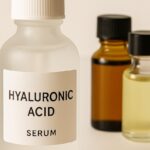
- Layering tip: Pair with a humectant like hyaluronic acid for skin to boost hydration, then seal with moisturizer.
- AM or PM: Either; always finish AM routines with sunscreen.
- Mixing: Generally plays well with most actives; patch test when combining with strong exfoliants.
Simple Routine Example
- Cleanser
- Hydrator (e.g., hyaluronic acid serum)
- Niacinamide serum
- Moisturizer (barrier-friendly; see also collagen for skin health for complementary support)
- AM: Sunscreen
Safety & Sensitivity
- Start a few times per week and increase as tolerated.
- If you’re using exfoliants like glycolic acid, introduce them on alternate nights.
- Discontinue and consult a professional if persistent irritation occurs.
Why Niacinamide Belongs in the Hydration Cluster
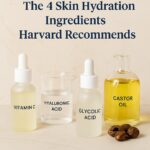
Harvard dermatology guidance emphasizes hydrating, barrier-supportive routines. Niacinamide fits this approach and pairs well with proven hydrators and gentle exfoliants. For the broader context, read our post: Harvard: 4 Proven Ingredients for Skin Health.
Sources & Further Reading
- Harvard Health: Winning the Skin Game
- American Academy of Dermatology
- PubMed: Dermatology research on niacinamide
Related Guides on VivantBeauty
- Harvard: 4 Proven Ingredients for Skin Health
- Hyaluronic Acid for Skin
- Collagen for Skin Health
- Glycolic Acid for Skin
- Squalene for Skin