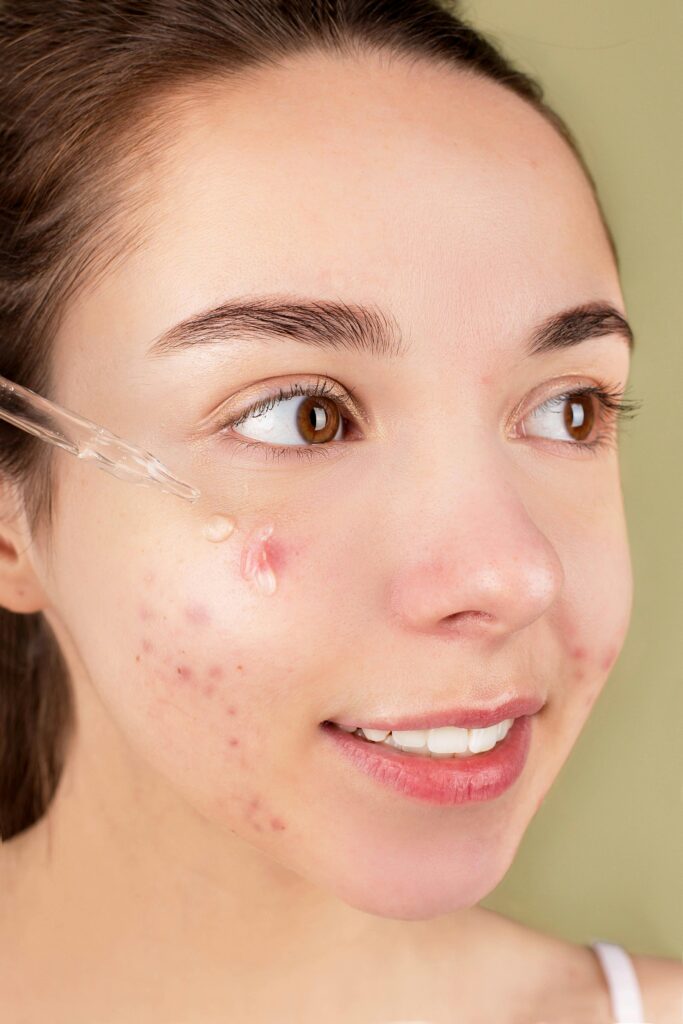
You’ve noticed a pattern: just when you think your skin is clear, a cluster of deep, sore pimples appears, almost always along your chin, jawline, and lower cheeks. If this sounds familiar, you are likely dealing with one of the most common and frustrating forms of adult acne: hormonal acne. Treating **hormonal acne on the chin and jawline** requires a different approach than the typical teenage breakout, as it’s driven by internal fluctuations, not just surface-level issues.
At VivantBeauty, we understand that this type of acne can feel relentless. The good news is that with a targeted strategy that combines the right skincare, lifestyle adjustments, and sometimes professional help, you can absolutely manage and clear it. Let’s explore **how to treat hormonal acne** effectively.
What is Hormonal Acne and Why Does It Affect the Jawline?
Hormonal acne is exactly what it sounds like: acne that is triggered by fluctuations in your hormones. As the Cleveland Clinic explains, an increase in androgen hormones (like testosterone) can lead to an overproduction of sebum (oil) in your pores. This excess oil, combined with dead skin cells, creates the perfect environment for bacteria to thrive, leading to inflammation and breakouts.
But why the chin and jawline? The glands in this specific “hormonal pattern” area of the face are particularly sensitive to these androgen hormones. When your hormones fluctuate—due to your menstrual cycle, stress, or other factors—these glands go into overdrive, resulting in the deep, cystic pimples that are characteristic of **adult hormonal acne**.
Your Skincare Strategy for Hormonal Acne
While hormonal acne is an internal issue, a consistent, smart topical routine is your first line of defense. The goal is to keep pores clear, reduce inflammation, and support a healthy skin barrier without causing further irritation.
1. Use the Right Actives
You need ingredients that can tackle both the clogged pores and the inflammation.
- Retinoids: A topical retinoid (like over-the-counter adapalene or prescription tretinoin) is a must-have. It speeds up cell turnover to prevent pores from clogging and has powerful anti-inflammatory properties.
- Salicylic Acid: This oil-soluble BHA is excellent for getting deep into the pores to dissolve clogs. It’s best for the less-inflamed bumps and blackheads that can accompany hormonal breakouts.
- Benzoyl Peroxide: For the red, angry, and inflamed pimples, benzoyl peroxide is a powerful tool. It works by killing the acne-causing bacteria on the skin. To learn more about which of these is right for you, check out our guide on .
2. Don’t Skip the Moisturizer
Many acne-fighting ingredients can be drying. A compromised skin barrier can lead to more inflammation and make your acne worse. Use a lightweight, non-comedogenic (won’t clog pores) moisturizer every day to keep your skin hydrated and balanced.
3. Be Gentle
It can be tempting to scrub away at stubborn breakouts, but this will only make the inflammation worse. Use a gentle, pH-balanced cleanser and avoid harsh physical scrubs. Pat your skin dry instead of rubbing it with a towel.
Lifestyle Tips to Help Balance Your Hormones
Because the root of the problem is internal, lifestyle adjustments can have a significant impact on managing hormonal acne.
- Manage Your Stress: High stress levels increase cortisol, which can throw your other hormones out of whack. Incorporate stress-reducing practices like meditation, yoga, or even a daily walk into your routine.
- Look at Your Diet: Some studies suggest a link between high-glycemic foods (sugar, white bread) and dairy with hormonal acne. Try to focus on a balanced diet rich in whole foods, antioxidants, and anti-inflammatory omega-3s.
- Get Enough Sleep: Sleep is when your body repairs itself and regulates hormones. Aim for 7-9 hours of quality sleep per night.
When to See a Professional
If your hormonal acne is persistent, cystic, or not responding to over-the-counter treatments, it is highly recommended that you see a board-certified dermatologist. They can offer more powerful and targeted solutions.
- Prescription Topicals: Stronger retinoids (like Tretinoin) or topical antibiotics can be very effective.
- Oral Medications: For moderate to severe cases, a dermatologist may prescribe oral medications like spironolactone (which blocks the effects of androgen hormones on the skin), oral contraceptives, or in some cases, oral antibiotics.
Treating hormonal acne is a marathon, not a sprint. By combining a smart skincare routine with healthy lifestyle choices, you can effectively manage breakouts and achieve clear, calm skin. For a complete overview of how to build a routine, be sure to read our Complete Guide to Managing and Treating Adult Acne.
Frequently Asked Questions (FAQs)
Q1: Does hormonal acne ever go away?
A: For many women, hormonal acne can be a recurring issue that fluctuates with their cycle or life stages (like menopause). However, with the right management strategies, it is absolutely possible to keep it under control and maintain clear skin for long periods.
Q2: Can I get rid of hormonal acne overnight?
A: No. Unfortunately, there is no overnight cure for deep, hormonal pimples. A consistent routine is key. For a single, painful cyst, a cortisone injection from a dermatologist can reduce inflammation and size within 24-48 hours.
Q3: Are there any supplements that can help with hormonal acne?
A: Some people find success with supplements like zinc (which can reduce inflammation) or DIM (which can help with estrogen metabolism). However, you should always speak with your doctor before starting any new supplement, especially if you have underlying health conditions.