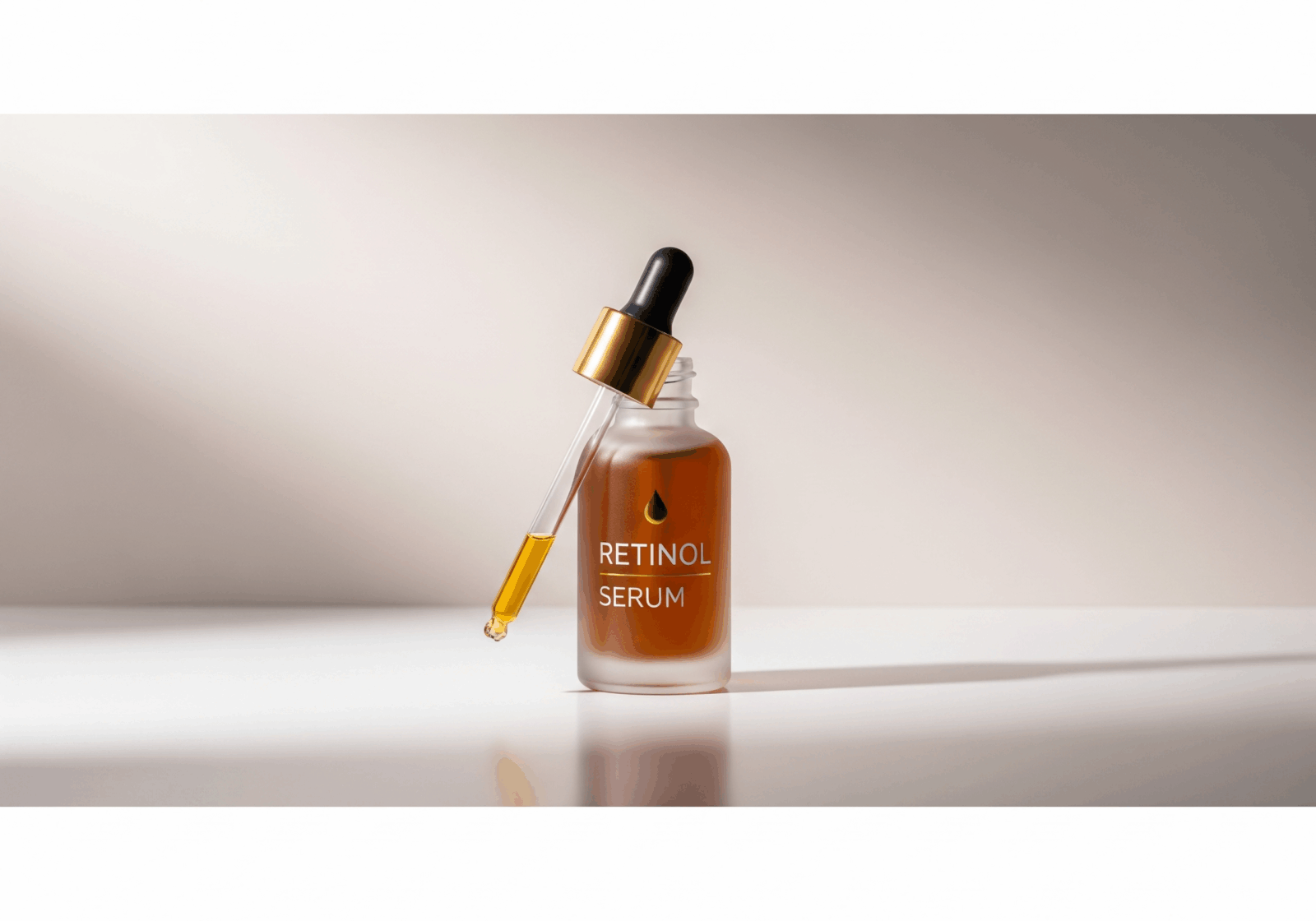
In the world of skincare, few ingredients are as celebrated—and feared—as retinol. Dermatologists hail it as the gold standard for anti-aging, yet a quick search online reveals horror stories of red, peeling skin. If you’re new to the game, you’re likely wondering how to get the incredible benefits without the dreaded side effects. This is your definitive guide to **retinol for beginners**, designed to help you start your journey with confidence.
At VivantBeauty, we believe that powerful ingredients shouldn’t be intimidating. With the right approach, anyone can learn **how to use retinol** effectively and safely. The secret isn’t in finding a miracle product, but in following a smart, patient strategy. Let’s break it down.
What is Retinol and Why is Everyone Talking About It?
First, the basics. Retinol is a derivative of Vitamin A, and it’s part of a larger family of compounds called retinoids. It works by binding to receptors in your skin cells, essentially telling them to behave like younger, healthier cells. This triggers two amazing effects:
- It speeds up cell turnover: Retinol encourages your skin to shed old, dull cells more quickly, revealing the fresher, smoother skin underneath. This helps improve texture and fade dark spots.
- It boosts collagen production: It stimulates the synthesis of collagen, the protein that gives your skin its firmness and structure. This is key to reducing the appearance of fine lines and wrinkles.
As explained by experts at Harvard Health, this dual-action mechanism is why retinoids are one of the most proven anti-aging ingredients available.
The Golden Rule of Starting Retinol: Start Low and Go Slow
If you remember only one thing from this guide, let it be this: **start with a low concentration and use it infrequently at first.** This is the single most important principle for preventing **retinol irritation**. Your skin needs time to build up a tolerance to this powerful ingredient. We call this the “retinization” period. Trying to rush the process is the number one mistake beginners make.
Your Step-by-Step Guide on How to Use Retinol
Ready to begin? Here is the exact, step-by-step process for introducing retinol into your routine for the first time.
- Choose the Right Product: Over-the-counter options are perfect for beginners. Look for a product with a low concentration of pure retinol, typically between 0.1% and 0.3%. Avoid jumping straight to high-strength formulas or prescription-strength retinoids like Tretinoin.
- Patch Test First: Before applying it to your entire face, do a patch test. Apply a small amount to a discreet area (like behind your ear or on your inner arm) for two or three nights to ensure you don’t have an adverse reaction.
- Apply at Night Only: Retinol can be degraded by sunlight, making it less effective. It also makes your skin more sensitive to the sun. For these reasons, retinol should only ever be used in your evening skincare routine.
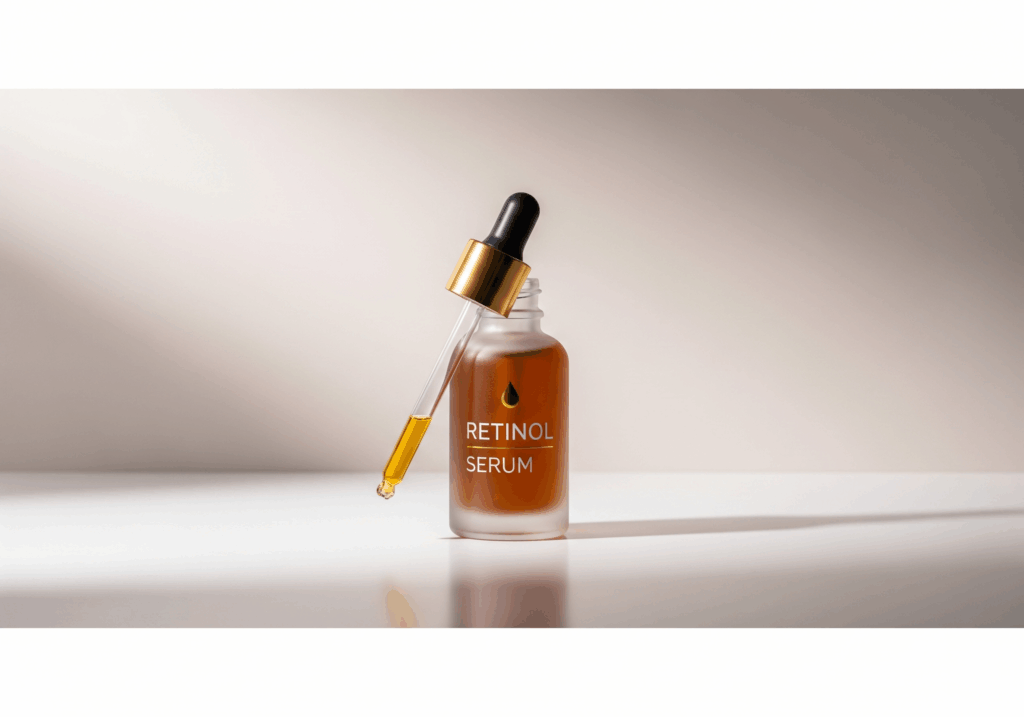
- Use Only a Pea-Sized Amount: More is NOT better. A small, pea-sized amount is enough for your entire face. Dot it on your forehead, cheeks, and chin, then gently spread it over your skin.
- Apply to Dry Skin: After cleansing, wait until your skin is completely dry before applying retinol. Applying it to damp skin can increase its penetration, which also increases the risk of irritation.
The “Sandwich Method”: Your Secret Weapon Against Dryness
For those with very dry or sensitive skin, the “sandwich method” is a fantastic technique for **starting retinol** without irritation. It’s simple:
Moisturizer -> Retinol -> Moisturizer
Apply a thin layer of your regular moisturizer first, let it absorb, apply your pea-sized amount of retinol, and then finish with another layer of moisturizer. The first layer acts as a buffer, slowing the retinol’s absorption just enough to minimize potential dryness and peeling.
Where Retinol Fits in Your Routine
Retinol is a powerful treatment step, but it’s just one part of a complete regimen. It should be incorporated into a solid routine that prioritizes skin health. To understand how all the pieces fit together, be sure to check out our The Ultimate Guide to an Anti-Aging Skincare Routine. As a beginner, your simple nighttime routine should look like this:
- Gentle Cleanser
- Retinol (on dry skin)
- Moisturizer
The Do’s and Don’ts of Using Retinol
- DO wear a broad-spectrum sunscreen with SPF 30 or higher every single morning. Retinol makes your skin more sensitive to the sun, so this is non-negotiable.
- DON’T use other potentially irritating actives on the same night you use retinol, at least in the beginning. Avoid using products with AHA/BHA acids or Vitamin C at the same time.
- DO be patient. It can take 3-6 months of consistent use to see significant results. This is a marathon, not a sprint.
- DON’T apply retinol to your eyelids or the corners of your mouth and nose, as these areas are more prone to irritation.
Frequently Asked Questions (FAQs)
Q1: What is the “retinol purge”? Is it real?
A: Yes, it can be. Because retinol speeds up cell turnover, it can bring underlying micro-comedones (clogged pores) to the surface more quickly, causing a temporary increase in breakouts. This “purge” period is usually temporary and a sign that the ingredient is working.
Q2: My skin is peeling. Should I stop using it?
A: Mild flaking and dryness can be normal during the initial “retinization” period. If this happens, try dropping back to a lower frequency (e.g., from twice a week to once a week) and apply a richer moisturizer. If you experience severe redness, burning, or discomfort, stop using the product and consult a dermatologist.
Q3: Can I use retinol under my eyes?
A: The skin around the eyes is very delicate. You should not use your facial retinol in this area unless it is specifically formulated as an eye cream. Using a dedicated retinol eye cream is a safer option.