You’ve finally won the battle against an active breakout—but the fight isn’t over. Often, after a pimple has healed, it leaves behind a frustrating reminder: a red or brown mark that can linger for weeks, or even months. This is one of the most disheartening parts of the acne cycle, but understanding what these marks are is the first step to effectively treating them. If you’re focused on **fading acne scars**, you’re in the right place.
At VivantBeauty, we believe that achieving a truly clear complexion means addressing the aftermath of breakouts and fading acne scars too . This guide will explain the different types of marks acne can leave, and provide a clear, science-backed plan on **how to get rid of acne scars** and reclaim your even, radiant skin tone.
Are They Scars or Just Marks? Understanding the Difference
The first thing to understand is that most of the “scars” people worry about aren’t true scars at all. They are a form of skin discoloration. The American Academy of Dermatology (AAD) helps us distinguish between the two main types:
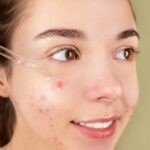
- Post-Inflammatory Hyperpigmentation (PIH): These are the flat **brown or dark spots** left behind after a pimple heals. They are caused by an overproduction of melanin (pigment) in response to the inflammation of the breakout.
- Post-Inflammatory Erythema (PIE): These are the flat **red or pink spots**. They are caused by the dilation or damage of tiny blood vessels near the surface of the skin during the inflammatory process.
- True Atrophic Scars: These are indented or pitted scars (like “ice pick” or “boxcar” scars) caused by a loss of collagen during the healing process. These are much more difficult to treat at home and often require professional procedures.
This guide will focus on treating PIH and PIE—the discoloration—which can be significantly improved with a consistent at-home skincare routine.
The Best Skincare Ingredients for Fading Acne Scars
To fade these marks, you need ingredients that do one of three things: increase cell turnover, inhibit melanin production, or reduce inflammation. Here are the most effective actives to look for.
1. Retinoids (The Gold Standard)
Retinoids are your number one tool. By accelerating cell turnover, they help to shed the discolored, pigmented skin cells on the surface more quickly, revealing the new, evenly-toned skin underneath. They are effective against both brown marks (PIH) and red marks (PIE). If you’re new to this ingredient, our Retinol for Beginners guide is the perfect place to start.
2. Vitamin C (The Brightening Protector)
Vitamin C is a powerful antioxidant that helps to inhibit the enzyme responsible for melanin production. This makes it a superstar for fading brown spots (PIH) and preventing new ones from forming. It also helps to protect the skin from UV damage, which can darken existing spots.
3. Azelaic Acid
This is a fantastic and often underrated ingredient for post-acne marks. Like Vitamin C, it works by inhibiting melanin production, making it highly effective for brown spots. It’s also a powerful anti-inflammatory, which makes it excellent for calming the redness associated with PIE and active acne.
4. Niacinamide (The Calming Supporter)
Niacinamide is a gentle but effective ingredient that helps to reduce the transfer of pigment within the skin cells, which can help lighten dark spots over time. Its powerful anti-inflammatory properties are also excellent for reducing the redness of PIE.
5. Alpha Hydroxy Acids (AHAs)
Acids like glycolic acid and lactic acid are chemical exfoliants. They work by dissolving the bonds that hold dead skin cells to the surface, helping to speed up the fading of pigmented spots. They are best used a few times a week, on nights you are not using a retinoid.
The Most Important Step: Sunscreen is Non-Negotiable
Sun exposure is the enemy of clear, even skin. UV rays stimulate melanin production, which will make your brown spots (PIH) darker and more stubborn. It can also worsen the inflammation that causes red marks (PIE). If you are not wearing a broad-spectrum sunscreen with at least SPF 30 every single day, all your efforts to fade marks will be undermined. This is the single most important step in your routine.
When to Consider Professional Treatments
For stubborn discoloration or true, indented scars, professional treatments can offer more dramatic results.
- Chemical Peels: A professional-strength peel can provide a deeper exfoliation to significantly speed up the fading of PIH.
- Microneedling: This is one of the **best treatments for acne scars** that are indented, as it stimulates new collagen growth to “fill in” the pitted areas.
- Laser Treatments: Different types of lasers can target either the pigment in brown spots or the redness in red spots, breaking them down so the body can clear them away.
Fading acne marks is a journey that requires patience and consistency, but with the right strategy, it is absolutely achievable. By combining these powerful ingredients with diligent sun protection, you can speed up the healing process and get back to the clear, confident skin you deserve. For a complete overview of how to manage breakouts, be sure to read our Complete Guide to Managing and Treating Adult Acne.
Frequently Asked Questions (FAQs)
Q1: How long does it take to fade acne scars?
A: With a consistent routine using the right active ingredients and daily sunscreen, you can typically expect to see a noticeable improvement in red and brown marks (PIE and PIH) in 8-12 weeks. True indented scars require professional treatments to see significant change.
Q2: Can I get rid of acne scars overnight?
A: No. There is no overnight cure for post-acne marks. The process involves gradually shedding pigmented skin cells and rebuilding healthy tissue, which takes time.
Q3: Should I pick at my pimples?
A: Absolutely not! Picking, squeezing, or popping pimples dramatically increases inflammation, which is the primary cause of post-acne marks and true scarring. The best thing you can do for a breakout is to treat it gently with a spot treatment and let it heal on its own.