We invest time and money in powerful serums and treatments, all in the hope of maintaining firm, youthful skin. But what if the most significant factors influencing your skin’s firmness aren’t in a bottle, but in your daily choices? The truth is, some of the most common **habits that cause sagging skin** are woven into our everyday lives, silently accelerating the aging process. Understanding these culprits is the first and most powerful step in prevention.
At VivantBeauty, we know that a holistic approach is key. This guide will shine a light on the top 5 lifestyle factors that contribute to a loss of skin elasticity and, more importantly, give you simple, actionable solutions on **how to prevent sagging skin** for the long term.
It’s Not Just About Skincare: The Power of Your Daily Routine
The link between our internal health and external radiance is undeniable. This is the very essence of The Wellness-Beauty Convergence. While a great skincare routine is crucial, your lifestyle choices create the foundation upon which that routine can deliver real results. Let’s look at the habits that could be undermining your efforts.
The 5 Habits That Cause Sagging Skin (And Their Solutions)
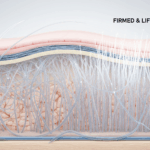
These five factors are the most significant contributors to the breakdown of collagen and elastin—the two proteins responsible for your skin’s firmness and bounce.
1. Unprotected Sun Exposure
The Problem: This is, without a doubt, the number one enemy of firm skin. Ultraviolet (UVA) radiation from the sun penetrates deep into the dermis and actively destroys collagen and elastin fibers. This process, known as photoaging, is responsible for up to 90% of the visible signs of aging, including sagging.
The Solution: The answer is simple and non-negotiable: wear a broad-spectrum sunscreen with an SPF of 30 or higher every single day, rain or shine. Think of it as your daily insurance policy against sagging. For a deep dive, read our guide on Why Sunscreen is the Most Powerful Anti-Aging Product You Can Use.
2. A High-Sugar Diet
The Problem: That sweet treat might be doing more harm than you think. When you consume excess sugar, it can lead to a process called glycation. In simple terms, sugar molecules attach themselves to proteins in your body, including collagen and elastin. This process creates harmful new molecules called Advanced Glycation End-products (AGEs), which make your collagen and elastin fibers stiff, brittle, and weak, leading to a loss of elasticity and increased sagging.
The Solution: You don’t have to eliminate sugar entirely. The key is to focus on a balanced, whole-foods diet rich in antioxidants, which help fight the damaging effects of glycation. As this scientific review on nutrition and skin aging confirms, a diet filled with fruits, vegetables, and healthy fats is one of the best defenses against premature skin aging.
3. Smoking and Vaping
The Problem: Smoking is devastating for skin firmness. Nicotine causes blood vessels to constrict, reducing the flow of oxygen and vital nutrients to your skin. On top of that, the thousands of other chemicals in tobacco smoke create a massive amount of free radicals that viciously attack and destroy collagen and elastin. The repetitive puckering motion of smoking also contributes to lines around the mouth.
The Solution: The best and only solution for your skin (and overall health) is to quit. There are many resources available to help, and this is the single most impactful health decision you can make.
4. Lack of Quality Sleep
The Problem: They don’t call it “beauty sleep” for nothing. Nighttime is when your body goes into repair mode. During deep sleep, your body produces growth hormones that help repair damaged cells and synthesize new, healthy collagen. When you don’t get enough sleep, your body releases more of the stress hormone, cortisol, which is known to break down collagen.
The Solution: Aim for 7 to 9 hours of quality sleep per night. Establish a relaxing bedtime routine, avoid screens for an hour before bed, and create a dark, cool sleeping environment to improve your sleep quality.
5. Rapid Weight Fluctuations
The Problem: Constantly gaining and losing significant amounts of weight (often called yo-yo dieting) can take a toll on your skin’s elasticity. When you gain weight, your skin has to stretch. If you then lose that weight rapidly, your collagen and elastin fibers, which have been damaged by the stretching, may not have the ability to snap back into place, leading to sagging.
The Solution: If you are on a weight loss journey, aim for a slow, steady, and sustainable pace of 1-2 pounds per week. This gives your skin more time to adapt and retract. Focus on a healthy lifestyle for permanent results rather than short-term crash diets.
A Proactive Approach is Your Best Defense
While you can’t stop time, you have a tremendous amount of control over these lifestyle factors. Combining these healthy habits with a targeted skincare routine is the ultimate strategy for maintaining firm, youthful skin. To learn more about the best treatments and ingredients, explore our Ultimate Guide to Treating Sagging Skin.
Frequently Asked Questions (FAQs)
Q1: Which of these habits is the absolute worst for sagging skin?
A: While all are damaging, unprotected sun exposure is by far the most significant and scientifically proven cause of premature skin aging and sagging.
Q2: Can you reverse sagging caused by these habits?
A: You can significantly improve the appearance of your skin by adopting healthier habits and a great skincare routine. Your body can build new collagen, but it’s a slow process. This is why prevention is always the most effective strategy.
Q3: Does stress cause sagging skin?
A: Yes, indirectly. Chronic stress leads to high levels of the hormone cortisol, which is known to break down collagen and elastin fibers over time, contributing to a loss of firmness.