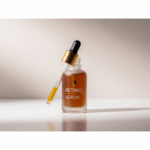
In the world of skincare, we’re constantly searching for the next miracle ingredient—the potent serum or luxurious cream that promises to erase the signs of time. But what if the most powerful anti-aging product in your arsenal isn’t a complex new discovery, but a tried-and-true staple you might be overlooking? At VivantBeauty, we believe in smart, effective skincare, and it’s time to give credit where it’s due. The single most effective, scientifically-proven tool in the fight against aging isn’t a rare extract or a high-tech peptide; it’s your daily sunscreen.
It may not sound as glamorous as a retinol serum, but consistent use of **sunscreen for anti-aging** is the foundation upon which all other efforts are built. Let’s explore exactly why this humble product is your skin’s ultimate defense against aging.
The Real Cause of Aging: Understanding Sun Damage and premature aging of skin (Photoaging)
To understand why sunscreen is so critical, we first need to understand what causes most of the visible signs of aging. While genetics and time play a role, dermatologists agree that the vast majority of what we perceive as skin aging—wrinkles, fine lines, dark spots, and loss of firmness—is caused by sun exposure. This process is so significant it has its own name: **photoaging**.
The sun emits different types of ultraviolet (UV) radiation. The two that affect our skin are:
- UVA Rays (Aging Rays): These rays penetrate deep into the skin’s dermis, where they damage the collagen and elastin fibers that provide your skin with its structure and support. Think of them as tiny wrecking balls slowly breaking down your skin’s foundation.
- UVB Rays (Burning Rays): These have a shorter wavelength and are the primary cause of sunburn and surface-level skin damage.
According to the Skin Cancer Foundation, an estimated **90 percent of skin aging** is caused by the sun. This means that preventing sun damage is the most effective anti-aging strategy there is.
How Sunscreen Works as a Time Machine for Your Skin

Unlike other skincare products that work to correct existing damage, sunscreen’s primary role is **prevention**. It acts as a shield, stopping the damage before it ever happens. Here’s how that translates into a more youthful appearance.
1. It Preserves Your Precious Collagen
Every time your unprotected skin is exposed to the sun, UVA rays are chipping away at your collagen and elastin. Daily use of sunscreen physically blocks or absorbs these rays, protecting your skin’s structural proteins. This is the most direct way to prevent the formation of future **sunscreen for wrinkles** and sagging.
2. It Prevents Hyperpigmentation (Sunspots)
Those dark spots that often appear on the face, hands, and chest as we age are a direct result of sun exposure, sun exposure can trigger an overproduction of melanin. Sunscreen prevents this process from starting, keeping your skin tone more even and uniform.
3. It Allows Your Skin to Repair Itself
This is a crucial and often overlooked benefit. Your skin has a remarkable capacity for self-repair. However, when it’s constantly defending itself against a daily UV assault, it has no resources left to fix past damage. By wearing sunscreen every day, you give your skin a break. You shield it from the daily battle, freeing up its energy to focus on rebuilding collagen and healing itself, which can actually improve its current condition.
Your Other Skincare Products are Wasted Without It
Are you investing in powerful corrective ingredients like retinol or peptides? If you’re not wearing sunscreen every morning, you are actively undermining their efforts. Ingredients like retinol work hard at night to stimulate new collagen production. Then, if you go out during the day without sun protection, UVA rays penetrate your skin and break down that precious new collagen you just built.
Think of it like trying to fill a bucket with a hole in it. Your serums are the water, but the sun exposure is the hole. **Sunscreen plugs the hole.** This is especially critical if you are following our Retinol for Beginners guide, as retinol makes your skin more sensitive to the sun.
What to Look For: Choosing the Best Anti-Aging Sunscreen
Finding the right sunscreen can feel daunting, but it’s simpler than you think. Here are the key criteria for the **best anti-aging sunscreen**:
- Broad-Spectrum Protection: This is non-negotiable. It means the product protects against both UVA (aging) and UVB (burning) rays.
- SPF 30 or Higher: Dermatologists recommend a minimum of SPF 30 for daily use and SPF 50 for extended time outdoors.
- A Formula You Love to Wear: The best sunscreen is the one you will apply generously every single day. Modern formulas are cosmetically elegant and come in various