It’s the wellness trend that’s taken over our coffee, smoothies, and social media feeds: collagen supplements. From powders to capsules, the beauty industry is buzzing with claims that ingesting this protein can deliver smoother, firmer, more youthful-looking skin from the inside out. But in a world of hype, it’s fair to ask the big question: **do collagen supplements work?** And more specifically, can a daily scoop of powder really do anything about wrinkles?
At VivantBeauty, we believe in looking at the science behind the trends. The idea of using nutrition to enhance beauty is at the heart of The Wellness-Beauty Convergence. So, let’s break down the evidence and give you an honest look at **collagen for wrinkles**.
What is Collagen and Why is it So Important for Skin?
Before we can understand the supplements, we need a quick refresher on collagen itself. Collagen is the most abundant protein in the human body. It acts like scaffolding, providing the essential structure, strength, and support for your skin, bones, tendons, and ligaments. In your skin, it’s what’s responsible for keeping it firm, plump, and resilient.
The problem is, starting in our mid-20s, our bodies’ natural collagen production begins to decline. This slowdown, combined with environmental damage, leads to common signs of aging like fine lines, sagging, and, of course, wrinkles.
The Big Debate: Can Your Body Actually Use Ingested Collagen?
For years, the main skepticism around collagen supplements was about digestion. Critics argued that when you eat collagen, your stomach acids break it down into individual amino acids, just like any other protein. They believed your body couldn’t tell the difference between amino acids from a collagen supplement and those from a piece of chicken, and therefore couldn’t send them specifically to your skin.
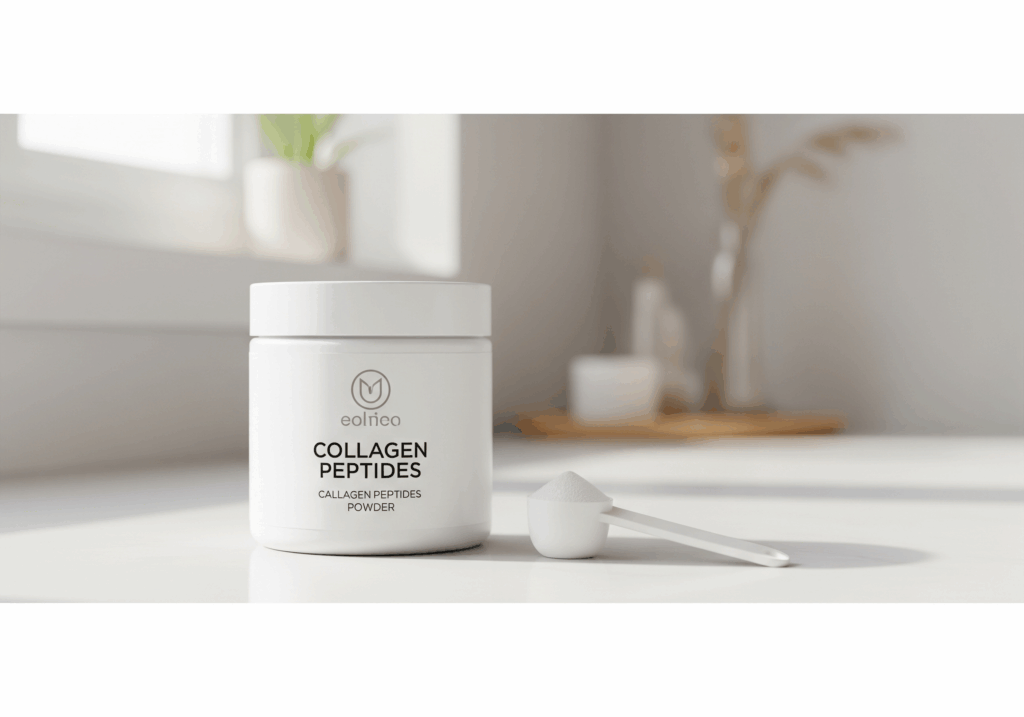
However, modern science has a more nuanced answer. Most supplements today use **hydrolyzed collagen**, also known as **collagen peptides**. This means the long collagen protein chains have already been broken down into shorter, more easily absorbed pieces. The current theory is that these peptides are absorbed into the bloodstream and act as signaling molecules, essentially sending a message to your skin’s fibroblast cells to ramp up their own natural collagen production.
What Does the Research Say? Examining the Evidence
While the science is still evolving, the body of research on collagen supplements is growing—and it’s largely promising. Many randomized, placebo-controlled trials have studied the effects of collagen peptide supplementation on skin health.
A systematic review of clinical trials published on the National Institutes of Health (NIH) website concluded that preliminary results are promising. The review found that subjects taking collagen supplements showed significant improvements in skin elasticity, hydration, and dermal collagen density. In other words, the science is beginning to support what many users have been reporting anecdotally.
While it’s not a miracle cure, the evidence suggests that consistent supplementation can indeed provide measurable **collagen benefits for skin**.
How to Choose the Best Collagen for Skin

If you decide to try collagen, navigating the options can be confusing. Here’s what to look for to ensure you’re getting a high-quality product:
- Look for “Hydrolyzed Collagen” or “Collagen Peptides”: This is the most important factor. This form is broken down for better absorption. If it just says “collagen,” it may not be as effective.
- Check the Type: Type I collagen is the most prevalent type in our skin. Most bovine (cow) and marine (fish) collagen supplements are rich in Type I and are excellent choices for skin health.
- No Added Fluff: The **best collagen for skin** supplements have a simple ingredient list. Be wary of products loaded with sugar, artificial flavors, or unnecessary fillers.
- Third-Party Certification: Because supplements are not tightly regulated, look for a seal from a third-party certifier like NSF International, USP, or Informed-Sport. This verifies that the product contains what it says it does and is free from contaminants.
The Verdict: A Powerful Piece of the Puzzle
So, do collagen supplements work for wrinkles? The scientific evidence is pointing towards a qualified “yes.” They are not a magic eraser that will make wrinkles disappear overnight, nor can they replace the proven benefits of topical treatments like sunscreen and retinoids.
However, when used consistently, high-quality collagen peptides can be a powerful tool for supporting your skin’s health from the inside out. Think of them as one important piece of a larger puzzle. They work best when combined with a comprehensive, evidence-based anti-aging skincare routine.
Frequently Asked Questions (FAQs)
Q1: How long does it take to see results from collagen supplements?
A: Most clinical studies show noticeable results after 8-12 weeks of daily, consistent use. This is a long-term commitment, not a quick fix.
Q2: Is marine (fish) collagen better than bovine (cow) collagen?
A: Both are excellent sources of Type I collagen. Some studies suggest marine collagen has a smaller particle size and may be absorbed slightly more efficiently, but both have been shown to be effective. Choose based on your dietary preferences and budget.
Q3: Are there any vegan alternatives to collagen?
A: True collagen is an animal product, so there are no direct vegan sources. However, many “vegan collagen boosters” are available. These supplements don’t contain collagen itself but are formulated with the building blocks your body needs to produce its own collagen, such as vitamin C, zinc, and various plant-based amino acids.