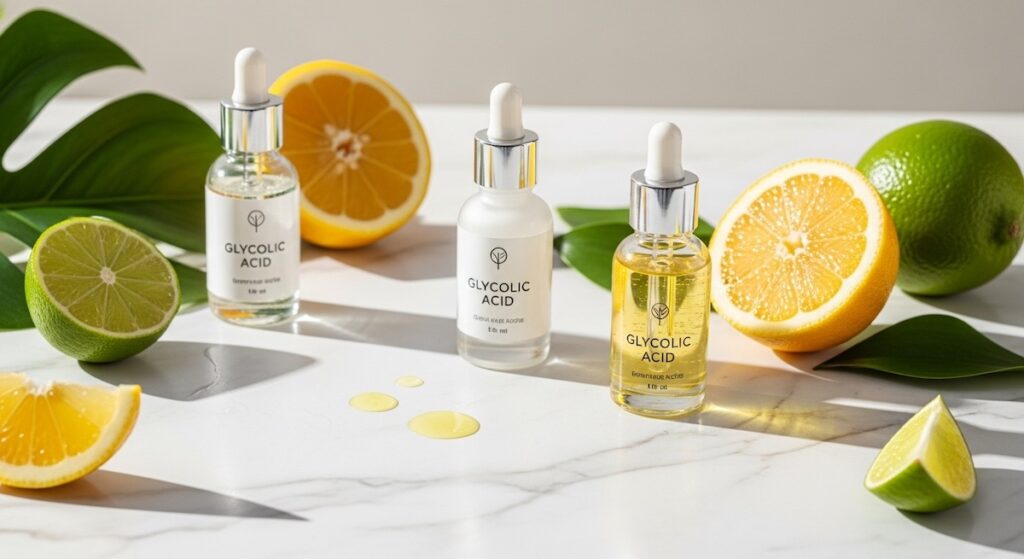
If you’ve been searching for that one skincare ingredient that can truly transform your complexion, glycolic acid might just be your answer. As someone who’s personally experienced the dramatic difference this alpha hydroxy acid can make, I’m excited to share everything you need to know about choosing and using the best glycolic acid serums available today.
Glycolic acid has earned its reputation as a skincare powerhouse for good reason. This water-soluble exfoliant works by dissolving the bonds between dead skin cells, revealing the fresh, radiant skin underneath. Unlike physical scrubs that can cause micro-tears and irritation, glycolic acid offers gentle yet effective exfoliation at the molecular level. The result? Smoother texture, reduced fine lines, faded dark spots, and that coveted healthy glow we all want.
What makes glycolic acid particularly special among the AHA family is its small molecular size. This allows it to penetrate deeper into the skin than other alpha hydroxy acids like lactic or mandelic acid, making it incredibly effective for addressing multiple skin concerns simultaneously. Whether you’re dealing with stubborn hyperpigmentation, aging skin that’s lost its luminosity, acne scarring, or simply want to maintain a youthful complexion, incorporating a quality glycolic acid serum into your routine can deliver transformative results.
However, not all glycolic acid serums are created equal. The concentration, pH level, formulation, and complementary ingredients all play crucial roles in determining how effective and gentle a product will be on your skin. With countless options flooding the market, finding the right one can feel overwhelming. That’s why I’ve tested and researched extensively to bring you this comprehensive guide to the best glycolic acid serums.
In this article, you’ll discover ten exceptional glycolic acid serums that cater to different skin types, concerns, and budgets. Whether you’re a glycolic acid beginner looking for a gentle introduction or an experienced user ready for higher concentrations, you’ll find detailed reviews that cover everything from ingredient quality to real-world performance. Beyond the product recommendations, I’ll walk you through how to choose the perfect serum for your needs, proper application techniques, common mistakes to avoid, and answer the most frequently asked questions about incorporating glycolic acid into your skincare routine.
The journey to radiant, youthful skin starts here. Let’s dive into the world of glycolic acid serums and find your perfect match.
The 10 Best Glycolic Acid Serums for Glowing Skin
1. The Ordinary Glycolic Acid 7% Toning Solution
The Ordinary has revolutionized accessible skincare, and their Glycolic Acid 7% Toning Solution stands as one of their most beloved offerings. This liquid exfoliant delivers professional-grade results without the professional price tag, making it an exceptional entry point for those new to glycolic acid or anyone seeking effective exfoliation on a budget.
What sets this formula apart is its carefully calibrated pH of 3.5-3.7, which strikes the perfect balance between efficacy and gentleness. The 7% glycolic acid concentration is strong enough to deliver visible results but mild enough for most skin types to tolerate well. Beyond the star ingredient, this toning solution includes amino acids, aloe vera, and ginseng root extract, which help soothe and hydrate the skin while the glycolic acid works its magic.
The texture is wonderfully lightweight and absorbs quickly, leaving no sticky residue behind. Users consistently report smoother skin texture within just a few uses, with improvements in brightness and tone becoming evident after two to three weeks of regular application. The 240ml bottle offers exceptional value, lasting months even with daily use. While some users with sensitive skin may need to start slowly with this concentration, the vast majority find it perfectly tolerable when introduced gradually. This serum has earned its cult status for good reason—it simply delivers results that rival products costing three times as much.
Best for: Budget-conscious buyers, glycolic acid beginners, normal to oily skin types
2. Paula’s Choice Skin Perfecting 8% AHA Gel Exfoliant
Paula’s Choice has built its reputation on science-backed formulations, and the Skin Perfecting 8% AHA Gel Exfoliant exemplifies this commitment to efficacy. This gel-based serum combines an 8% glycolic acid concentration with chamomile and green tea extracts, creating a powerhouse treatment that’s both effective and soothing.
The gel texture is one of this product’s standout features—it feels cooling on application and absorbs beautifully without any tackiness. Unlike water-based glycolic acid treatments that can sometimes feel harsh, this gel formula cushions the exfoliating action, making it more comfortable for those with slightly sensitive skin. The inclusion of antioxidants helps protect your newly exfoliated skin from environmental stressors, while the chamomile provides gentle anti-inflammatory benefits.
What truly impresses about this formula is its versatility. It’s strong enough to tackle stubborn concerns like post-acne marks, sun damage, and early signs of aging, yet gentle enough for regular use. Users consistently report improvements in skin clarity, reduced pore appearance, and a noticeable smoothing of fine lines. The product layers well under other skincare products and works harmoniously with vitamin C serums and retinol treatments. While the price point sits in the mid-range category, the 100ml bottle provides excellent longevity, and the consistent results justify the investment for those serious about transforming their skin texture.
Best for: Combination skin, those seeking anti-aging benefits, users wanting a gel texture
3. Sunday Riley Good Genes All-In-One Lactic Acid Treatment
While technically formulated with lactic acid as the primary AHA, Sunday Riley’s Good Genes deserves mention in any comprehensive glycolic acid serum roundup because it delivers similar exfoliating benefits with exceptional gentleness. This luxurious treatment contains purified lactic acid at an effective concentration, enhanced with licorice root extract, lemongrass, and aloe.
The milky texture feels immediately nourishing on the skin, and the natural lemongrass scent (though polarizing for some) adds a spa-like element to your skincare routine. What makes Good Genes special is how it manages to deliver powerful exfoliation without the irritation or sensitivity that some experience with glycolic acid. Lactic acid molecules are larger than glycolic acid, so they penetrate more slowly and gently, making this an excellent alternative for those with reactive or dry skin.
The brightening effects are nothing short of remarkable. Users often wake up to noticeably more radiant skin after just one overnight application. With continued use, dark spots fade, skin texture becomes silky smooth, and that coveted lit-from-within glow becomes your new normal. The formula layers beautifully with other products and works synergistically with retinol and vitamin C. Yes, this is a splurge product, but the concentrated formula means a little goes a long way, and many users consider it worth every penny for the transformative results it delivers.
Best for: Dry or sensitive skin, those seeking gentler AHA exfoliation, luxury skincare enthusiasts
4. Drunk Elephant T.L.C. Framboos Glycolic Night Serum
Drunk Elephant’s T.L.C. Framboos has achieved cult status in the skincare community, and once you try it, you’ll understand why. This potent night serum combines 12% glycolic acid with tartaric, lactic, and citric acids in a carefully balanced AHA blend that delivers professional-level exfoliation from the comfort of your home.
What distinguishes Framboos from other high-percentage glycolic treatments is its sophisticated formulation. The gel texture glides effortlessly across the skin, and the addition of horse chestnut extract, bearberry, and white tea works to calm and protect your skin during the exfoliation process. The raspberry extract (hence the “Framboos” name, which means raspberry in Dutch) provides antioxidant support. The pH is optimized for maximum efficacy without unnecessary irritation, making this surprisingly tolerable even for those stepping up from lower concentrations.
The results speak for themselves—users report dramatically improved skin texture, faded hyperpigmentation, reduced acne scarring, and a general resurfacing effect that rivals professional chemical peels. The formula is particularly effective at addressing stubborn concerns that milder treatments haven’t resolved. While the price point is premium and some initial purging or adjustment period is common, the transformative results make this a worthwhile investment for those committed to achieving their best skin. The 30ml bottle, despite its size, lasts several months when used as directed.
Best for: Experienced glycolic acid users, stubborn hyperpigmentation, those seeking professional-strength results at home
5. Murad Age Reform Glycolic Rejuvenating Serum
Murad brings decades of dermatological expertise to their Age Reform Glycolic Rejuvenating Serum, a sophisticated treatment that combines 10% glycolic acid with innovative moisture-binding ingredients. This serum is specifically designed to deliver powerful anti-aging benefits while maintaining optimal hydration levels—a balance that many high-percentage glycolic products struggle to achieve.
The lightweight serum texture absorbs rapidly and layers beautifully under moisturizers and sunscreen. What sets this formula apart is the inclusion of Korean red pine extract and natto gum, ingredients that work synergistically to support skin’s natural collagen production while the glycolic acid resurfaces. The result is a dual-action approach that both reveals newer skin and actively works to improve its quality. Murad’s proprietary formulation also includes moisture-preserving ingredients that counteract the potential drying effects of glycolic acid.
Clinical testing has shown impressive results, with users experiencing visible reduction in fine lines, improved firmness, and more even tone after consistent use. The formula is particularly effective for mature skin that needs more than basic exfoliation—it addresses the multiple dimensions of aging skin comprehensively. While this sits at a higher price point, the clinical-grade formulation and scientifically proven results justify the investment. The pump dispenser ensures hygienic application and precise dosing, helping the product last longer.
Best for: Mature skin, anti-aging focused users, those wanting clinical-grade formulations
6. Pixi Glow Tonic
A cult favorite that has stood the test of time, Pixi Glow Tonic offers a gentle introduction to glycolic acid exfoliation with its 5% concentration. This toner-serum hybrid has garnered a devoted following thanks to its ability to deliver a noticeable glow without irritation, making it perfect for sensitive skin types or glycolic acid newcomers.
The formula is brilliantly simple yet effective. Beyond the glycolic acid, it contains aloe vera and ginseng to soothe and energize skin, creating a balanced treatment that exfoliates without stripping. The addition of witch hazel helps minimize pores and control oil production, making this particularly suitable for combination skin. The liquid texture applies easily with a cotton pad or can be patted directly onto skin with clean hands.
What users love most about Glow Tonic is its foolproof nature—it’s nearly impossible to overdo it, and most people can use it twice daily without issues. The 5% concentration is gentle enough for everyday use yet still delivers real results over time. Skin becomes smoother, brighter, and more even-toned with consistent application. The large 250ml bottle offers exceptional value, lasting months even with daily use. The subtle fragrance from the botanical ingredients is pleasant without being overwhelming. For those intimidated by stronger glycolic treatments or with naturally sensitive skin, this is the perfect starting point that still delivers visible improvements.
Best for: Sensitive skin, glycolic acid beginners, those wanting daily gentle exfoliation
7. Alpha-H Liquid Gold
Often described as a “facial in a bottle,” Alpha-H Liquid Gold has maintained its status as a beauty industry icon for over a decade. This Australian skincare powerhouse combines 5% glycolic acid with licorice root extract and silk proteins in a meticulously balanced formula that delivers professional-grade results with remarkable gentleness.
The genius of Liquid Gold lies in its perfectly calibrated pH level and the inclusion of complementary ingredients that enhance glycolic acid’s benefits while minimizing potential irritation. The licorice root extract provides additional brightening and anti-inflammatory benefits, while the silk proteins help maintain moisture and protect the skin barrier. The texture is more viscous than typical glycolic toners, allowing for more controlled application and better adherence to the skin.
Users consistently report that their skin looks noticeably more radiant, refined, and youthful after incorporating Liquid Gold into their routine. The exfoliation is thorough yet gentle enough for most skin types to tolerate well, and the brightening effects on hyperpigmentation and sun damage are particularly impressive. Many dermatologists and aestheticians recommend this product to their clients for maintenance between professional treatments. The formula can be used nightly once skin is acclimated, and it plays well with other active ingredients when properly sequenced. While the price reflects its professional-grade quality, the 100ml bottle provides good value given its efficacy.
Best for: All skin types, those seeking professional results, brightening and refinement
8. Glycolic 10 Renew Overnight by SkinCeuticals
SkinCeuticals brings pharmaceutical-grade skincare to the consumer market with their Glycolic 10 Renew Overnight treatment. This potent cream-gel hybrid contains a full 10% free glycolic acid—meaning it’s formulated at an optimal pH for maximum efficacy—combined with 2% phytic acid for enhanced brightening and soothing botanicals.
What distinguishes this professional-grade treatment is its sophisticated delivery system. The cream-gel texture feels substantial and luxurious, providing a cushioning effect that makes the high glycolic concentration more comfortable to use. The addition of phytic acid, derived from plants, provides complementary exfoliation while helping to calm the skin and enhance the brightening effects of glycolic acid. The formula also includes hydrating ingredients that prevent the tightness and dryness sometimes associated with high-percentage glycolic treatments.
Clinical studies have demonstrated impressive results, with users experiencing significant improvements in radiance, texture, and tone within just four weeks of nightly use. The formula is particularly effective at addressing moderate to severe photodamage, stubborn dark spots, and rough texture that hasn’t responded to lower concentrations. While the price point is premium, you’re getting a clinical-strength treatment that’s comparable to in-office peels. The 50ml tube lasts approximately two to three months with nightly use, and the transformative results make it a worthwhile investment for those serious about skin renewal.
Best for: Experienced users, severe hyperpigmentation, those wanting clinical-strength results
9. Naturium Glycolic Acid Exfoliating Body Wash 12%
While this list focuses primarily on facial serums, Naturium’s Glycolic Acid Exfoliating Body Wash deserves inclusion because it brings the transformative power of glycolic acid to your entire body. This innovative cleanser contains 12% glycolic acid plus 1% lactic acid, making it one of the most potent body exfoliants available over the counter.
The formula transforms body care by addressing concerns like keratosis pilaris (those stubborn bumps on the back of arms), bacne, uneven skin tone, and rough texture from head to toe. The gel texture lathers moderately and rinses clean, leaving skin feeling smooth rather than stripped. The inclusion of Centella asiatica and allantoin provides soothing benefits, while ceramides help maintain the skin barrier during exfoliation. The light, fresh scent is universally appealing without being overwhelming.
Users report dramatic improvements in body skin texture, with bumpy, rough areas becoming noticeably smoother within weeks. Dark spots from old acne or sun damage fade more quickly, and overall skin appears more radiant and youthful. The formula is gentle enough for regular use—typically 2-3 times per week—though frequency may vary based on skin sensitivity. The generous 355ml bottle offers excellent value and lasts months. This is a game-changer for anyone who’s struggled with body skin concerns that facial products simply can’t address due to the impracticality of applying them to large areas.
Best for: Body exfoliation, keratosis pilaris, bacne, uneven body skin tone
10. REN Clean Skincare Ready Steady Glow Daily AHA Tonic
REN’s Ready Steady Glow represents the perfect marriage of natural skincare philosophy and scientific efficacy. This daily tonic contains lactic acid as its primary exfoliant (which, like glycolic acid, is an AHA that resurfaces and brightens) along with willow bark extract, azelaic acid, and probiotics, creating a comprehensive treatment that exfoliates, brightens, and supports skin health simultaneously.
What makes this formula special is its holistic approach to exfoliation. Rather than relying solely on chemical exfoliation, REN has incorporated prebiotics and probiotics to support the skin’s microbiome—the beneficial bacteria that play a crucial role in maintaining healthy, resilient skin. The willow bark extract provides gentle BHA exfoliation that works synergistically with the AHA, while azelaic acid adds additional brightening and pore-refining benefits. The result is a well-rounded treatment that addresses multiple skin concerns without overwhelming the skin.
The texture is lightweight and refreshing, absorbing quickly without stickiness. Users love that this can be used daily without irritation, making it perfect for maintaining consistently smooth, glowing skin. The natural formulation means no synthetic fragrances, but the subtle botanical scent is pleasant and calming. The formula is particularly effective for those who want gentle daily exfoliation that supports overall skin health rather than just surface-level results. The recyclable packaging aligns with REN’s commitment to sustainability. While the 250ml bottle is priced moderately, the quality ingredients and multi-functional benefits provide excellent value.
Best for: Sensitive skin, those preferring natural formulations, daily gentle exfoliation
What Makes a Great Glycolic Acid Serum?
Understanding what separates exceptional glycolic acid serums from mediocre ones empowers you to make informed decisions and get the best results from your investment. Several critical factors determine a glycolic acid serum’s quality and effectiveness. Research published in the Journal of Cosmetic Dermatology shows that glycolic acid formulated at pH 4 effectively stimulates collagen production and epidermal renewal
Concentration matters, but it’s not everything. Glycolic acid serums typically range from 5% to 15% in over-the-counter products, with professional treatments going even higher. However, a higher percentage doesn’t automatically mean better results. The concentration must be appropriate for your skin’s tolerance level and experience with chemical exfoliants. Beginners should start around 5-7%, while experienced users might benefit from 10% or higher. What’s crucial is consistent use at a concentration your skin tolerates well rather than occasional use of something too strong.
pH level is equally important as concentration. For glycolic acid to effectively exfoliate, it needs to be formulated at the right pH—typically between 3.0 and 4.0. At this pH range, a significant portion of the glycolic acid remains in its “free acid” form, which is the active form that can penetrate the skin and provide exfoliating benefits. A product might boast a high glycolic acid percentage, but if the pH is too high (above 4.5), much of that acid is neutralized and rendered less effective. Quality brands understand this and formulate their products within the optimal pH range.
The American Academy of Dermatology recognizes glycolic acid as an effective treatment for improving skin texture and tone.
The FDA advises that AHAs can increase sun sensitivity, making daily broad-spectrum sunscreen essential when using these products.
The American College of Obstetricians and Gynecologists provides guidance on skincare ingredient safety during pregnancy.
Dermatologists at the Mayo Clinic recommend starting slowly with chemical exfoliants to avoid damaging the skin barrier. At this pH range, a significant portion of the glycolic acid remains in its “free acid” form, which is the active form that can penetrate the skin and provide exfoliating benefits. A product might boast a high glycolic acid percentage, but if the pH is too high (above 4.5), much of that acid is neutralized and rendered less effective. Quality brands understand this and formulate their products within the optimal pH range.
Supporting ingredients elevate the formula. The best glycolic acid serums don’t rely solely on glycolic acid to do all the work. Look for complementary ingredients that enhance efficacy while minimizing irritation. Hydrating ingredients like hyaluronic acid or glycerin help maintain moisture balance. Soothing botanicals such as aloe vera, chamomile, or green tea extract calm the skin during exfoliation. Antioxidants like vitamin E protect newly revealed skin from environmental damage. These supporting players create a more sophisticated, well-rounded treatment.
Texture and formulation type affect performance. Glycolic acid serums come in various textures—liquid toners, gel serums, or cream-gel hybrids. Each has advantages depending on your skin type and preferences. Liquid formulations typically offer the highest concentrations of active ingredients and absorb most quickly. Gel formulations provide a cooling, soothing effect that can make higher concentrations more tolerable. Cream-gel hybrids offer the most moisture and are ideal for dry or mature skin. The best texture for you depends on your skin type and how you plan to layer other products.
Packaging protects potency. Glycolic acid remains stable in most formulations, but quality packaging still matters. Opaque bottles protect the formula from light exposure, and pump or dropper dispensers are more hygienic than jars where fingers repeatedly contact the product. Air-tight packaging ensures the formula remains at its intended potency throughout its use period.
Clinical testing provides confidence. The most reputable glycolic acid serums have undergone clinical testing to verify their safety and efficacy. Look for brands that can back up their claims with actual data showing improvements in skin texture, tone, and clarity. While not all excellent products have published studies, it’s a positive sign when a brand invests in research to demonstrate their product’s benefits.
Understanding these quality markers helps you evaluate products beyond marketing claims and identify formulas most likely to deliver the radiant, smooth skin you’re seeking. When you know what makes a glycolic acid serum truly effective, you can invest confidently in products that will actually work.
How to Choose the Right Glycolic Acid Serum for Your Skin
Selecting the perfect glycolic acid serum requires understanding your unique skin needs, tolerance level, and skincare goals. This personalized approach ensures you get optimal results without unnecessary irritation.
Start by assessing your glycolic acid experience level. If you’re completely new to AHA exfoliants, begin with a lower concentration (5-7%) to allow your skin to build tolerance gradually. Products like Pixi Glow Tonic or The Ordinary’s 7% solution are excellent starting points. They’re strong enough to deliver results but gentle enough to minimize the risk of irritation as your skin adapts. If you’ve been using glycolic acid successfully for several months and want stronger effects, you can graduate to 8-10% formulations. Only consider concentrations above 10% if you’re an experienced user with resilient skin.
Consider your primary skin concern. Different concerns may benefit from different concentrations and complementary ingredients. For general brightening and maintenance of smooth texture, a moderate 7-8% concentration used regularly is typically sufficient. For stubborn hyperpigmentation or sun damage, you might need higher concentrations (10%+) or formulas that combine glycolic acid with other brightening agents like kojic acid or licorice extract. If your main concern is anti-aging, look for glycolic acid serums that include peptides or growth factors. For acne-prone skin, consider formulas that pair glycolic acid with salicylic acid or niacinamide.
Your skin type significantly influences which formula works best. Oily and combination skin types typically tolerate glycolic acid very well and can often use it daily without issues. Look for lightweight, gel-based formulas that won’t add excess oil. Dry skin benefits from glycolic acid but requires formulas with strong hydrating components—cream-gel textures work beautifully for this skin type. Sensitive skin needs gentler concentrations (5-7%) and formulas loaded with soothing ingredients. Consider starting with lactic acid-based products, which provide similar benefits with less irritation potential. Normal skin is the most flexible and can experiment with various concentrations and textures.
Think about your overall skincare routine and other active ingredients. If you’re using retinol or vitamin C, you need to carefully integrate glycolic acid to avoid over-exfoliation. Many experienced users alternate nights with these actives or use glycolic acid in the morning and retinol at night. If you’re using multiple actives, a moderate glycolic acid concentration (7-8%) is often more sustainable than pushing for the highest percentage available.
Budget considerations are practical and valid. Excellent glycolic acid serums exist at every price point. If you’re on a budget, The Ordinary and Pixi offer exceptional value. These lower-priced options often contain fewer luxurious extracts but still deliver the fundamental exfoliating benefits. Mid-range options from brands like Paula’s Choice provide sophisticated formulations with complementary ingredients. Luxury options like Sunday Riley or SkinCeuticals offer cutting-edge formulations and elegant textures but aren’t necessarily more effective than well-formulated budget options. Choose what fits your budget—consistency matters more than price.
Read labels carefully and understand what you’re buying. Check the ingredient list to see where glycolic acid falls—it should be within the first few ingredients for effective concentrations. Look for products that disclose their pH level or at least confirm it’s formulated for efficacy. Be wary of products making unrealistic claims or promising overnight miracles. Quality brands are transparent about what their products can achieve and provide realistic timelines.
Consider starting with a sample or travel size. Many brands offer smaller sizes or sample programs. This allows you to test how your skin responds before committing to a full-size bottle. Glycolic acid can cause purging or adjustment reactions, so it’s wise to trial a product for 2-4 weeks before deciding if it’s right for you.
Taking time to thoughtfully choose a glycolic acid serum matched to your specific needs sets you up for success and helps you achieve the glowing, smooth skin you desire without unnecessary trial and error.
How to Use Glycolic Acid Serums Properly
Proper application technique maximizes glycolic acid’s benefits while minimizing the risk of irritation. Following these guidelines ensures you get the radiant results you’re seeking safely and effectively.
Start with clean, dry skin. Glycolic acid works best on freshly cleansed skin without residual dirt, oil, or makeup. Use a gentle, pH-balanced cleanser and pat your skin completely dry before applying your glycolic acid serum. This is important because damp skin can increase penetration and potentially lead to irritation, especially when you’re first starting out. Once your skin is well-acclimated after several weeks, applying to slightly damp skin can actually enhance absorption if you’re not experiencing sensitivity.
Apply the right amount using the proper technique. For liquid glycolic acid toners, saturate a cotton pad and sweep it across your face, avoiding the immediate eye area. For serum formulations, dispense 2-3 drops (or one pump if it has a pump dispenser) and gently press it into your skin using your fingertips. Don’t rub aggressively—gentle patting or pressing motions are sufficient. Remember that more product doesn’t mean better results; applying too much can increase irritation without adding benefits.
Frequency matters enormously. Start slowly to allow your skin to build tolerance. For your first week, use glycolic acid just 2-3 times, preferably every other night. Monitor how your skin responds—mild tingling is normal, but burning, excessive redness, or stinging means you should scale back. If your skin tolerates it well, you can gradually increase to nightly use over the course of 2-4 weeks. Some people eventually work up to twice-daily use, though this isn’t necessary for most people to see excellent results.
Timing within your routine matters. Glycolic acid is typically applied after cleansing and toning (if you use a toner) but before heavier serums, treatments, and moisturizers. The traditional rule is to apply products from thinnest to thickest consistency. However, if you’re using multiple active ingredients, strategic layering becomes important. In general, apply glycolic acid first when using it with other actives, as its low pH helps it work effectively. Wait 5-10 minutes before applying other products to allow the glycolic acid to work and the pH of your skin to partially neutralize.
Layer complementary products wisely. After your glycolic acid has absorbed, follow up with hydrating and soothing products. Hyaluronic acid serums are perfect partners, as they replenish moisture. A good moisturizer is non-negotiable—glycolic acid can be drying, and proper hydration helps prevent irritation. If using in the morning, always finish with sunscreen—AHAs increase sun sensitivity, making SPF absolutely essential.
Navigate combining with other actives carefully. Many people successfully use glycolic acid alongside retinol, vitamin C, and niacinamide, but it requires thoughtfulness. The safest approach for beginners is alternating nights—use glycolic acid one night and retinol the next. Some experienced users apply glycolic acid in the morning and retinol at night. Vitamin C can typically be used alongside glycolic acid (both work well at low pH), though some people prefer separating them. Niacinamide pairs beautifully with glycolic acid and can help minimize irritation.
Listen to your skin and adjust accordingly. If you experience persistent irritation, scale back frequency or switch to a lower concentration. Some initial adjustment (mild tingling, slight flaking) is normal and usually resolves within 1-2 weeks. However, severe irritation, burning, or prolonged redness indicates the product is too strong or you’re using it too frequently. It’s better to use a lower concentration consistently than to irritate your skin with something too strong.
Don’t forget about your neck and décolletage. These areas show signs of aging just like your face and benefit tremendously from glycolic acid. Extend your serum application down your neck and across your chest, using the same gentle patting motion. These areas can be more sensitive, so you may want to use your facial glycolic acid less frequently here initially or opt for a lower concentration specifically for the neck.
Be patient and consistent. Glycolic acid delivers transformative results, but it takes time. You might notice some immediate smoothness and glow, but significant improvements in texture, tone, and brightness typically take 4-8 weeks of consistent use. Some concerns like deep wrinkles or significant sun damage may require several months. Stick with your routine and trust the process—consistency is what delivers real transformation.
Proper usage transforms glycolic acid from a potentially irritating treatment into a gentle, effective path to your most radiant skin. Master these techniques, and you’ll achieve professional-grade results in the comfort of your home.
Common Mistakes to Avoid When Using Glycolic Acid
Even with the best glycolic acid serum, certain mistakes can undermine your results or cause unnecessary irritation. Avoiding these common pitfalls ensures you get the glowing skin you’re working toward safely and effectively.
Starting with too high a concentration is the most frequent beginner mistake. The temptation to jump straight to 10% or higher concentrations is understandable—you want results quickly. However, this often backfires spectacularly. Skin that hasn’t been gradually acclimated to glycolic acid can react with severe irritation, redness, peeling, and even chemical burns in extreme cases. This not only damages your skin barrier but also creates a setback that delays your progress by weeks or months. Always start low (5-7%) and increase gradually only after your skin tolerates the initial concentration well for at least 4-6 weeks.
Using glycolic acid too frequently, too soon. Similar to using too high a concentration, applying glycolic acid daily right from the start overwhelms your skin. Even if you don’t experience obvious irritation initially, over-exfoliation can compromise your skin barrier, leading to increased sensitivity, dryness, and ironically, worse texture. Start with 2-3 times per week and increase frequency gradually. Remember that more is not always better—consistent moderate use typically delivers better results than aggressive over-use.
Skipping sunscreen is perhaps the most damaging mistake. Glycolic acid makes your skin more photosensitive by removing the outermost protective layer of dead skin cells. Without diligent sun protection, you’re vulnerable to UV damage that can worsen the very concerns you’re trying to address—hyperpigmentation, premature aging, and uneven tone. Apply a broad-spectrum SPF 30 or higher every single morning, even on cloudy days, even if you’re mostly indoors. This is non-negotiable when using glycolic acid.
Layering incompatible products without proper planning. While you can successfully use glycolic acid with other actives, randomly combining potent ingredients without understanding their interactions can lead to severe irritation. Common problematic combinations include using glycolic acid with benzoyl peroxide (extremely drying and irritating together), applying multiple exfoliating acids simultaneously, or using glycolic acid with high-strength vitamin A derivatives without proper spacing. Do your research on ingredient compatibility or consult with a dermatologist before creating complex routines with multiple actives.
Not adjusting usage for seasonal changes. Your skin’s needs vary throughout the year. During harsh winter months when skin is already compromised by cold, dry air, you may need to reduce glycolic acid frequency or concentration. Conversely, summer’s sun exposure might also require scaling back to prevent photosensitivity issues. Pay attention to how your skin responds with changing seasons and adjust your routine accordingly. This flexible approach maintains consistent benefits without irritation.
Applying glycolic acid to wet or very damp skin before your skin is acclimated. While some experienced users eventually apply glycolic acid to damp skin for enhanced penetration, doing this initially can significantly increase irritation risk. Water acts as a penetration enhancer, allowing glycolic acid to penetrate more deeply and work more aggressively. Until your skin is well-adjusted after several weeks of use, always apply glycolic acid to completely dry skin.
Expecting instant miracles and giving up too soon. Glycolic acid requires patience and consistency. Some people try a product for a week, don’t see dramatic changes, and abandon it for the next trending ingredient. Real transformation typically takes 4-8 weeks of regular use, with some concerns requiring several months. Commit to at least 6-8 weeks of consistent use before deciding if a product works for you. Keep progress photos to help you see subtle improvements you might otherwise miss.
Using glycolic acid on compromised or irritated skin. If your skin is sunburned, has active breakouts that are inflamed, or is otherwise irritated, applying glycolic acid will only worsen the situation. Let your skin heal completely before resuming glycolic acid treatments. Similarly, don’t use glycolic acid immediately after professional treatments like waxing, laser procedures, or strong peels without clearance from your provider.
Ignoring proper storage. While glycolic acid itself is relatively stable, storing your serum in hot, humid bathrooms or leaving it exposed to direct sunlight can degrade complementary ingredients and potentially affect the formulation’s pH over time. Store your glycolic acid products in a cool, dry place, and make sure lids are tightly closed after each use.
Not reading and following product-specific instructions. Different glycolic acid products have different usage guidelines based on their concentration and formulation. Some are designed for daily use, others for weekly use. Some should be rinsed off after a certain time, while others are leave-on products. Always read the specific instructions for your chosen product and follow them—the manufacturer designed the usage protocol based on the formula’s strength and composition.
Avoiding these common mistakes makes your glycolic acid journey smooth and effective, helping you achieve the radiant, smooth complexion you’re working toward without unnecessary setbacks or skin damage.
Frequently Asked Questions About Glycolic Acid Serums
1. Can I use glycolic acid serum every day?
Yes, many people can use glycolic acid serum daily once their skin has built tolerance, but you should always start slowly. Begin with 2-3 times per week for the first 2-4 weeks, then gradually increase frequency as your skin adapts. Some people eventually use glycolic acid twice daily without issues, while others find their optimal frequency is every other day or a few times per week. Listen to your skin—if you experience persistent irritation, redness, or excessive dryness, you’re likely using it too frequently. Daily use works best with lower to moderate concentrations (5-8%), while higher concentrations (10%+) are typically better used less frequently, such as 3-4 times per week.
2. Should I use glycolic acid in the morning or at night?
Both timings can work, but night application is generally recommended, especially for beginners or those using higher concentrations. Nighttime use allows the glycolic acid to work without interference from other products like sunscreen or makeup, and it gives your skin hours to benefit from exfoliation during its natural repair cycle. However, many experienced users successfully incorporate glycolic acid into their morning routine, following it with thorough sun protection. If you’re using other active ingredients like retinol, applying glycolic acid in the morning and retinol at night can help prevent over-exfoliation. The most important factor is wearing sunscreen diligently regardless of when you apply your glycolic acid.
3. Can I use glycolic acid with retinol?
Yes, glycolic acid and retinol can be used together, but this combination requires careful management to avoid over-exfoliation and irritation. The safest approach for most people is alternating nights—use glycolic acid one night and retinol the next. This gives your skin time to recover between applications of these powerful actives. Some experienced users with resilient skin apply glycolic acid in the morning and retinol at night, which can work well but requires diligent sun protection. If you’re new to either ingredient, establish tolerance with each one individually for several weeks before attempting to use them in the same routine. When combining these ingredients, you might also need to use lower concentrations of each than you would if using them alone.
4. Will glycolic acid make my skin purge?
Possibly, yes. Purging—where existing underlying congestion comes to the surface more quickly—can occur when you start using glycolic acid, especially if you’re acne-prone. This happens because glycolic acid accelerates cell turnover, bringing clogged pores to the surface faster than they would naturally surface. Purging is different from a reaction or breakout: purging occurs in areas where you typically experience breakouts and should improve within 4-6 weeks, while a reaction causes breakouts in new areas and worsens over time. If you experience purging, it’s actually a sign the product is working, even though it’s frustrating. The purge period is temporary—stick with it (unless you’re experiencing actual irritation), and your skin should clear to be smoother and clearer than before you started.
5. How long does it take to see results from glycolic acid?
Most people notice some immediate benefits—a slight glow and smoother texture—after just a few uses of glycolic acid. However, significant improvements in skin concerns like hyperpigmentation, fine lines, and overall tone typically take 4-8 weeks of consistent use to become apparent. For more stubborn concerns like deep wrinkles, significant sun damage, or severe acne scarring, you may need to continue use for 3-6 months to see maximum benefits. The key is consistency—using your glycolic acid regularly as directed produces cumulative benefits that build over time. Taking progress photos every 2-4 weeks helps you see subtle improvements that might not be obvious from day to day. Remember that skincare is a marathon, not a sprint, and patience with consistent use delivers the best results.
6. Is glycolic acid safe during pregnancy?
Glycolic acid is generally considered safe during pregnancy when used in moderate concentrations (under 10%) as topical serums, though you should always consult your healthcare provider before starting any new skincare treatment while pregnant. Unlike retinoids, which are definitely contraindicated during pregnancy, glycolic acid doesn’t have the same concerns about systemic absorption. The American College of Obstetricians and Gynecologists considers topical use of glycolic acid in skincare products to be low risk. However, professional-strength glycolic peels (typically 20%+ concentration) should be avoided during pregnancy. Pregnancy can make skin more sensitive, so you may need to use lower concentrations or reduce frequency even if you tolerated higher amounts before pregnancy. Always prioritize what your healthcare provider recommends for your specific situation.
7. Can glycolic acid help with acne scars?
Yes, glycolic acid is highly effective for improving the appearance of post-inflammatory hyperpigmentation (dark spots left after acne) and can help with the texture of shallow acne scars. By promoting cell turnover and exfoliating the skin’s surface, glycolic acid fades dark spots and gradually smooths out uneven texture. For hyperpigmentation, you should see noticeable improvement within 8-12 weeks of consistent use. For actual scarring (indented or textured scars), glycolic acid can provide some improvement, especially for shallow scars, though results are typically more modest than with hyperpigmentation. Deep or pitted acne scars often require professional treatments like microneedling, laser therapy, or TCA peels for significant improvement, but glycolic acid can be an excellent maintenance treatment or complementary approach. Combining glycolic acid with other brightening ingredients like vitamin C or niacinamide can enhance results for acne-related discoloration.
8. What’s the difference between glycolic acid toner and serum?
The main differences lie in concentration, consistency, and purpose. Glycolic acid toners are typically lighter in texture, contain lower concentrations (usually 5-8%), and are designed for daily use as an initial exfoliating step after cleansing. They often contain additional hydrating or soothing ingredients but in lighter amounts. Glycolic acid serums are generally more concentrated (though this varies by product), have a thicker consistency, and are designed to be a targeted treatment step. Serums typically contain higher percentages of active ingredients and may include more sophisticated delivery systems or complementary ingredients. Toners are great for beginners or those wanting gentle daily exfoliation, while serums are better for targeted concerns or those wanting stronger results. Some people use both—a lower-concentration toner daily and a higher-concentration serum a few times per week—though this isn’t necessary for most people.
9. Do I need to use a specific moisturizer with glycolic acid?
You don’t need a special moisturizer specifically formulated for use with glycolic acid, but choosing the right moisturizer is important for maintaining your skin barrier and preventing irritation. Look for moisturizers that are rich in ceramides, fatty acids, and humectants like hyaluronic acid—these ingredients help repair and protect your skin barrier, which is essential when using exfoliating actives. Avoid moisturizers with additional exfoliating acids unless you’re very experienced with actives and know your skin tolerates layering. Fragrance-free options are often better when using glycolic acid, as fragranced products can be more irritating on freshly exfoliated skin. The best moisturizer is one that provides adequate hydration for your skin type without causing breakouts or irritation. If you have dry skin, you’ll need a richer cream; oily skin types might prefer a lightweight gel-cream. The key is ensuring you’re moisturizing consistently after glycolic acid application to support your skin barrier.
10. Can I use glycolic acid around my eyes?
Glycolic acid should generally be avoided in the immediate eye area where skin is thinnest and most delicate. The orbital bone is a good guideline—keep glycolic acid outside this area. However, you can safely use it on the upper cheek area beneath the eye socket if you’re careful to avoid the direct under-eye area. The skin around the eyes is more prone to irritation, and the benefits of glycolic acid in this delicate area don’t outweigh the irritation risk for most people. For concerns like crow’s feet or dark circles, look for specially formulated eye creams that may contain glycolic acid in gentler concentrations specifically designed for the eye area, or choose alternatives like peptides and gentle retinol designed for this sensitive zone. If you accidentally get glycolic acid too close to your eyes, rinse thoroughly with water. Apply any facial glycolic acid products carefully, and consider using a separate, gentler product for the delicate eye area.
Final Thoughts
Incorporating a glycolic acid serum into your skincare routine is one of the most transformative decisions you can make for your complexion. This powerful yet accessible ingredient delivers professional-grade exfoliation that reveals smoother, brighter, more youthful-looking skin with consistent use. Whether you’re addressing hyperpigmentation, fine lines, rough texture, or simply want to maintain a radiant glow, there’s a glycolic acid serum perfectly suited to your needs.
The ten products reviewed in this guide represent the best options available across different concentrations, price points, and formulations. From The Ordinary’s budget-friendly effectiveness to SkinCeuticals’ clinical-strength sophistication, each offers unique benefits for different skin types and concerns. Remember that the “best” glycolic acid serum isn’t necessarily the most expensive or highest concentration—it’s the one that matches your specific needs and that you’ll use consistently.
Success with glycolic acid comes down to three key principles: starting slowly to build tolerance, being consistent with application, and always protecting your skin with sunscreen during the day. Avoid the common mistakes of using too much too soon, and give your chosen product adequate time to work—typically 6-8 weeks before evaluating results. With patience and proper technique, you’ll experience the dramatic improvements in skin texture, tone, and radiance that make glycolic acid a holy grail ingredient for so many skincare enthusiasts.
Your journey to smoother, more radiant skin starts with choosing the right glycolic acid serum and committing to consistent use. Trust the process, listen to your skin, and adjust as needed. The glowing, refined complexion you’re seeking is absolutely achievable with this remarkable ingredient in your anti-aging skincare arsenal.
References
- Tang, S. C., & Yang, J. H. (2018). Dual Effects of Alpha-Hydroxy Acids on the Skin. Molecules, 23(4), 863. https://doi.org/10.3390/molecules23040863
- Kornhauser, A., Coelho, S. G., & Hearing, V. J. (2010). Applications of hydroxy acids: classification, mechanisms, and photoactivity. Clinical, Cosmetic and Investigational Dermatology, 3, 135–142.
- Bernstein, E. F., Lee, J., Brown, D. B., Yu, R., & Van Scott, E. (2001). Glycolic acid treatment increases type I collagen mRNA and hyaluronic acid content of human skin. Dermatologic Surgery, 27(5), 429-433.
- Ditre, C. M., Griffin, T. D., Murphy, G. F., Sueki, H., Telegan, B., Johnson, W. C., … & Van Scott, E. J. (1996). Effects of alpha-hydroxy acids on photoaged skin: a pilot clinical, histologic, and ultrastructural study. Journal of the American Academy of Dermatology, 34(2), 187-195.
- Green, B. A., Yu, R. J., & Van Scott, E. J. (2009). Clinical and cosmeceutical uses of hydroxyacids. Clinics in Dermatology, 27(5), 495-501.
- Tung, R. C., Bergfeld, W. F., Vidimos, A. T., & Remzi, B. K. (2000). α-Hydroxy acid-based cosmetic procedures: Guidelines for patient management. American Journal of Clinical Dermatology, 1(2), 81-88.
- Smith, W. P. (1996). Epidermal and dermal effects of topical lactic acid. Journal of the American Academy of Dermatology, 35(3), 388-391.
- Garg, V. K., Sinha, S., & Sarkar, R. (2009). Glycolic acid peels versus salicylic–mandelic acid peels in active acne vulgaris and post-acne scarring and hyperpigmentation: a comparative study. Dermatologic Surgery, 35(1), 59-65.
- Abdel Meguid, A. M., Elaziz Ahmed Attallah, D. A., & Omar, H. (2015). Glycolic acid versus trichloroacetic acid in the treatment of melasma: A comparative study. Journal of Cosmetic Dermatology, 14(2), 121-126.
- Erbagci, Z., & Akçali, C. (2000). Biweekly serial glycolic acid peels vs. long-term daily use of topical low-strength glycolic acid in the treatment of atrophic acne scars. International Journal of Dermatology, 39(10), 789-794.
Internal Links Used:
- Glycolic Acid for Skin
- Hyaluronic Acid for Skin
- Skincare Routine for Beginners
- Retinol for Beginners
- Vitamin C Skin Benefits
- Best Hyaluronic Acid Serums
- Sunscreen Powerful Anti-Aging
- Best Retinol Serums
- Best Vitamin C Serums Complete Guide
- Best Niacinamide Serums
- Best Eye Creams for Wrinkles
- Anti-Aging Skincare Routine