PRP treatment for skin and hair has surged in popularity.
You may have heard about Platelet-Rich Plasma (PRP) from celebrities or seen the buzz online about the so-called “vampire facial.” PRP has become one of the most talked-about regenerative treatments in modern aesthetics, promising to harness your body’s own healing powers to rejuvenate skin and even regrow hair. But beyond the hype, the real question remains: does PRP work?
At VivantBeauty, we’re dedicated to exploring the science behind the trends. This guide breaks down exactly what PRP treatment for skin and hair entails, what research says about its effectiveness, and what you can realistically expect from this innovative procedure.
What is PRP and How Does It Work?
PRP is a simple, three-step process that harnesses the natural growth factors found in your own blood.
- The Blood Draw: A small amount of your blood is drawn, just like a standard blood test.
- The Centrifuge: The vial is placed in a centrifuge, which spins at high speed to separate the blood components. This isolates the platelet-rich plasma from the red and white blood cells.
- The Injection/Application: The concentrated, golden-hued plasma—now packed with powerful growth factors—is then injected or applied back into the treatment area (skin or scalp).
These growth factors act as messengers that signal your cells to regenerate and repair. When introduced into the skin or scalp, they stimulate collagen production, encourage new blood vessel formation, and awaken dormant hair follicles.
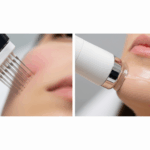
💡 Note: PRP is sometimes marketed as a “vampire facial” when paired with microneedling, but whether it’s used for skin rejuvenation or hair restoration, the core treatment remains the same—platelet-rich plasma derived from your own blood.
The Benefits of PRP for Skin Rejuvenation
When used on the face, PRP helps repair and regenerate skin from within. The key PRP facial benefits include:
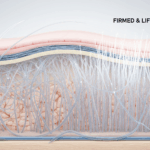
- Boosting Collagen and Elastin: PRP stimulates new collagen and elastin, improving skin thickness, firmness, and elasticity.
- Improving Skin Texture and Tone: By promoting cell turnover and repair, PRP can reduce fine lines, wrinkles, and acne scars.
- Enhancing Radiance: Increased blood flow and cellular activity can create a more vibrant, glowing complexion.
PRP works best as part of a comprehensive anti-aging plan, complementing daily skincare and professional treatments like those covered in our Ultimate Guide to Treating Sagging Skin.
PRP for Hair Loss: What the Research Shows
One of the most exciting uses of PRP is in treating hair thinning and loss, especially in androgenetic alopecia (pattern baldness). The growth factors in plasma may stimulate dormant or shrinking hair follicles, encouraging them to re-enter the active growth phase and produce thicker, healthier strands.
Scientific evidence is promising. A study published in the National Institutes of Health (NIH) library found that PRP led to a significant increase in both hair count and density in patients with hair loss. While research is ongoing, PRP is now considered one of the leading non-surgical options for hair restoration.
What to Expect from PRP Treatment
It’s important to maintain realistic expectations. PRP is not a one-time miracle cure.
- Series of Treatments Required: For both skin and hair, most patients need 3–4 sessions, spaced about 4–6 weeks apart, to see noticeable results.
- Gradual Results: Because the treatment relies on your body’s healing response, improvements appear gradually over several weeks to months.
- Ongoing Maintenance: To maintain results, follow-up sessions once or twice a year are generally recommended.
PRP is often combined with other cosmetic procedures. For skin, it pairs well with treatments discussed in our Microneedling vs. Radiofrequency guide.
Frequently Asked Questions (FAQs)
Q1: Is PRP treatment safe?
A: Yes. Since PRP uses your own blood, the risk of allergic reaction or rejection is almost zero. The main side effects are mild bruising, swelling, or soreness at injection sites, which typically resolve quickly.
Q2: Does PRP hurt?
A: For facial treatments, a numbing cream is applied beforehand for comfort. For scalp treatments, local anesthetic may be used. Most people report only mild discomfort.
Q3: Who is a good candidate for PRP?
A: Healthy individuals seeking a natural approach to skin rejuvenation or in the early to moderate stages of hair thinning typically benefit most. PRP is less effective for those with complete baldness or severe skin sagging.