For decades, Vitamin C has been celebrated as skincare’s brightening hero — but new scientific insights show it may do much more. Research suggests that vitamin c reverse saggy skin effects are linked to its ability to strengthen collagen, fight oxidative stress, and restore elasticity. According to a review published in the journal Nutrients, Vitamin C is naturally concentrated in healthy skin where it supports collagen synthesis, neutralizes UV-induced damage, and helps maintain the skin’s barrier and structure. As we age or face environmental stress, these Vitamin C levels decline, leading to weaker collagen networks and visible sagging.
Building on that foundation, a new study from the Tokyo Metropolitan Institute for Geriatrics and Gerontology reveals that Vitamin C may go even further — helping to reactivate genes that drive skin renewal and rebuild firmness from within. Together, these findings are reshaping how dermatologists understand Vitamin C’s power to both protect and rejuvenate the skin at a cellular level.
The Science: Vitamin C May “Reprogram” Aging Skin
According to the report published in The Journal of Investigative Dermatology and summarized by ScienceDaily, Vitamin C doesn’t just protect your cells — it reactivates genes responsible for youthful cell growth.
- A visibly thicker epidermis (outer skin layer)
- Higher counts of Ki-67 positive cells, indicating renewed cellular activity
- Activation of key “youth genes” through DNA demethylation, where Vitamin C helps unlock regeneration pathways
When scientists blocked a class of enzymes called TETs, which need Vitamin C to function, the rejuvenating effect disappeared — proving Vitamin C is essential for this gene-reactivating process (PubMed).
What Experts Say: A Step Beyond Antioxidants
In a UPMC HealthBeat review, dermatologists explain that Vitamin C’s antioxidant powers are only part of its value. It also acts as a cofactor in collagen synthesis, enabling enzymes to link and stabilize collagen fibers — the protein network that keeps skin firm and elastic.
How Vitamin C supports skin firmness:
- Boosts collagen production — essential for tightening sagging or thinning skin.
- Reduces oxidative stress — neutralizing free radicals from sunlight, pollution, and daily life.
- Improves barrier function — enhancing hydration and smoothness.
- Fades dark spots — by inhibiting tyrosinase, an enzyme that triggers melanin overproduction.
Clinical Proof: Vitamin C Works on Real Skin
Decades of dermatology research confirm that Vitamin C visibly improves photoaged skin and helps rebuild firmness from within.
- A controlled human trial showed Vitamin C reduced fine lines and roughness while increasing collagen mRNA expression (PubMed).
- A meta-analysis of 10% ascorbic acid formulas found significant improvements in wrinkle depth and elasticity after 12 weeks (MDPI Antioxidants Journal).
- Combined oral and topical supplementation has been linked to increased dermal density and reduced signs of sagging (PMC).
- Harvard Health reports that daily Vitamin C use for three months smooths fine lines and uneven tone, especially when paired with sunscreen.
How to Choose and Use Vitamin C Effectively
What to look for in a Vitamin C product:
- L-Ascorbic Acid (10–20%) — the most researched and active form.
- Stable derivatives (Magnesium Ascorbyl Phosphate, Sodium Ascorbyl Phosphate) if your skin is sensitive.
- Antioxidant partners like Vitamin E and Ferulic Acid for better stability.
- Opaque, air-tight packaging — amber glass or pump dispensers are best.
Application tips:
- Apply after cleansing and before moisturizer.
- Use in the morning under sunscreen for best protection.
- If irritation occurs, start every other day and build tolerance.
- Store away from heat and sunlight.
How Vitamin C Addresses Sagging Skin
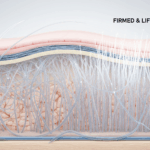
Sagging occurs when collagen and elastin fibers break down faster than they are replaced. Vitamin C targets this issue on several levels:

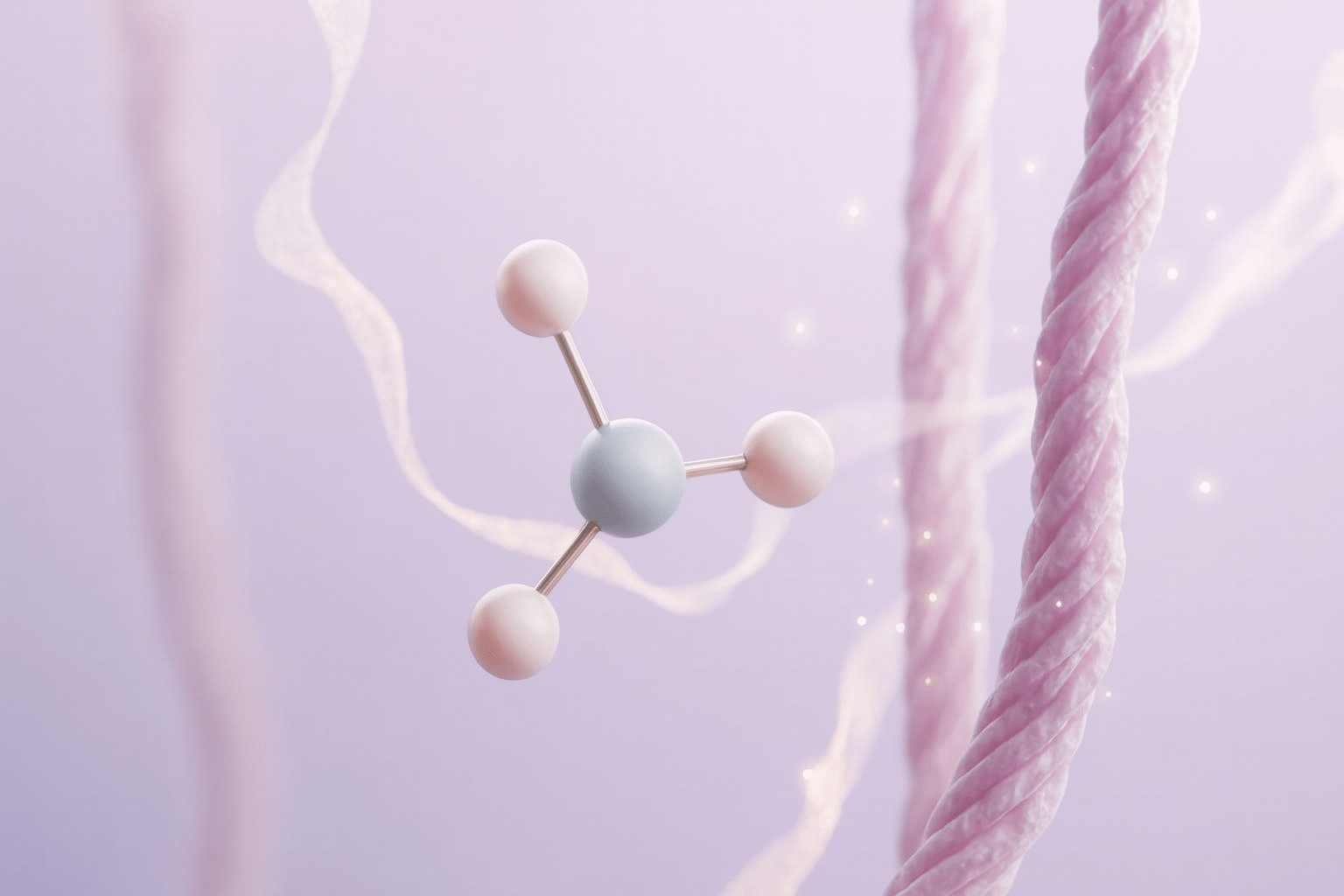
- Reinforces the collagen matrix — strengthens the skin’s internal scaffold.
- Stimulates fibroblast activity — boosts collagen production naturally.
- Reduces glycation — prevents stiffening and collapse of collagen fibers.
- Improves microcirculation — delivers oxygen and nutrients for firmer skin.
Expert Insight: Why This Discovery Matters
Dr. Nina Shapiro, professor at UCLA, notes: “Vitamin C has always been essential for collagen formation, but this emerging genetic research takes its role to another level.”
By influencing DNA activity through TET-enzyme pathways, Vitamin C could be bridging nutrition and epigenetics — showing how lifestyle and skincare ingredients directly affect gene expression.
Dermatologists emphasize that while lab results are early, they strengthen the case for consistent daily use of Vitamin C, both topically and through diet. Foods rich in Vitamin C — citrus, kiwi, berries, and broccoli — complement your skincare routine by supporting collagen from within.
How to Combine Vitamin C with Other Actives
| Ingredient | Combination Benefit | Usage Tip |
|---|---|---|
| Hyaluronic Acid | Deep hydration, plumper look | Apply after Vitamin C |
| Niacinamide | Barrier repair, redness control | Use in a separate layer if sensitive |
| Retinol | Anti-aging synergy, boosts cell turnover | Use retinol at night, Vitamin C in the morning |
| Peptides | Supports collagen and elasticity | Can layer together or alternate daily |
Cautions and Realistic Expectations
- The gene-reactivation study used skin models, not full human trials.
- Results depend on consistent use — collagen takes time to rebuild.
- Overuse can irritate; moderation yields the best results.
- Always patch-test new serums before applying to the entire face.
Final Takeaway
Vitamin C has long been the cornerstone of bright, even skin tone — but new evidence suggests it may go further, helping reverse sagging, rebuild collagen, and even influence gene activity linked to youthful skin renewal. For anyone serious about slowing visible aging, few ingredients have this combination of clinical support, safety, and biological depth.
Start simple: one well-formulated Vitamin C serum, used daily, can spark a visible transformation over time — and, as research now shows, may even work at the genetic level to keep your skin firmer, thicker, and more resilient.