Last Updated: October 2024
Saggy skin affects millions of people worldwide, causing distress that extends far beyond physical appearance. Whether you’re noticing the first signs of skin laxity in your thirties or dealing with more advanced sagging later in life, understanding the underlying causes and available solutions empowers you to make informed decisions about your skincare journey. This comprehensive guide examines everything you need to know about preventing, treating, and managing skin sagging through evidence-based approaches that deliver real results.
Skin sagging represents a complex process involving multiple structural changes within the skin’s layers. While aging serves as the primary culprit, numerous other factors contribute to loss of firmness including genetics, environmental damage, lifestyle choices, and significant weight fluctuations. The good news is that modern skincare science has Complete Saggy Skin Solutions using professional treatments, and lifestyle modifications can significantly improve skin laxity, restoring a more youthful, lifted appearance regardless of where you are in your journey.
This ultimate guide breaks down the science behind skin sagging, explores the most effective topical treatments including targeted serums and specialized creams, examines professional procedures that deliver dramatic results, and provides actionable lifestyle strategies to support your skin from within. Whether you’re seeking preventative measures or solutions for existing concerns, this resource will help you develop a comprehensive approach tailored to your specific needs and goals.
Complete Saggy Skin Solutions: Professional Procedures
Before exploring the Complete Saggy Skin Solutions, understanding what causes skin to lose its firmness and elasticity helps you target the root causes effectively. Skin sagging results from complex structural changes occurring at multiple levels within the skin’s architecture.
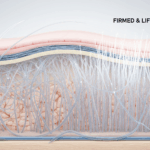
Collagen forms the primary structural protein providing strength and support to the skin. This fibrous protein creates a network throughout the dermis, the middle layer of skin, functioning like scaffolding that holds everything in place. Around age 25, the body’s natural collagen production begins declining at a rate of approximately 1-2% annually. By age 40, most people have lost about 20% of their collagen, increasing to 30% by age 50. This progressive loss weakens the skin’s structural integrity, causing it to gradually thin and sag.
Elastin works alongside collagen to provide the skin’s characteristic ability to stretch and snap back. Think of elastin fibers as springs that allow skin to bounce back after being stretched or compressed. Unfortunately, elastin is even more vulnerable to damage than collagen. UV radiation, smoking, and environmental pollutants break down elastin fibers, causing them to lose their spring-like properties. Once damaged, elastin cannot be repaired or regenerated as effectively as collagen, making prevention crucial for maintaining skin elasticity.
Hyaluronic acid represents another critical component affecting skin’s appearance and firmness. This moisture-binding molecule can hold up to 1,000 times its weight in water, creating the plump, hydrated appearance associated with youthful skin. As we age, the skin’s ability to produce and retain hyaluronic acid diminishes, leading to dehydration that makes sagging more pronounced. Dehydrated skin appears thinner and more crepey, exacerbating the appearance of structural laxity.
Fat redistribution and bone resorption contribute significantly to facial sagging specifically. The face contains fat pads in the cheeks, temples, and jawline that provide volume and support to overlying skin. As these fat pads diminish with age, the skin loses its underlying scaffold, causing it to droop. Additionally, facial bones gradually shrink over time, further reducing support structures and allowing skin to sag. This explains why facial sagging often appears more dramatic than sagging on other body areas.
Gravity continuously pulls downward on all structures, including skin. While we can’t eliminate gravity’s effects, maintaining strong collagen and elastin networks helps skin resist gravitational pull more effectively. When these structural proteins weaken, gravity accelerates visible sagging, particularly in areas like the jowls, neck, and under the eyes where skin is thinnest.
Learn more about collagen and skin health and understanding skin aging on VivantBeauty.com.
Primary Causes and Risk Factors for Saggy Skin
While natural aging remains the primary cause of skin sagging, numerous other factors accelerate or exacerbate this process. Understanding your personal risk factors helps you prioritize preventative strategies and choose the most appropriate treatments.
Intrinsic aging refers to the genetically programmed decline in cellular function that occurs naturally over time. This type of aging begins in your twenties and progresses gradually throughout life. The rate of intrinsic aging varies significantly among individuals based on genetic factors, explaining why some people maintain firmer skin longer than others with similar lifestyles. While you cannot change your genetics, understanding your family history of skin aging can help you set realistic expectations and begin preventative care earlier.
Extrinsic aging stems from environmental and lifestyle factors that accelerate the natural aging process. Sun exposure stands as the most significant contributor to premature skin aging, including sagging. UV radiation generates free radicals that damage collagen and elastin while also triggering enzymes called matrix metalloproteinases that actively break down these structural proteins. Studies show that sun-exposed skin ages significantly faster than sun-protected skin, with cumulative damage becoming apparent after years of exposure. This explains why the face, neck, and hands often show more dramatic aging than covered areas like the abdomen.
Smoking accelerates skin aging through multiple mechanisms. Nicotine constricts blood vessels, reducing oxygen and nutrient delivery to skin cells. The repetitive facial movements associated with smoking create dynamic wrinkles around the mouth. Additionally, the thousands of chemicals in tobacco smoke generate massive amounts of free radicals that overwhelm the skin’s natural antioxidant defenses, leading to accelerated collagen and elastin breakdown. Smokers develop noticeably more sagging and wrinkles than non-smokers of the same age, with damage that begins within the first years of tobacco use.
Significant weight loss, particularly rapid or substantial loss exceeding 100 pounds, commonly results in excess skin that lacks the elasticity to contract fully. When you gain weight, skin expands to accommodate increased volume. If weight gain occurred over extended periods, collagen and elastin fibers stretch beyond their capacity to fully recover. The extent of sagging after weight loss depends on several factors including the amount lost, how quickly it was lost, age at the time of loss, genetics, and skin quality before weight gain. Younger individuals generally experience better skin contraction than older adults due to higher collagen production capacity.
Pregnancy creates similar challenges, as skin stretches significantly to accommodate the growing baby. Most women experience some degree of abdominal skin laxity after pregnancy, with severity depending on factors including maternal age, number of pregnancies, multiple births, genetics, and pre-pregnancy skin quality. While some natural tightening occurs in the months following delivery, many women find that skin never fully returns to its pre-pregnancy state, particularly after multiple pregnancies.
Poor nutrition deprives skin of essential building blocks needed for collagen synthesis and repair. Inadequate protein intake limits availability of amino acids required to build new collagen. Deficiencies in vitamin C prevent proper collagen assembly, as this vitamin serves as a crucial cofactor in collagen synthesis. Excessive sugar consumption causes glycation, a process where sugar molecules bind to collagen fibers making them stiff and prone to breakage. A diet lacking in antioxidants leaves skin vulnerable to free radical damage that accelerates aging.
Chronic stress elevates cortisol levels persistently, which breaks down collagen and impairs the skin’s ability to repair itself. Stress also triggers inflammatory processes throughout the body, including the skin, accelerating aging at the cellular level. Additionally, stress often leads to poor sleep quality, further compromising skin’s regenerative processes that occur primarily during deep sleep.
Dehydration affects skin’s appearance dramatically. When the body lacks adequate water, skin becomes the last system to receive hydration, as vital organs take priority. Chronically dehydrated skin appears thinner, more crepey, and emphasizes underlying structural sagging. While topical hydration helps, internal hydration provides the foundation for plump, healthy skin.
Explore our guides on lifestyle factors affecting skin and preventing premature aging.
Best Topical Treatments for Saggy Skin-Complete Saggy Skin Solutions
Topical treatments offer complete saggy skin solutions that are accessable, non-invasive solutions that can deliver significant improvements when used consistently over time. While no cream or serum can completely reverse advanced sagging, well-formulated products can noticeably improve firmness, texture, and overall skin quality.
Collagen-Boosting Serums
Collagen-boosting serums form the cornerstone of any anti-sagging skincare routine. Since collagen molecules themselves are too large to penetrate skin, effective serums work through alternative mechanisms. Peptides serve as the most proven collagen-boosting ingredients in topical skincare. These short chains of amino acids penetrate the skin and send signals to fibroblasts instructing them to produce more collagen.
Matrixyl 3000 stands out as one of the most extensively researched peptide complexes, combining palmitoyl tripeptide-1 and palmitoyl tetrapeptide-7. Multiple studies demonstrate its ability to stimulate collagen and elastin production, with visible improvements in wrinkle depth and skin firmness after consistent use. Products containing at least 3-5% Matrixyl 3000 deliver optimal results.
Copper peptides offer dual benefits by stimulating collagen production while also supporting wound healing and skin repair. These peptides bind copper ions, creating a complex that activates genes responsible for collagen synthesis. Additionally, copper peptides provide antioxidant protection, defending newly synthesized collagen from free radical damage. Users often report improvements in overall skin quality, firmness, and healing capacity.
Palmitoyl pentapeptide-4, marketed as Matrixyl or Matrixyl synthe’6, represents another powerful collagen-stimulating peptide. This ingredient has shown particular effectiveness in reducing the appearance of deep wrinkles and improving skin thickness. It works by mimicking the skin’s natural repair processes, triggering increased collagen production as if responding to injury.
When selecting a collagen-boosting serum, look for formulations that combine multiple peptides with complementary ingredients like hyaluronic acid for immediate hydration and plumping, niacinamide to support skin barrier function, and antioxidants to protect against collagen degradation. Apply these serums twice daily to clean skin for optimal absorption and consistent stimulation of collagen synthesis.
Discover our comprehensive reviews of the best collagen serums, top peptide serums, and firming serums compared.
Retinoid Treatments
Retinoids remain the gold standard in anti-aging skincare, backed by decades of research demonstrating their effectiveness. These vitamin A derivatives work through multiple mechanisms to combat skin sagging. Retinoids increase cell turnover, stimulate collagen production, improve skin thickness, enhance blood flow, and prevent collagen breakdown.
Prescription retinoids like tretinoin deliver the most dramatic results but require medical supervision due to their potency. These medications significantly boost collagen synthesis while improving overall skin structure and function. Studies show that prescription retinoid use can increase dermal collagen by up to 80% after several months of consistent use.
Over-the-counter retinol offers a gentler alternative that doesn’t require a prescription. While less potent than prescription options, quality retinol products still deliver meaningful improvements in skin firmness and texture. Look for concentrations between 0.3% and 1% for anti-aging benefits, starting with lower percentages if you’re new to retinoids to minimize irritation.
Retinaldehyde represents a middle ground between prescription tretinoin and over-the-counter retinol, converting to retinoic acid more efficiently than retinol while causing less irritation than tretinoin. This form is particularly suitable for those with sensitive skin who want stronger results than retinol provides.
When incorporating retinoids into your routine, start slowly to allow your skin to adjust. Begin with application two to three times per week, gradually increasing to nightly use as tolerated. Always apply retinoids to completely dry skin and follow with a moisturizer to minimize irritation. Most importantly, strict sun protection is non-negotiable when using retinoids, as they increase skin’s photosensitivity. Allow eight to twelve weeks of consistent use before evaluating results, as collagen synthesis occurs gradually.
Learn more about retinol vs. retinoids, best retinol serums, and prescription retinoids explained.
Vitamin C Serums
Vitamin C plays an indispensable role in collagen synthesis, serving as an essential cofactor in the enzymatic processes that create new collagen. Without adequate vitamin C, collagen cannot be properly assembled, regardless of how many other supportive ingredients you use. Topical vitamin C serums deliver this crucial nutrient directly to skin cells, ensuring they have what they need to produce healthy, functional collagen.
L-ascorbic acid represents the most potent and well-researched form of vitamin C for skincare. Concentrations between 10% and 20% provide optimal anti-aging benefits, with higher concentrations not necessarily offering better results. However, L-ascorbic acid is notoriously unstable, requiring careful formulation and packaging to maintain effectiveness. Look for products in opaque, airtight containers and store them away from light and heat.
Alternative vitamin C derivatives offer increased stability with slightly different benefits. Tetrahexyldecyl ascorbate is a lipid-soluble form that penetrates deeply into skin and converts to pure vitamin C once absorbed. Ascorbyl glucoside represents another stable option that provides antioxidant benefits while supporting collagen production. These derivatives may be particularly suitable for sensitive skin types who cannot tolerate the acidity of L-ascorbic acid.
Vitamin C’s antioxidant properties complement its collagen-building benefits. By neutralizing free radicals generated by UV exposure, pollution, and normal cellular metabolism, vitamin C protects both existing collagen and newly synthesized proteins from oxidative damage. This dual action makes vitamin C serums essential partners to collagen-boosting peptides and retinoids.
Apply vitamin C serum in the morning after cleansing and before sunscreen, as it enhances sun protection when used together with SPF. The combination of vitamin C’s antioxidant protection and physical sun blocking provides comprehensive defense against collagen-degrading UV damage. Pair vitamin C with ferulic acid and vitamin E for enhanced stability and antioxidant benefits, a combination that has shown superior photoprotection in research studies.
Explore our reviews of best vitamin C serums, vitamin C benefits, and antioxidant serums.
Hyaluronic Acid Products
While hyaluronic acid doesn’t directly stimulate collagen production, it plays a crucial supporting role in any anti-sagging routine. This moisture-binding molecule creates immediate plumping effects that make skin appear firmer and smoother while also providing an optimal environment for collagen synthesis. Hydrated skin is healthy skin, and healthy skin produces more collagen.
Multiple molecular weights of hyaluronic acid provide comprehensive hydration at various depths. Low molecular weight hyaluronic acid penetrates deeper into the dermis, providing structural hydration, while high molecular weight forms remain on the surface, creating a protective, moisture-retaining barrier. Products containing a range of molecular weights ensure hydration at all skin levels.
Sodium hyaluronate, the salt form of hyaluronic acid, offers slightly better penetration and stability than pure hyaluronic acid. Many high-quality serums use sodium hyaluronate for these advantages, though both forms provide excellent hydration benefits. Apply hyaluronic acid serum to damp skin for maximum effectiveness, as it binds to water molecules present on the skin’s surface.
Hyaluronic acid pairs beautifully with all other anti-aging ingredients, enhancing their effectiveness by creating an optimal hydration environment. Use it morning and evening, applying it after cleansing but before heavier serums and moisturizers. The immediate plumping effect provides instant gratification while supporting the long-term collagen-building benefits of your other treatments.
Polyglutamic acid represents a newer hydrating ingredient that may be even more effective than hyaluronic acid. This naturally derived polymer can hold more water than hyaluronic acid while also inhibiting its breakdown in the skin. Look for products combining both ingredients for maximum hydration benefits.
Discover best hyaluronic acid serums, hydration guide, and plumping serums.
Niacinamide Treatments
Niacinamide, also known as vitamin B3, has emerged as a skincare superstar due to its multiple benefits and exceptional tolerability. While not directly stimulating collagen production, niacinamide supports skin firmness through various mechanisms including strengthening the skin barrier, reducing inflammation, improving skin texture, and enhancing the effectiveness of other anti-aging ingredients.
A strong skin barrier is essential for maintaining firmness and elasticity. Niacinamide increases ceramide production in the skin, strengthening the lipid barrier that prevents moisture loss and protects against environmental damage. This improved barrier function helps skin retain the hydration necessary for optimal collagen synthesis while defending against external factors that accelerate aging.
Research shows that niacinamide can improve skin elasticity and reduce the appearance of fine lines with regular use. While the mechanism isn’t fully understood, it appears to work by stimulating fibroblast activity and supporting overall skin health. Concentrations between 2% and 5% provide optimal benefits for anti-aging purposes, with higher concentrations not necessarily offering better results.
Niacinamide’s anti-inflammatory properties make it particularly valuable for those with sensitive skin or inflammatory conditions that might prevent use of more aggressive anti-aging ingredients. By calming inflammation, niacinamide creates a healthier environment for skin repair and regeneration. It also helps reduce redness and even out skin tone, improving overall appearance beyond just addressing sagging.
This versatile ingredient plays well with virtually all other skincare actives, making it easy to incorporate into any routine. Apply niacinamide serum morning and evening after cleansing, either alone or layered with other treatments. It can be used alongside vitamin C, retinoids, peptides, and acids without risk of negative interactions or reduced effectiveness.
Learn about niacinamide benefits, best niacinamide serums, and combination treatments.
Neck and Décolletage Specific Creams
The neck and chest area require special attention as these zones often show aging earlier and more dramatically than the face. The skin on the neck is thinner and has fewer oil glands than facial skin, making it more prone to sagging, crepiness, and wrinkle formation. Specialized neck creams typically contain higher concentrations of firming ingredients tailored to address these specific concerns.
Effective neck creams combine multiple approaches including peptides to stimulate collagen, retinoids to increase cell turnover, intensive moisturizers to address the area’s inherent dryness, and firming botanicals like DMAE or plant extracts. Look for richer textures than typical facial serums, as the neck benefits from more emollient formulations.
Application technique matters significantly for neck treatments. Apply products using upward strokes from the chest to the jawline, working against gravity. Take care to cover the entire neck including the sides and back, as these areas also show aging. Don’t forget the décolletage, as this area is equally prone to sagging and sun damage due to frequent exposure.
Consistency proves especially important for neck treatments, as this area responds more slowly to topical interventions than the face. Many people neglect their neck in their skincare routine until significant sagging has already occurred. Ideally, begin using neck-specific treatments in your thirties as a preventative measure, or start immediately if you’re noticing concerns regardless of age.
Sun protection for the neck and chest is absolutely critical. These areas receive significant UV exposure yet are often neglected during sunscreen application. Make it a habit to extend your facial sunscreen down to your chest, reapplying throughout the day just as you would for your face.
Explore our guides to best neck creams, décolletage care, and neck skincare routine.
Growth Factors and Stem Cell Serums
Cutting-edge skincare formulations increasingly incorporate growth factors and stem cell-derived ingredients that communicate with skin cells to promote repair and regeneration. These advanced ingredients represent some of the most innovative approaches to addressing skin sagging through topical treatments.
Growth factors are naturally occurring proteins that regulate cellular processes including proliferation, differentiation, and migration. In skincare, growth factors signal skin cells to behave more youthfully, increasing collagen production, improving cellular turnover, and enhancing overall skin quality. Products may contain human-derived, plant-derived, or synthetic growth factors, all of which can deliver anti-aging benefits.
Epidermal Growth Factor (EGF) has shown particular promise in stimulating skin regeneration and collagen synthesis. Studies demonstrate that topical EGF can improve skin thickness, elasticity, and overall appearance of aging. Look for products containing EGF at concentrations of at least 10 parts per million for meaningful benefits.
Stem cell technology in skincare typically refers to ingredients derived from plant stem cells rather than human stem cells. These botanical extracts contain growth factors and antioxidants that may support skin cell health and longevity. While research is still emerging, early studies show promise for ingredients like apple stem cells, grape stem cells, and edelweiss stem cells in improving skin firmness and reducing visible aging.
Growth factor serums often come with premium price tags due to the complex and expensive process of extracting and stabilizing these delicate proteins. However, for those seeking cutting-edge solutions and willing to invest in their skincare, these products can provide results that bridge the gap between traditional topicals and professional treatments.
Apply growth factor serums after cleansing and toning but before heavier creams, allowing these powerful signaling molecules to penetrate effectively. Use consistently for at least three months to evaluate results, as cellular changes occur gradually over time.
Discover more about growth factor serums, stem cell skincare, and advanced anti-aging.
Professional Procedures for Saggy Skin
While topical treatments provide valuable maintenance and mild to moderate improvements, professional procedures Professional procedures provide complete saggy skin solutions for moderate to severe cases delivering more dramatic results for significant skin laxity. These treatments work through various mechanisms to tighten skin, stimulate collagen production, and restore a more youthful contour.
Radiofrequency and Ultrasound Treatments
Radiofrequency (RF) and ultrasound technologies represent the gold standard in non-invasive skin tightening. These energy-based treatments heat the deep layers of the skin, causing immediate collagen contraction and triggering long-term collagen remodeling that continues improving results for months after treatment.
Thermage stands as one of the most established RF treatments, using monopolar radiofrequency to heat tissue deep in the dermis. A single treatment can deliver visible tightening that continues improving for up to six months as new collagen forms. Results typically last one to two years, with maintenance treatments recommended to sustain benefits. Thermage works well for mild to moderate sagging on the face, neck, and body.
Ultherapy uses focused ultrasound energy to target the same tissue layers addressed in surgical facelifts, specifically the superficial musculo-aponeurotic system (SMAS). This treatment allows precise depth control, delivering energy exactly where needed to achieve optimal lifting. Ultrasound visualization during treatment ensures accurate targeting. Ultherapy is particularly effective for lifting the brow, jowls, and neck, with results developing gradually over two to three months.
Profound RF combines microneedling with radiofrequency energy, delivering precise heating to the dermis while creating controlled microinjuries that trigger additional collagen production. This dual mechanism can deliver more dramatic results than surface RF treatments alone. Profound is FDA-cleared to improve wrinkles and cellulite while providing skin tightening benefits.
Most patients require only one treatment session with these technologies, though results vary based on individual skin quality and degree of laxity. Some downtime occurs, typically involving redness, swelling, and mild discomfort for several days. However, these treatments require no incisions or anesthesia, making them attractive alternatives to surgery.
Learn about radiofrequency treatments, ultrasound skin tightening, and non-surgical facelifts.
Microneedling and RF Microneedling
Microneedling creates controlled microinjuries in the skin using fine needles, triggering the wound healing response that stimulates collagen and elastin production. As the skin repairs these tiny injuries, it produces new structural proteins that improve firmness, texture, and overall appearance.
Traditional microneedling involves mechanical needles that puncture the skin to a controlled depth. The procedure is typically performed in a series of three to six treatments spaced four to six weeks apart. Results develop gradually as new collagen forms, with improvements continuing for several months after the final treatment. Microneedling works well for fine lines, texture issues, and mild laxity.
RF microneedling combines the benefits of microneedling with radiofrequency energy delivered through the needles directly into the dermis. This dual approach provides superior results compared to microneedling alone, as the thermal energy adds an additional collagen-stimulating mechanism. Popular RF microneedling devices include Morpheus8, Profound, and Genius.
Morpheus8 deserves special mention for its ability to treat at multiple depths, from superficial to deep tissue. This versatility allows customized treatment addressing both surface texture concerns and deeper structural laxity. Morpheus8 can be used on the face, neck, and body, making it a comprehensive solution for sagging in various areas.
Downtime for microneedling procedures typically involves redness and mild swelling for one to three days, with full recovery within a week. Multiple treatment sessions are usually necessary for optimal results, with maintenance treatments recommended annually. These procedures are suitable for all skin types and can be customized to address individual concerns.
Discover guides to microneedling benefits, RF microneedling, and Morpheus8 treatment.
Laser Resurfacing
Laser treatments address skin aging through ablative or non-ablative mechanisms. Ablative lasers remove the outer layers of skin, triggering substantial collagen production during the healing process. Non-ablative lasers heat tissue beneath the surface without removing skin, providing tightening with less downtime.
Fractional CO2 laser represents the gold standard in ablative resurfacing for dramatic skin tightening and wrinkle reduction. This treatment creates thousands of microscopic treatment zones, removing aged skin columns while leaving surrounding tissue intact to facilitate rapid healing. The substantial collagen remodeling that follows delivers significant improvements in firmness, texture, and overall skin quality. However, recovery typically requires one to two weeks, with redness persisting for several weeks.
Erbium lasers offer a gentler ablative option with faster healing than CO2 lasers. While results may be somewhat less dramatic, erbium treatments still deliver meaningful improvements in skin tightness and texture with reduced downtime. These lasers work particularly well for the delicate skin around the eyes and neck.
Non-ablative fractional lasers like Fraxel create heat in the dermis without damaging the epidermis, stimulating collagen production with minimal visible injury. These treatments require less downtime than ablative options, typically causing only redness and mild swelling for a few days. Multiple treatment sessions are usually necessary for optimal results, spaced four to six weeks apart.
Laser treatments can be customized to address specific concerns and skin types. Consultation with an experienced provider helps determine which technology and treatment parameters best suit your needs. Fair-skinned individuals typically have more laser options available, while those with darker skin types require more careful device selection to avoid pigmentation changes.
Learn about laser skin tightening, CO2 laser resurfacing, and choosing the right laser.
Thread Lifts
Thread lifts provide mechanical lifting through the insertion of dissolvable sutures under the skin. These sutures physically elevate sagging tissue while stimulating collagen production around the threads as they dissolve over time. Thread lifts offer a minimally invasive alternative to surgical facelifts, with immediate results and continued improvement as collagen forms.
PDO (polydioxanone) threads represent the most common type used in aesthetic medicine. These absorbable sutures dissolve gradually over six to nine months, but the collagen stimulated by their presence continues providing structure and support. Different thread types serve different purposes: barbed threads provide immediate lifting by catching and elevating tissue, smooth threads stimulate collagen without mechanical lifting, and screw or tornado threads provide volume in addition to tightening.
Thread lift procedures are typically performed under local anesthesia in a medical office setting. The provider inserts threads through small puncture points using a cannula or needle, placing them in strategic patterns to achieve optimal lifting. The entire procedure usually takes 30 to 60 minutes depending on the treatment area and number of threads used.
Results appear immediately as threads physically lift tissue, with continued improvement over the following weeks as swelling subsides and collagen forms. Most patients can return to normal activities within a few days, though some swelling, bruising, and tenderness is common. Results typically last six to twelve months, with some patients experiencing benefits up to 18 months.
Thread lifts work best for mild to moderate sagging and are particularly effective for the mid-face, jowls, and brow area. They can be combined with other treatments like RF or fillers for comprehensive facial rejuvenation. Ideal candidates have relatively good skin quality with mild to moderate laxity rather than advanced sagging.
Explore thread lift procedures, PDO threads explained, and non-surgical lifting options.
Injectable Treatments
While not traditional skin tightening procedures, strategic use of injectable treatments can create the appearance of firmer skin by restoring lost volume and providing structural support. These treatments work particularly well when combined with actual tightening procedures for comprehensive facial rejuvenation.
Dermal fillers replace lost volume that occurs with aging, particularly in areas like the cheeks, temples, and jawline. By restoring this support, fillers can reduce the appearance of sagging and create a lifted, more youthful contour. Hyaluronic acid fillers like Juvederm Voluma, Restylane Lyft, and Sculptra specifically target volume loss and provide long-lasting results.
Sculptra deserves special mention as a collagen-stimulating filler that works differently from traditional hyaluronic acid products. This poly-L-lactic acid (PLLA) filler stimulates gradual collagen production over several months, providing natural-looking volume restoration that can last two years or more. Sculptra is particularly effective for addressing mid-face volume loss and improving overall facial contours.
Neuromodulators like Botox, Dysport, and Xeomin don’t directly tighten skin but can create a lifting effect by relaxing muscles that pull downward. Strategic placement in areas like the masseter muscles, brow, and neck can subtly lift and contour the face. The Nefertiti lift, which involves treating neck muscles, can improve jawline definition and reduce the appearance of neck sagging.
Combining injectables with skin tightening procedures often delivers superior results compared to either treatment alone. For example, using fillers to restore cheek volume while performing RF treatment to tighten skin creates comprehensive mid-face rejuvenation addressing both volume loss and skin laxity.
Learn about dermal fillers, Sculptra treatments, and injectable combinations.
Surgical Options
For advanced skin sagging that cannot be adequately addressed with non-invasive treatments, surgical procedures remain the most effective solution. While surgery involves more risk, expense, and recovery time, results are typically more dramatic and longer-lasting than other options.
A traditional facelift addresses sagging in the lower face and neck by removing excess skin and tightening underlying muscle and tissue. This comprehensive procedure can turn back the clock by ten to fifteen years, with results lasting seven to ten years or longer. Modern facelift techniques focus on natural-looking results that don’t appear obviously “done.”
Mini facelifts or limited-incision facelifts target specific areas of concern with smaller incisions and less extensive tissue manipulation. These procedures work well for younger patients with mild to moderate sagging or those seeking to address specific areas like the jowls or neck without full facelift surgery.
Neck lifts specifically address sagging and banding in the neck area through platysmaplasty (tightening neck muscles), removing excess fat, and trimming loose skin. Neck lifts can be performed alone or combined with facelift surgery for comprehensive lower face and neck rejuvenation.
Eyelid surgery (blepharoplasty) corrects sagging and excess skin around the eyes, which can create a tired or aged appearance. Upper eyelid surgery removes excess skin that may impair vision or create hooding, while lower eyelid surgery addresses bags and sagging under the eyes.
Arm lifts (brachioplasty) and body lifts address significant skin sagging on the body, particularly after massive weight loss. These procedures involve larger incisions and more extensive recovery but can dramatically improve quality of life for those struggling with excess skin that interferes with daily activities.
Surgical consultation with a board-certified plastic surgeon helps determine which procedures best address your concerns. Discuss realistic expectations, recovery timelines, and potential risks to make an informed decision about whether surgery is right for you.
Discover facelift options, neck lift procedures, and choosing a plastic surgeon.
Lifestyle Strategies to Support Skin Firmness
Topical treatments and professional procedures deliver impressive results, but Supporting your skin from within through lifestyle modifications provides complete saggy skin solutions alongside topical treatments maximizes and maintains those improvements. These strategies address the root causes of skin aging, helping you achieve and maintain firmer, healthier skin long-term.
Sun Protection: The Non-Negotiable Foundation
Sun protection represents the single most important factor in preventing and slowing skin sagging. UV radiation breaks down collagen and elastin while generating free radicals that accelerate aging at the cellular level. Studies consistently show that people who practice diligent sun protection maintain firmer, more youthful skin compared to those with unprotected sun exposure.
Apply broad-spectrum sunscreen with SPF 30 or higher every single day, regardless of weather or season. UV radiation penetrates clouds and windows, causing cumulative damage even on overcast days or while indoors near windows. Reapply every two hours during extended outdoor exposure and immediately after swimming or sweating.
Physical sunscreens containing zinc oxide or titanium dioxide provide the broadest spectrum protection and the most photo-stable formulas. These mineral filters sit on the skin’s surface, reflecting UV radiation away rather than absorbing it. Chemical sunscreens work well too, particularly newer formulations with improved elegance and stability.
Supplement sunscreen with physical protection including wide-brimmed hats, sun-protective clothing with UPF ratings, seeking shade during peak UV hours (10 AM to 4 PM), and wearing sunglasses to protect delicate eye area skin. Consider UV-protective window film for your car and home to reduce incidental exposure during daily activities.
The benefits of sun protection accumulate over time. Even if you have significant sun damage already, starting diligent protection now prevents additional damage and allows your skin to begin its natural repair processes. It’s never too late to start protecting your skin from further UV-induced collagen breakdown.
Learn more about sun protection strategies, choosing the best sunscreen, and UV damage prevention.
Nutrition for Collagen Support
What you eat directly impacts your skin’s ability to produce and maintain collagen. Providing your body with the necessary building blocks and cofactors for collagen synthesis supports firm, resilient skin from within.
Protein intake is fundamental, as collagen consists entirely of amino acids derived from dietary protein. Aim for adequate protein throughout the day from sources like lean meats, fish, eggs, legumes, and dairy. Collagen and gelatin supplements may provide additional benefits, with some studies showing improvements in skin hydration and elasticity after consistent supplementation.
Vitamin C stands as the most critical nutrient for collagen synthesis, serving as an essential cofactor in the enzymatic processes that assemble collagen molecules. Without adequate vitamin C, collagen production essentially stops. Include vitamin C-rich foods daily including citrus fruits, berries, bell peppers, broccoli, and dark leafy greens. While topical vitamin C serums help, dietary vitamin C ensures your entire body has adequate levels for collagen production.
Copper and zinc support various stages of collagen synthesis and cross-linking. Good sources include nuts, seeds, whole grains, shellfish, and organ meats. Most people obtain adequate amounts through a varied diet, though deficiencies can impair collagen production.
Antioxidant-rich foods protect existing collagen from free radical damage while supporting overall skin health. Include colorful fruits and vegetables, green tea, dark chocolate, and other foods high in polyphenols and other protective compounds. These dietary antioxidants work synergistically with topical antioxidants for comprehensive protection.
Limit sugar and refined carbohydrates, as excess glucose causes glycation that damages collagen structure. This process creates advanced glycation end products (AGEs) that make collagen stiff and prone to breakage. Choose complex carbohydrates, pair carbs with protein and fiber to slow absorption, and minimize processed foods high in added sugars.
Healthy fats support skin barrier function and reduce inflammation. Include omega-3 fatty acids from fish, flaxseeds, and walnuts, as well as monounsaturated fats from olive oil, avocados, and nuts. These fats help maintain skin’s moisture barrier while providing anti-inflammatory benefits that support overall skin health.
Explore our guides on anti-aging nutrition, collagen-boosting foods, and supplements for skin.
Hydration and Skin Health
Adequate hydration impacts every aspect of skin function, including its ability to maintain firmness and elasticity. While topical hydration provides surface benefits, internal hydration ensures your skin has the moisture it needs at the cellular level.
Water intake requirements vary based on body size, activity level, climate, and individual factors, but most adults should aim for at least eight glasses daily. Increase intake during exercise, in hot weather, or if you consume dehydrating beverages like coffee and alcohol. Monitor your urine color as a hydration indicator, aiming for pale yellow rather than dark or concentrated.
Electrolytes help your body actually utilize the water you drink rather than simply passing through. Include electrolyte-rich foods like coconut water, fruits, vegetables, and properly mineralized water. During intense exercise or hot weather, consider electrolyte supplementation to maintain optimal hydration status.
Humidifiers can help maintain skin hydration, particularly in dry climates or during winter when indoor heating reduces humidity levels. Aim for 30-50% relative humidity in your living spaces to prevent excessive moisture loss from skin.
Limit alcohol consumption, as it acts as a diuretic increasing water loss while also causing inflammation that accelerates skin aging. If you do drink, alternate alcoholic beverages with water and ensure thorough rehydration before sleep.
Caffeine’s dehydrating effects are often overstated, but excessive consumption can impact hydration status. If you’re a heavy coffee drinker, ensure you’re consuming adequate water in addition to caffeinated beverages.
Learn about hydration for skin health, electrolyte balance, and environmental factors.
Sleep and Skin Regeneration
Sleep represents a critical period for skin repair and regeneration. During deep sleep, growth hormone levels increase, stimulating collagen production and cellular repair throughout the body including the skin. Chronic sleep deprivation impairs these processes, accelerating visible aging.
Aim for seven to nine hours of quality sleep nightly, maintaining consistent sleep and wake times even on weekends. This regularity supports your circadian rhythm, optimizing the hormonal processes that govern skin repair.
Sleep position affects facial aging, particularly for side and stomach sleepers who compress facial skin against pillows nightly. Over years, this repeated compression can contribute to wrinkle formation and asymmetrical aging. Consider training yourself to sleep on your back, or invest in a silk or satin pillowcase to reduce friction and compression if back sleeping isn’t feasible.
Create an optimal sleep environment that’s cool, dark, and quiet. Use blackout curtains or an eye mask to ensure complete darkness, which supports melatonin production. Keep bedroom temperature slightly cool, around 65-68°F, for optimal sleep quality.
Establish a relaxing bedtime routine that signals your body it’s time to wind down. This might include gentle skincare rituals, light stretching, meditation, or reading. Avoid screens for at least an hour before bed, as blue light suppresses melatonin production and delays sleep onset.
Address sleep disorders like sleep apnea or insomnia, which prevent restful, restorative sleep. Consult a healthcare provider if you consistently struggle with sleep quality despite implementing good sleep hygiene practices.
Discover guides on sleep and skin, best sleeping positions, and nighttime skincare.
Stress Management and Skin Aging
Chronic stress accelerates skin aging through multiple mechanisms including elevated cortisol levels that break down collagen, increased inflammation throughout the body including the skin, impaired skin barrier function, and reduced cellular repair capacity. Managing stress effectively supports both skin health and overall well-being.
Regular exercise provides numerous stress-reduction benefits while also supporting skin health directly. Physical activity increases blood flow, delivering oxygen and nutrients to skin cells while removing waste products. It also helps regulate stress hormones and promotes quality sleep. Aim for at least 150 minutes of moderate exercise weekly, including both cardiovascular activity and strength training.
Mindfulness practices like meditation, deep breathing, and yoga reduce stress hormone levels while promoting relaxation. Even brief daily practices can significantly impact stress resilience. Start with just five to ten minutes daily, gradually increasing as the habit becomes established.
Social connections and emotional support buffer against stress’s negative effects. Maintain relationships that uplift and support you, seek help when needed, and consider therapy or counseling for managing significant stress or anxiety.
Time management and boundary-setting prevent overwhelming stress from accumulating. Learn to say no to commitments that don’t serve your well-being, delegate tasks when possible, and prioritize activities that genuinely contribute to your life satisfaction.
Hobbies and creative pursuits provide stress relief through engagement in enjoyable, absorbing activities. Whether it’s gardening, painting, music, or any other interest, making time for activities you love reduces stress while enriching your life.
Learn about stress and skin aging, relaxation techniques, and mind-body connection.
Exercise and Skin Tone
Regular exercise benefits skin firmness through multiple mechanisms beyond stress reduction. Physical activity stimulates circulation, enhances cellular metabolism, supports hormone balance, and may directly influence collagen production through mechanical stimulation.
Cardiovascular exercise increases blood flow, delivering oxygen and nutrients essential for collagen synthesis while removing metabolic waste. This improved circulation gives skin a healthy glow while supporting its regenerative capacity. Aim for at least 30 minutes of moderate cardio most days of the week.
Strength training builds muscle mass that provides structure beneath the skin, helping to fill out areas that might otherwise appear saggy. Increased muscle tone creates a firmer, more defined appearance that complements improvements in skin tightness. Include resistance training at least twice weekly, targeting all major muscle groups.
Facial exercises remain somewhat controversial, with limited scientific evidence supporting their effectiveness. However, some studies suggest targeted facial movements may improve muscle tone and potentially support skin firmness around the jaw and neck. If interested, approach facial exercises as a supplement to rather than replacement for other anti-sagging strategies.
Yoga and Pilates offer unique benefits by combining physical movement with stress reduction and body awareness. These practices improve posture, which can significantly impact how aging appears, particularly in the neck and décolletage. Better posture reduces the constant forward pull that contributes to neck sagging while also projecting a more youthful, confident appearance.
Post-exercise skincare matters, as sweat, oil, and environmental pollutants can clog pores and irritate skin. Cleanse skin promptly after workouts, but avoid over-cleansing that strips natural oils. Apply hydrating products to support skin barrier recovery.
Discover exercise for skin, facial exercises, and active lifestyle skincare.
Avoiding Habits That Damage Skin
Eliminating behaviors that accelerate collagen breakdown is just as important as implementing positive practices. These damaging habits undermine even the best skincare routines and professional treatments.
Smoking represents one of the most destructive habits for skin health. Tobacco smoke generates massive amounts of free radicals, constricts blood vessels reducing nutrient delivery, and damages collagen and elastin directly. Smokers develop noticeably more sagging and wrinkles than non-smokers, with damage beginning within the first years of use. Quitting smoking at any age provides immediate benefits and allows skin to begin healing.
Excessive alcohol consumption dehydrates skin, triggers inflammation, and impairs nutrient absorption essential for collagen production. While moderate intake may not significantly impact skin aging, regular heavy drinking accelerates visible aging through multiple mechanisms. Limit alcohol to moderate levels or consider eliminating it entirely for optimal skin health.
Poor sleep habits, as discussed earlier, prevent the nightly repair processes essential for maintaining skin firmness. Prioritize quality sleep as a non-negotiable component of your anti-aging strategy.
Crash dieting and yo-yo weight fluctuations stretch and compress skin repeatedly, compromising its elasticity over time. If you need to lose weight, do so gradually through sustainable lifestyle changes rather than extreme restriction. This allows skin to adapt more effectively to your changing body.
Rough facial cleansing and over-exfoliation damage the skin barrier and can actually accelerate aging despite seeming like thorough skincare. Use gentle, circular motions when cleansing, pat rather than rub when drying, and limit physical exfoliation to once or twice weekly at most.
Excessive facial expressions and repetitive movements contribute to dynamic wrinkles and sagging over time. While you shouldn’t avoid expressing emotions, being aware of habits like constant squinting, frowning, or sleeping face-down on pillows can help minimize their impact.
Learn about habits damaging skin, quitting smoking for skin, and sustainable weight loss.
Prevention: Starting Early for Best Results
While this guide focuses heavily on treating existing skin sagging, prevention remains the most effective strategy. Starting preventative care in your twenties and thirties can significantly slow the progression of visible aging, potentially delaying the need for aggressive treatments by years or even decades.
Early intervention leverages your skin’s natural regenerative capacity while collagen production remains relatively robust. Preventative measures are generally gentler, less expensive, and more sustainable than corrective treatments needed once significant damage has occurred.
Begin consistent sunscreen use immediately if you haven’t already. This single habit provides more anti-aging benefit than any other skincare practice. Even young skin accumulates UV damage that manifests as premature aging later in life. Every unprotected day adds to your cumulative UV exposure, so start protecting your skin today regardless of your age.
Introduce gentle retinoids in your late twenties or early thirties to support collagen production and prevent breakdown. Start with over-the-counter retinol or prescription tretinoin at low concentrations, allowing your skin to adjust gradually. This proactive approach maintains your collagen stores rather than trying to rebuild them after significant loss has occurred.
Incorporate antioxidant serums, particularly vitamin C, to protect against free radical damage throughout your life. These protective ingredients defend your collagen investment by neutralizing the oxidative stress that accelerates aging.
Establish healthy lifestyle habits early, as cumulative damage from poor sleep, chronic stress, smoking, and inadequate nutrition adds up over decades. The choices you make in your twenties and thirties directly impact how your skin ages in your forties, fifties, and beyond.
Regular professional skin assessments starting in your thirties help identify early signs of aging before they become apparent to the naked eye. A dermatologist or aesthetician can recommend targeted preventative treatments based on your individual risk factors and early changes.
Remember that prevention doesn’t mean you can never age or that you should fear every line or texture change. Normal, healthy aging is natural and beautiful. Prevention simply means taking reasonable steps to support your skin’s health and slow unnecessary premature aging caused by preventable factors.
Explore preventative skincare, skincare by age, and starting retinoids.
Building Your Complete Anti-Sagging Routine
Combining topical treatments, professional procedures, and lifestyle modifications creates a comprehensive approach that delivers superior results compared to any single intervention. This section helps you build a customized routine based on your specific concerns, budget, and preferences.
Morning Routine for Saggy Skin
A morning routine focuses on protection, hydration, and preparation for the day ahead while supporting your skin’s structural integrity.
Start with a gentle cleanser that removes nighttime product residue and excess oil without stripping your skin barrier. Choose cream cleansers for dry skin or gel formulas for oily types, avoiding harsh sulfates that compromise barrier function.
Apply a vitamin C serum after cleansing to provide antioxidant protection throughout the day while supporting collagen synthesis. This morning application allows vitamin C to work synergistically with your sunscreen for enhanced UV protection.
Follow with a collagen-boosting peptide serum if your skin can tolerate multiple serums. Alternatively, choose a product combining multiple beneficial ingredients to simplify your routine. Apply to slightly damp skin for better penetration.
Add a hyaluronic acid serum for immediate hydration and plumping that creates a firmer appearance while supporting deeper structural improvements from other products. Layer this over your treatment serums.
Apply eye cream specifically formulated for firmness concerns around the delicate eye area. Pat gently rather than rubbing, using your ring finger for the lightest touch.
Moisturize with a product appropriate for your skin type, ensuring adequate hydration without excessive oils that might interfere with sunscreen application. For very dry skin, consider a richer cream; oily types may prefer lightweight lotions or gel-creams.
Finish with broad-spectrum SPF 30 or higher every single day. Choose a sunscreen you enjoy using to ensure consistent application. Reapply throughout the day if exposed to direct sunlight.
For specific product recommendations, visit our morning routine guide, best vitamin C serums, and sunscreen recommendations.
Evening Routine for Saggy Skin
Evening routines focus on repair, regeneration, and delivering active ingredients when skin is most receptive to treatment.
Remove makeup and daily grime with a gentle cleanser or double-cleanse method if you wear heavy makeup or sunscreen. First cleanse removes surface debris, while the second ensures truly clean skin for optimal product penetration.
Apply a treatment serum containing peptides, growth factors, or other collagen-boosting ingredients. Evening application allows these actives to work during your skin’s natural repair cycle without interference from sunscreen or environmental exposure.
Use retinoids three to seven nights per week depending on your tolerance and the product strength. Start slowly and increase gradually, always applying to completely dry skin and following with moisturizer. Allow your skin to adjust over several weeks before increasing frequency.
Add a hyaluronic acid serum for overnight hydration that supports the plumping, firm appearance upon waking. Evening application allows this ingredient to work throughout the night without needing to layer makeup over it.
Apply a richer night cream or facial oil to seal in your treatment products while providing additional nourishment. Choose products with firming ingredients like peptides, ceramides, or nourishing botanical extracts.
Don’t forget your neck and décolletage, extending all products from your face down to your chest. These areas show aging dramatically yet are often neglected in skincare routines.
Consider adding a weekly treatment mask targeting firmness concerns, such as collagen masks, clay masks for deep cleansing, or hydrating sheet masks for extra moisture.
For complete evening routine guidance, explore nighttime skincare, retinol guide, and weekly treatments.
Customizing Your Approach
Not every product or treatment suits every individual. Customize your anti-sagging strategy based on your specific needs, constraints, and goals.
For sensitive skin, focus on gentle peptides, niacinamide, and antioxidants while avoiding potentially irritating ingredients. Start with minimal products and introduce new items gradually, allowing your skin to adjust. Consider working with a dermatologist to identify suitable treatments that won’t compromise your barrier.
Budget-conscious approaches can still deliver excellent results. Prioritize a few key products including sunscreen, a good retinoid or peptide serum, and basic hydration over expensive product collections. Drugstore brands like Olay, The Ordinary, and CeraVe offer clinical-strength ingredients at accessible prices.
For those seeking maximum results willing to invest significantly, combine premium topical products with regular professional treatments. Schedule quarterly or semi-annual procedures like RF microneedling or laser treatments while maintaining a comprehensive at-home routine.
Consider your time constraints when building a routine. If you lack time for elaborate multi-step routines, choose multitasking products that combine several beneficial ingredients. Consistency with a simple routine beats sporadic use of a complex one.
Different areas of concern may require targeted approaches. Facial sagging might respond well to RF treatments and peptide serums, while body sagging from weight loss may need more aggressive interventions like surgery or intense moisturization to improve appearance.
Learn about customizing skincare, budget skincare, and combination treatments.
Realistic Expectations and Timeline
Understanding what different treatments can actually achieve helps set appropriate expectations and prevents disappointment from unrealistic goals.
Topical treatments deliver gradual improvements over weeks and months rather than dramatic overnight changes. Expect to wait eight to twelve weeks minimum before evaluating a new topical product’s effectiveness. Collagen synthesis occurs gradually at the cellular level, requiring patience and consistency.
Professional procedures generally provide more noticeable results than topicals alone, but even these require realistic expectations. Non-invasive treatments like RF or ultrasound typically improve mild to moderate sagging but cannot replicate surgical results. Plan for multiple sessions spaced over several months for optimal outcomes with many procedures.
Surgical interventions deliver the most dramatic results but come with significant recovery requirements and potential risks. Even surgery cannot stop aging entirely; results gradually soften over years as natural aging continues. Most facelift results last seven to ten years before significant changes reappear.
Maintenance is essential regardless of which treatments you choose. Collagen continues breaking down as you age, requiring ongoing support through topical products, periodic professional treatments, and consistent lifestyle practices. Think of anti-aging skincare as a long-term commitment rather than a destination you reach and maintain effortlessly.
Individual factors including genetics, baseline skin quality, age, lifestyle, and sun damage history significantly impact results. Two people using identical treatments may achieve different outcomes based on these variables. This doesn’t mean treatments don’t work; it simply reflects the complex, multifactorial nature of skin aging.
Before-and-after photos can be misleading, as lighting, angles, and photo editing significantly impact appearance. When evaluating results, compare photos taken in identical conditions or rely on what you see in consistent lighting rather than curated images.
Managing expectations doesn’t mean settling for less than you deserve or accepting aging passively. It means approaching anti-aging care with informed optimism, celebrating improvements while maintaining realistic understanding of what’s possible given your specific circumstances.
Discover guides on realistic expectations, timeline for results, and maintaining results.
When to Seek Professional Guidance
While at-home care provides the foundation for managing skin sagging, certain situations warrant professional consultation and guidance.
See a dermatologist if you notice sudden or dramatic changes in skin laxity that don’t correspond with normal aging, as this could indicate underlying medical conditions. Additionally, consult a professional before starting aggressive treatments if you have sensitive skin, a history of skin conditions, or concerns about potential product interactions.
Professional skin analysis using advanced imaging technology can reveal early changes not yet visible to the naked eye, allowing targeted preventative care before problems become apparent. Many dermatology practices and medical spas offer comprehensive skin assessments that guide treatment selection.
If over-the-counter products aren’t delivering satisfactory results after several months of consistent use, a dermatologist can prescribe stronger formulations or recommend professional procedures that provide more dramatic improvements. Don’t struggle unnecessarily when more effective options exist.
Choosing appropriate professional procedures requires expertise beyond what online research can provide. Schedule consultations with qualified providers who can assess your specific concerns, skin quality, and medical history to recommend suitable treatments. Board certification in dermatology or plastic surgery ensures appropriate training and expertise.
If you’re considering surgical interventions, consultation with multiple board-certified plastic surgeons helps you understand options, compare approaches, and find a provider whose aesthetic sensibility aligns with your goals. Never rush into surgical decisions; take time to research thoroughly and feel completely comfortable with your choice.
Combination approaches often yield superior results, and professional guidance helps you coordinate multiple treatments effectively. For example, combining injectables with skin tightening procedures requires strategic timing and expert technique for optimal outcomes.
Learn about finding a dermatologist, choosing procedures, and consultation questions.
Frequently Asked Questions
Can saggy skin be reversed without surgery?
Mild to moderate skin sagging can often be improved significantly through non-surgical treatments including RF and ultrasound procedures, laser resurfacing, thread lifts, and consistent use of collagen-boosting topicals. However, advanced sagging typically requires surgical intervention for dramatic correction. Non-surgical options work best for prevention and early intervention.
How long do results from professional skin tightening procedures last?
Results vary by treatment type and individual factors. RF and ultrasound treatments typically last one to two years, thread lifts six to twelve months, and laser resurfacing one to three years depending on intensity. Surgical results generally last longest at seven to ten years. All treatments require maintenance through ongoing topical care and repeat procedures to sustain results.
What’s the best age to start preventative treatments?
Begin sun protection as early as childhood to prevent cumulative UV damage. Introduce active ingredients like retinoids and antioxidants in your late twenties or early thirties when collagen production begins declining. Professional treatments can start whenever you notice early changes, typically mid-thirties and beyond.
Can losing weight cause skin sagging?
Yes, particularly if weight loss is significant, rapid, or occurs later in life when skin has less elasticity. Gradual weight loss through healthy lifestyle changes allows skin to adapt more effectively. Building muscle through strength training while losing fat helps fill out loose skin. Post-weight-loss skin tightening may require professional procedures or surgery for severe cases.
Do collagen supplements help with saggy skin?
Some research suggests oral collagen supplements may improve skin hydration and elasticity, though evidence is still emerging. Supplements likely provide modest benefits when combined with topical treatments rather than serving as standalone solutions. Ensure adequate protein intake, vitamin C, and other nutrients essential for collagen production through a balanced diet.
Is skin tightening painful?
Pain levels vary by treatment. Topical products cause no discomfort. Energy-based procedures like RF and ultrasound can be uncomfortable but are usually well-tolerated with topical anesthesia or pain medication. Laser treatments vary in discomfort based on intensity. Surgical procedures require anesthesia but involve post-operative pain managed with medication. Discuss pain management options with your provider.
For more answers, visit our comprehensive FAQ and expert Q&A section.
Conclusion: Your Path to Firmer Skin
Saggy skin represents a complex challenge with no single perfect solution, but the comprehensive approach outlined in this guide finding Complete Saggy Skin Solutions empowers you to make meaningful improvements regardless of your starting point. Success comes from combining multiple strategies including consistent topical treatments, appropriate professional procedures when needed, and supportive lifestyle modifications that address aging from within.
Remember that skin aging is natural and inevitable, but premature sagging caused by preventable factors like UV damage, smoking, and poor skincare can be avoided or minimized. Start where you are, implement what’s realistic for your life, and build from there. Even small, consistent efforts accumulate into significant benefits over time.
Celebrate improvements while maintaining realistic expectations about what’s possible. The goal isn’t to look decades younger or achieve perfection, but rather to have healthy, well-cared-for skin that reflects your commitment to self-care. Confidence comes not from perfect skin but from knowing you’re taking excellent care of yourself.
Whether you’re just noticing the first signs of laxity or dealing with more advanced concerns, there are effective solutions available across all price points and intervention levels. With patience, consistency, and the right approach for your specific needs, you can achieve meaningful improvements in skin firmness and feel more confident in your appearance.
Start today by implementing one or two strategies from this guide, gradually building your anti-sagging routine over time. Your future self will thank you for the care you’re taking now.
For ongoing support, expert guidance, and the latest anti-aging information, explore our complete library of resources at VivantBeauty.com.
Last Updated: October 2024
References:
- American Academy of Dermatology – Skin Aging and Collagen Loss
- National Institutes of Health – Decreased Collagen Production in Aged Skin
- Journal of Cosmetic Dermatology – Efficacy of Collagen Supplements
- Dermatologic Surgery – Radiofrequency in Aesthetic Medicine
- Plastic and Reconstructive Surgery – Facelift Longevity Studies
Related Articles:
- Best Collagen Serums
- Top Retinol Serums
- Best Vitamin C Serums
- Peptide Serums Guide
- Best Hyaluronic Acid Serums
- Niacinamide Serums
- Best Neck Creams
- Firming Serums
- Growth Factor Serums
- Best Face Serums for Mature Skin
- Complete Anti-Aging Routine
- Morning Skincare Routine
- Evening Skincare Routine
- Anti-Aging Ingredients
- Professional Skin Treatments
- Radiofrequency Treatments
- Microneedling Guide
- Thread Lift Procedures
- Laser Skin Tightening
- Anti-Aging Diet
- Sun Protection Guide
- Sleep and Skin Health
- Exercise for Better Skin
- Stress and Aging
- Prevention Strategies