If you thought you’d left breakouts behind in your teenage years, you’re not alone. Adult acne is an incredibly common and frustrating condition that can affect anyone, regardless of gender or skin type. Unlike the occasional pimple, adult acne can be persistent, painful, and can take a real toll on your confidence. The good news is that with the right knowledge and a consistent approach, **treating adult acne** is absolutely achievable.
At VivantBeauty, we believe in empowering you with a clear, science-backed plan. This is your complete guide to understanding the root causes of adult acne and building an effective routine to finally get clear, healthy skin. Let’s dive into **how to get rid of adult acne** for good.
Why Am I Breaking Out as an Adult? Understanding the Causes
Adult acne is often more complex than its teenage counterpart. While clogged pores and bacteria are still part of the equation, the underlying triggers are usually different. According to the American Academy of Dermatology, the primary **adult acne causes** include:
- Hormonal Fluctuations: This is the number one cause, especially for women. Hormonal shifts related to the menstrual cycle, pregnancy, and menopause can increase sebum (oil) production, leading to clogged pores. This is why many women experience breakouts on the lower face, chin, and jawline.
- Stress: When you’re stressed, your body produces more androgen hormones, which stimulate oil glands and hair follicles in the skin, leading to breakouts.
- Genetics: If your parents or siblings had adult acne, you have a higher likelihood of experiencing it yourself.
- The Wrong Skincare or Hair Products: Using products that are too heavy, oily, or contain pore-clogging (comedogenic) ingredients can trigger acne.
Building Your Foundational Anti-Acne Skincare Routine
A consistent daily routine is the cornerstone of treating adult acne. The goal is to reduce oil, keep pores clear, and soothe inflammation without stripping or irritating your skin.
- Gentle Cleansing (Morning & Night): Use a mild, fragrance-free cleanser. Over-washing or using harsh scrubs can irritate the skin and actually make acne worse.
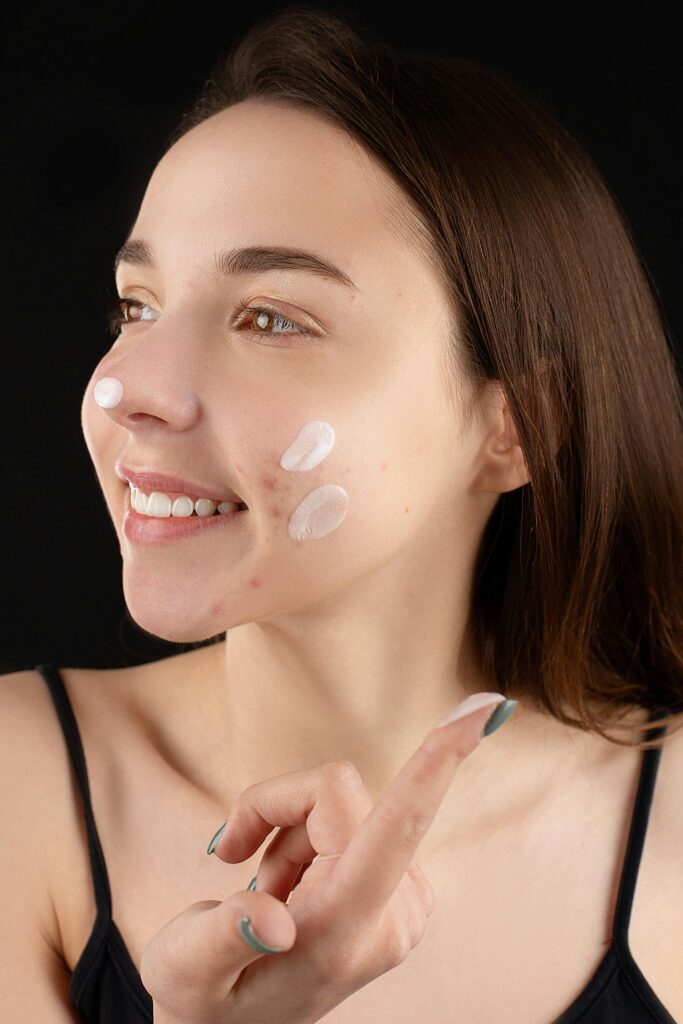
- Targeted Treatment (Morning & Night): This is where you use your active, acne-fighting ingredients. Apply a thin layer to the entire affected area, not just on individual spots.
- Lightweight Moisturizer (Morning & Night): This is a crucial step! Many acne treatments can be drying. A lightweight, oil-free, and non-comedogenic moisturizer will hydrate your skin and protect its barrier, preventing further irritation.
- Sunscreen (Morning): Many acne-fighting ingredients, especially retinoids, make your skin more sensitive to the sun. A broad-spectrum, non-comedogenic sunscreen with SPF 30 or higher is essential to protect your skin and prevent dark spots (post-inflammatory hyperpigmentation) from forming after a pimple heals.
The Best Skincare Ingredients for Treating Adult Acne
When choosing your treatment products, look for these proven, dermatologist-recommended ingredients.
1. Salicylic Acid (BHA)
This is an oil-soluble beta-hydroxy acid, which means it can penetrate deep into your pores to dissolve the mix of oil and dead skin cells that causes clogs. It’s excellent for treating blackheads and whiteheads.
2. Benzoyl Peroxide
This ingredient is a powerful antibacterial agent that works by killing the C. acnes bacteria on the skin that contributes to inflammatory acne (red, painful pimples). It’s very effective but can be drying, so it’s important to start with a low concentration (2.5% or 5%). To learn which of these two ingredients is right for you, read our detailed comparison: Salicylic Acid vs. Benzoyl Peroxide: Which is Right for Your Breakouts?
3. Retinoids (Vitamin A)
Retinoids, like over-the-counter adapalene or prescription tretinoin, are superstars for both acne and anti-aging. They work by accelerating cell turnover, which helps to keep pores from getting clogged. They also have anti-inflammatory properties.
4. Niacinamide (Vitamin B3)
This is a fantastic supporting ingredient. Niacinamide helps to regulate oil production, calm redness and inflammation, and strengthen the skin’s protective barrier, which can be compromised by harsh acne treatments.
Beyond Skincare: Lifestyle Habits That Make a Difference
As we often discuss in the context of The Wellness-Beauty Convergence, your daily habits play a huge role in your skin’s health.
- Diet: Some studies suggest a link between high-glycemic foods (like sugar and refined carbs) and acne. Focus on a balanced diet rich in whole foods.
- Stress Management: Incorporating stress-reducing activities like exercise, meditation, or yoga can help regulate the hormones that trigger breakouts.
- Hygiene: Be mindful of things that touch your face. Clean your phone screen regularly, wash your pillowcases frequently, and avoid touching your face throughout the day.
Dealing with the Aftermath: Fading Acne Scars
Once a breakout has healed, it can often leave behind a red or brown mark. This is called post-inflammatory hyperpigmentation (PIH) or erythema (PIE). Treating these marks is a key part of achieving a truly clear complexion. Learn how in our upcoming guide: Fading Acne Scars: Your Guide to a Clearer Complexion.
Frequently Asked Questions (FAQs)
Q1: What is the difference between adult acne and teen acne?
A: Teen acne is often widespread and caused by a surge of hormones during puberty. Adult acne is typically concentrated on the lower face (chin, jawline, and neck), is often more inflammatory and cystic, and is more persistent due to ongoing hormonal fluctuations and stress.
Q2: How long does it take for adult acne treatments to work?
A: Patience and consistency are key. It typically takes at least 6-8 weeks to start seeing a noticeable improvement from a new skincare routine. For significant clearing, it may take 3-4 months.
Q3: Can my makeup be causing my breakouts?
A: Yes. Look for makeup products labeled “non-comedogenic,” “non-acnegenic,” or “oil-free.” And just as importantly, make sure you are thoroughly removing all of your makeup every single night before bed.