Skincare

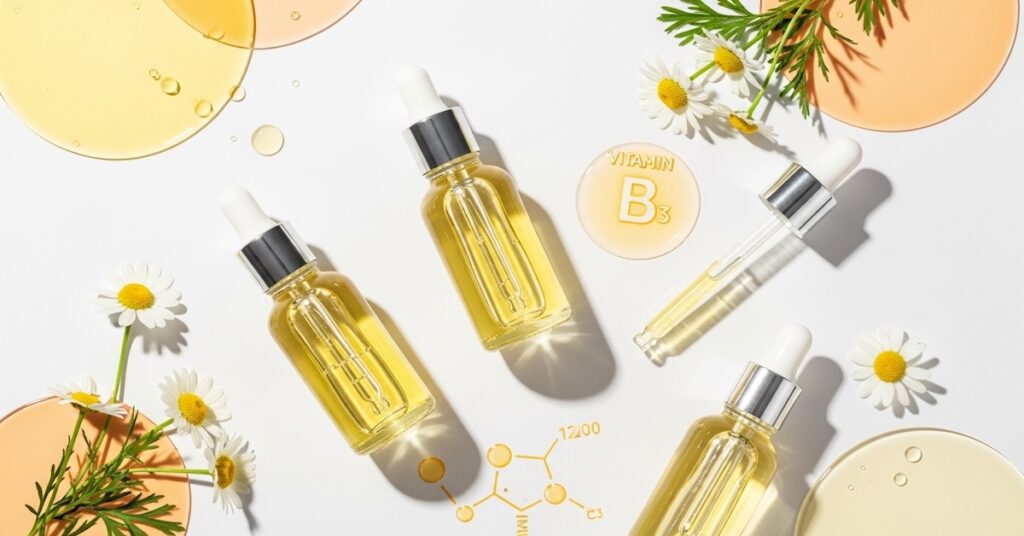
Best niacinamide serums for brightening, pore refinement, and even skin tone

Best Niacinamide Serums for Brightening and Pore Refinement

Last Updated: October 2024 Introduction: Why Niacinamide Is a Must-Have for Every Routine When it comes to versatile, multitasking skincare ingredients, niacinamide stands out as one of the most effective and well-tolerated actives available. Also known as vitamin B3, niacinamide has earned its reputation as a true skincare powerhouse, addressing multiple concerns simultaneously—from brightening dark […]

Best Niacinamide Serums for Brightening and Pore Refinement Read More »
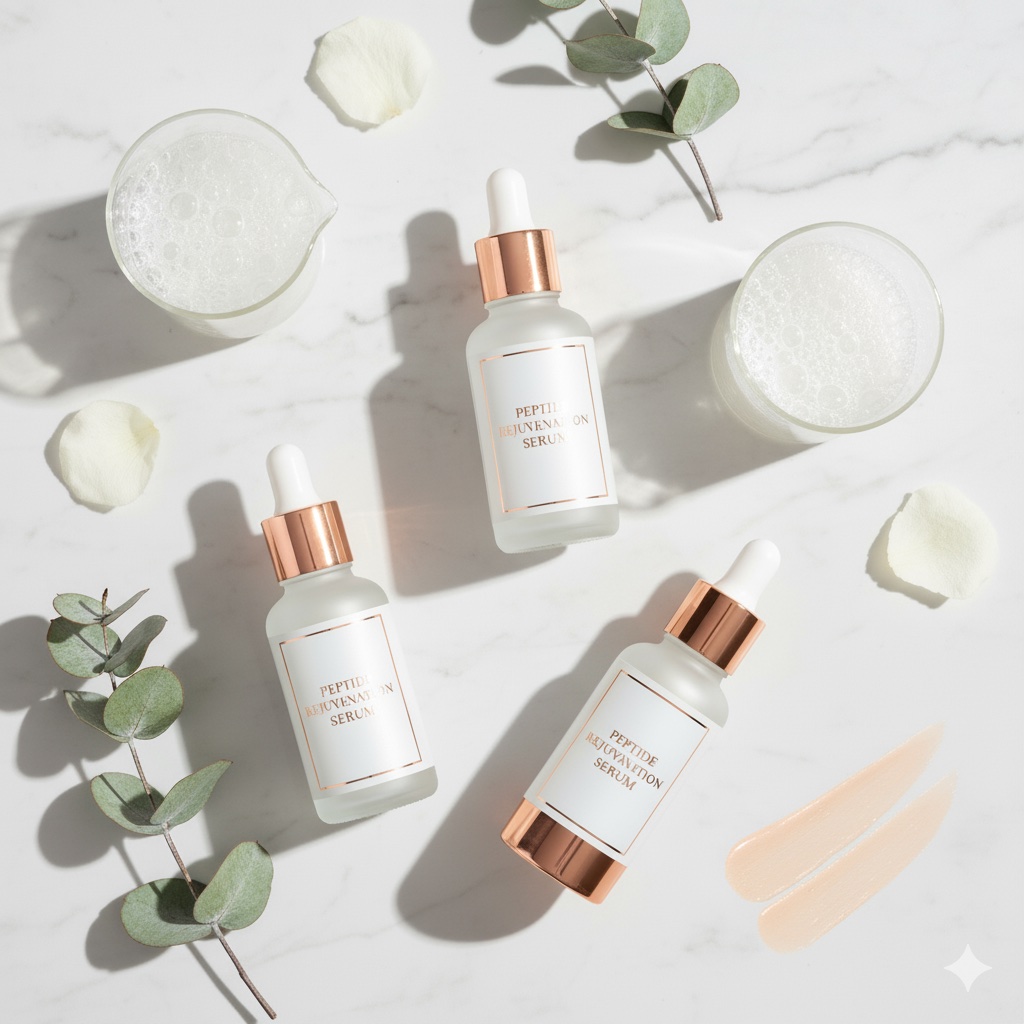
Best peptide serums for anti-aging and wrinkle reduction arranged on marble surface

Best Peptide Serums for Wrinkles and Firming

Last Updated: October 2024 Introduction: Why Peptides Are Essential for Anti-Aging When it comes to anti-aging skincare, peptides have emerged as one of the most scientifically-backed ingredients for reducing wrinkles and improving skin firmness. Unlike harsh treatments that can irritate sensitive skin, peptides work with your skin’s natural processes to stimulate collagen production and strengthen

Best Peptide Serums for Wrinkles and Firming Read More »

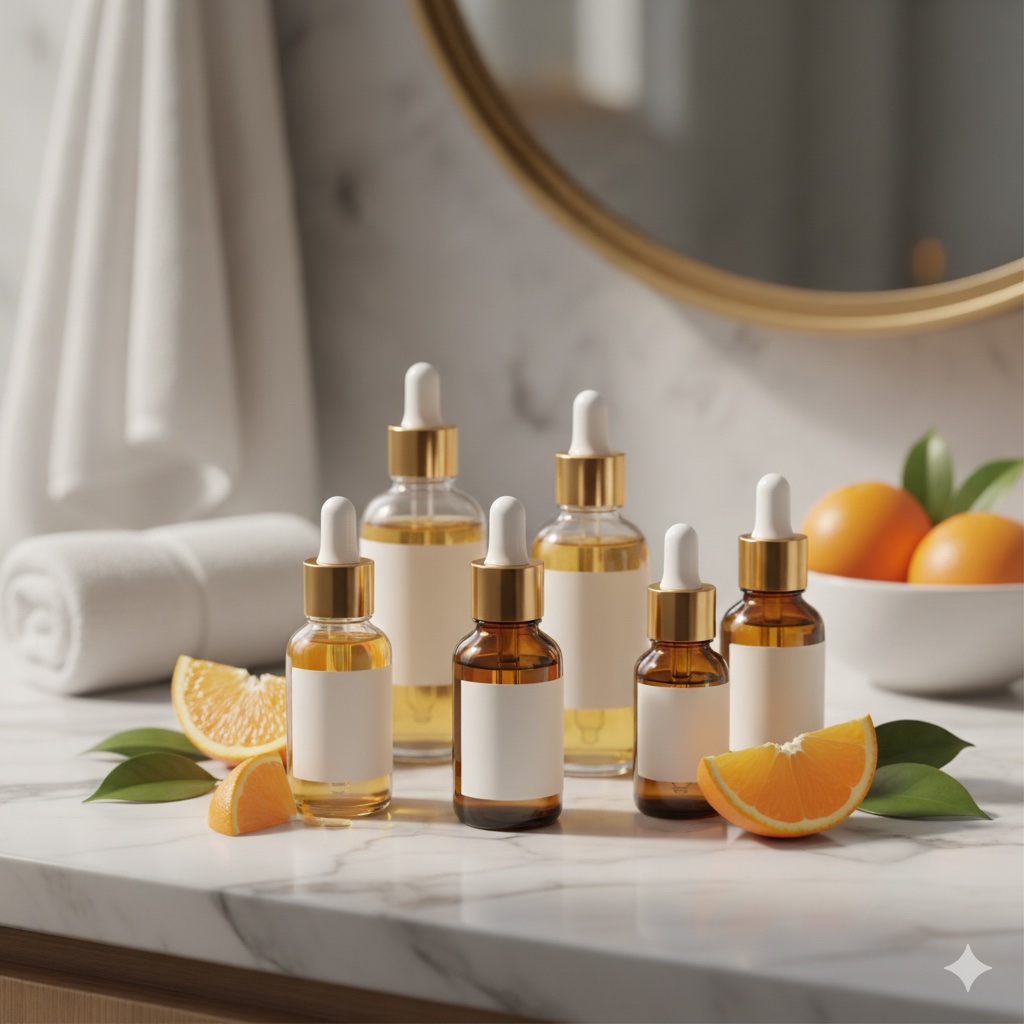
Multiple vitamin C serum bottles with gold droppers arranged with fresh orange slices

Best Vitamin C Serums: Complete Buyer’s Guide

Last Updated: October 2024 Vitamin C serums have earned their reputation as skincare superstars, and for good reason. This powerful antioxidant brightens dull skin, fades dark spots, boosts collagen production, and protects against environmental damage—making it one of the most versatile anti-aging ingredients available. But with hundreds of vitamin C serums flooding the market, how

Best Vitamin C Serums: Complete Buyer’s Guide Read More »

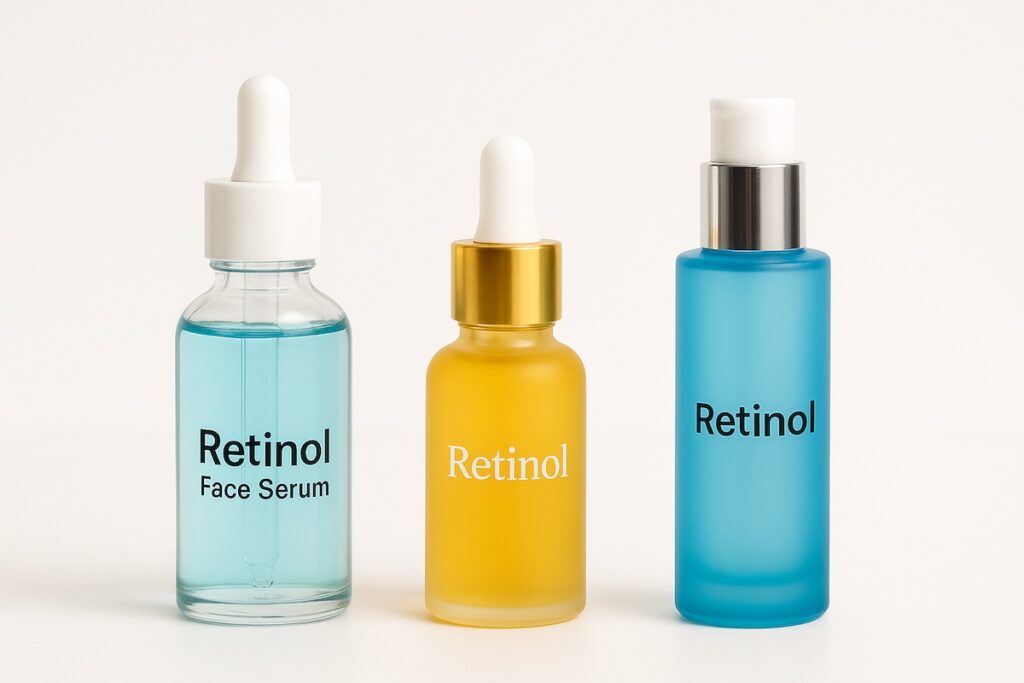
Three retinol serum bottles in blue and gold tones on a clean background, representing the best retinol serums for every skin type

Best Retinol Serums: Top Expert Picks for Every Skin Type

Last Updated:** October 2024 Introduction: Why Retinol is the Gold Standard for Skin Retinol remains the most scientifically proven anti-aging ingredient available without a prescription. With decades of research backing its effectiveness, retinol serums can reduce wrinkles by up to 50%, improve skin texture, fade hyperpigmentation, and even treat acne—making them the ultimate multi-tasking skincare

Best Retinol Serums: Top Expert Picks for Every Skin Type Read More »

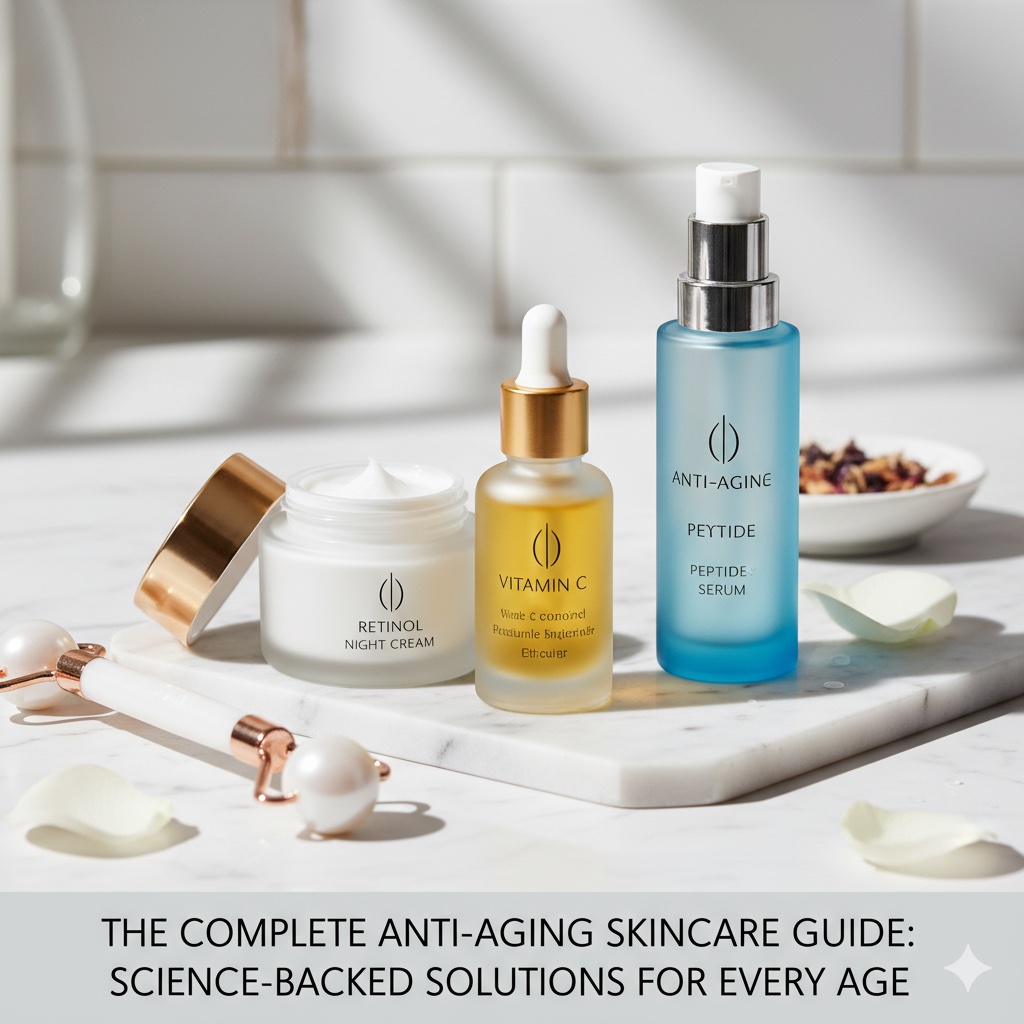
Luxurious anti-aging skincare products, including a Vitamin C serum, Retinol night cream, and Peptide serum, arranged on a white marble surface.

The Complete Anti-Aging Skincare Guide: Science-Backed Solutions for Every Age

Table of Contents Introduction: Why Anti-Aging Skincare Matters at Every Age Aging is inevitable, but premature aging is not. The visible signs of skin aging—fine lines, wrinkles, sagging skin, age spots, and loss of elasticity—can be significantly delayed and even reversed with the right skincare approach. Whether you’re in your 20s starting preventative care or

The Complete Anti-Aging Skincare Guide: Science-Backed Solutions for Every Age Read More »

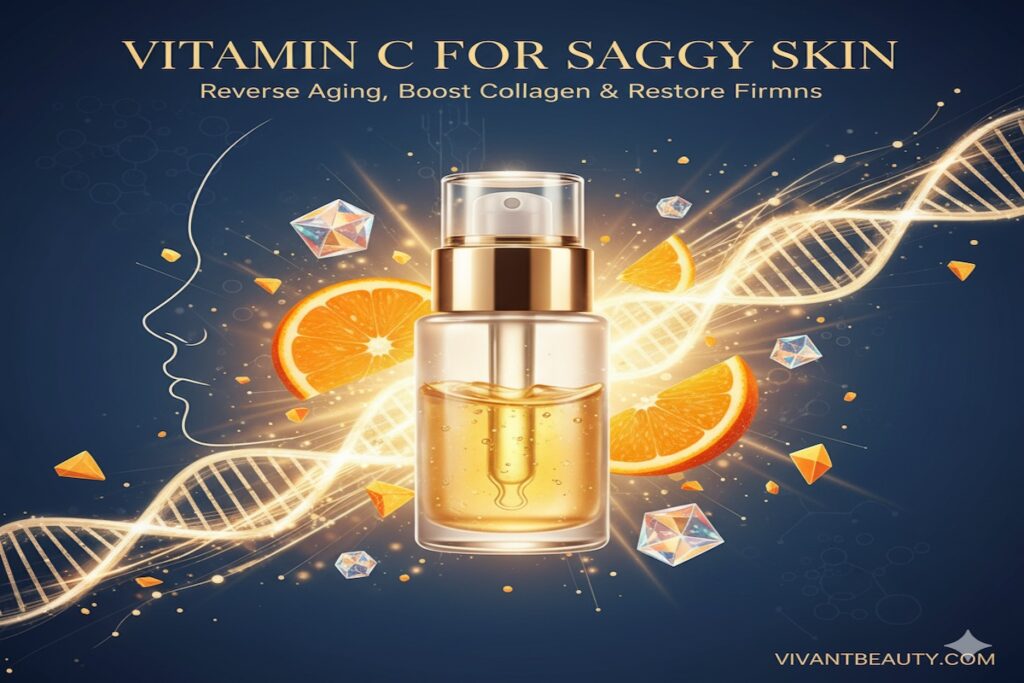
Diagram showing Vitamin C reversing saggy skin and boosting collagen production

New Research on How Vitamin C Reverse Saggy Skin and Boost Collagen

For decades, Vitamin C has been celebrated as skincare’s brightening hero — but new scientific insights show it may do much more. Research suggests that vitamin c reverse saggy skin effects are linked to its ability to strengthen collagen, fight oxidative stress, and restore elasticity. According to a review published in the journal Nutrients, Vitamin

New Research on How Vitamin C Reverse Saggy Skin and Boost Collagen Read More »

Abstract futuristic illustration representing an anti-aging skincare routine 2026 with DNA helix and molecular patterns

Anti-Aging Skincare Routine in 2026: Step-by-Step Guide

Building an anti-aging skincare routine 2026 is about balance — using what science already proves works, while embracing new innovations that make routines more gentle, sustainable, and results-driven. Instead of stacking endless products, the trend now is to keep it simple, consistent, and tailored to your skin’s needs. Here’s a step-by-step guide to help you

Anti-Aging Skincare Routine in 2026: Step-by-Step Guide Read More »

An abstract image of interlocking silver chains and a golden wave of light, symbolizing the comparison of Peptides vs Retinol.

Peptides vs Retinol: Which Is Better for Wrinkles in 2026?

Introduction When it comes to anti-aging skincare, few ingredients spark as much debate as Peptides vs Retinol. Retinol remains the gold standard for wrinkle reduction, while peptides have emerged as a gentler alternative that supports long-term skin health. But in 2026, which one truly deserves a spot in your skincare routine? Let’s compare. What Is

Peptides vs Retinol: Which Is Better for Wrinkles in 2026? Read More »

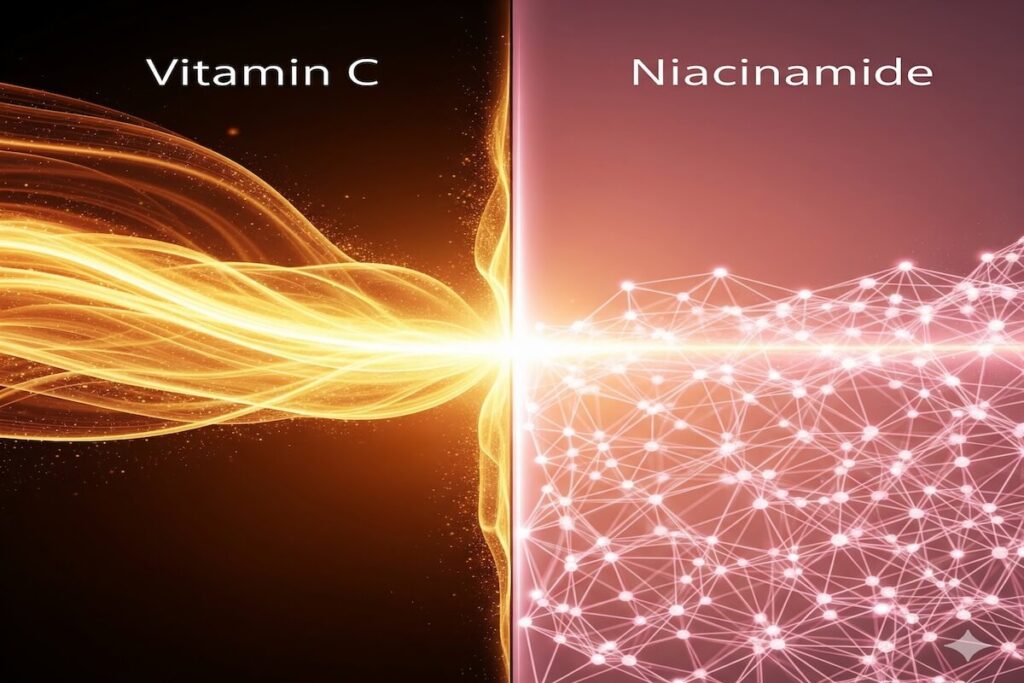
An abstract image split between an energetic golden light and a calm pink network, symbolizing the comparison of Vitamin C vs Niacinamide for skin brightening.

Vitamin C vs Niacinamide: Which Brightening Ingredient Should You Use in 2026?

What is Vitamin C? Vitamin C (ascorbic acid) is a powerful antioxidant that fights free radicals, brightens dull skin, and supports collagen production. It’s commonly used to fade dark spots, even out skin tone, and provide extra sun protection when paired with sunscreen. What is Niacinamide? Niacinamide, also known as Vitamin B3, is a versatile

Vitamin C vs Niacinamide: Which Brightening Ingredient Should You Use in 2026? Read More »

An abstract image of a white lattice structure filled with blue spheres, symbolizing the relationship between Collagen vs Hyaluronic Acid

Collagen vs Hyaluronic Acid: Best for Wrinkles & Hydrated Skin (2026)

Collagen vs Hyaluronic Acid is one of the biggest skincare debates in 2026. Both ingredients are widely used for youthful, healthy-looking skin, but they work in different ways — one focuses on hydration, the other on structure. What is Collagen? Collagen is the protein that gives skin its structure and firmness. As we age, collagen

Collagen vs Hyaluronic Acid: Best for Wrinkles & Hydrated Skin (2026) Read More »

An abstract image of a soft, petal-like surface gently enveloping a sharp crystal, symbolizing the gentle alternative in the Retinol vs Bakuchiol debate."

Retinol vs. Bakuchiol: Which Ingredient Is Better for Wrinkles, Acne & Sagging Skin in 2026?

Retinol is the dermatologist gold standard. Bakuchiol is the gentler, plant-based alternative. This guide compares retinol vs bakuchiol both so you can choose confidently. Quick picks (2026): Best Retinol Serums for Wrinkles Best Bakuchiol Serums for Sensitive Skin What Is Retinol? Retinol is a vitamin A derivative known for accelerating cell turnover and stimulating collagen,

Retinol vs. Bakuchiol: Which Ingredient Is Better for Wrinkles, Acne & Sagging Skin in 2026? Read More »

A macro image of water droplets held within a golden liquid, representing how squalene for skin locks in hydration and supports the skin barrier

Squalene for Skin: Hydration, Barrier Support, and How to Use It

Squalene, and its stable form squalane, is a lightweight oil that helps lock in hydration and strengthen the skin barrier. This guide explains what squalene is, how it differs from squalane, and why it’s suitable for dry and sensitive skin. Learn the key benefits, how to layer it with hydrators like hyaluronic acid and niacinamide, plus tips for safe daily use.

Squalene for Skin: Hydration, Barrier Support, and How to Use It Read More »

Glycolic acid for skin-Abstract image showing a rough, textured surface transforming into a smooth, glowing surface, representing the effects of exfoliation.

Glycolic Acid for Skin: Benefits, Risks, and How to Use It

Glycolic acid (an AHA) is a proven exfoliant that helps brighten dullness, smooth texture, and improve the look of fine lines. This guide explains what glycolic acid is, ideal strengths and frequency, how to layer it with hydrators like hyaluronic acid and barrier-friendly niacinamide, and important safety tips so you can get results without irritation.

Glycolic Acid for Skin: Benefits, Risks, and How to Use It Read More »